 John Adoyi, PBA Journalism Mentee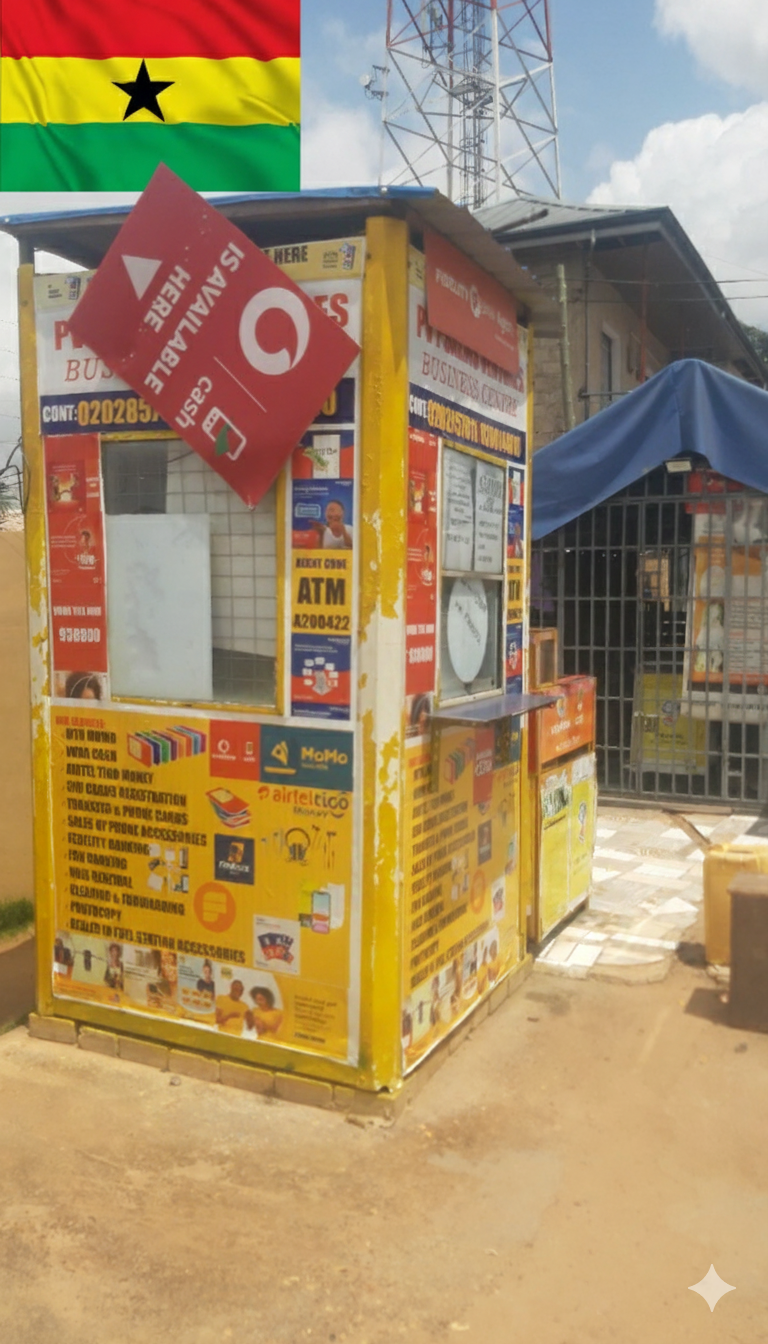
Ghana is experiencing an unprecedented surge in digital payments, with the total value of mobile-money transactions hitting GH¢3.6 trillion between January and October 2025, according to the latest data the Bank of Ghana has released. Using an average exchange rate of GH¢11.3 to the United States dollar over the period, that figure translates to approximately US$318 billion, highlighting mobile money’s increasingly central role in the country’s financial system.
The data, which telecommunications companies and payment service providers submitted, appeared after the central bank’s most recent Monetary Policy Committee meeting. It shows that mobile money is no longer a complementary channel to traditional banking in Ghana, but has become a primary infrastructure for everyday economic activity. The 2025 figure marks a sharp acceleration from previous years.
In the first ten months of 2024, transactions reached GH¢2.368 trillion, equivalent to about US$210 billion at current exchange levels. Over the same period in 2023, the total stood at GH¢1.367 trillion, or roughly US$121 billion. The sustained increase reflects rising adoption, more frequent use, and growing transaction values, indicating a fundamental shift in consumer and business payment behaviour.
Join our WhatsApp ChannelMonthly figures further highlight this momentum. Transactions in September 2025 totaled GH¢406 billion, before climbing to GH¢436 billion in October—one of the highest monthly totals since mobile-money services launched in the country. This consistent upward trend shows increasing reliance on mobile-based financial services by individuals, small and medium-sized businesses, and larger institutions alike.
By October 2025, Ghana recorded an estimated 79.1 million registered mobile-money accounts, of which 25.3 million were active. The sector relies on approximately 949,000 registered mobile-money agents nationwide, creating one of Africa’s most extensive financial-agent networks.
Within the first ten months of the year, the total number of mobile-money transactions rose to 893 million, while transfers between different mobile-money platforms, enabled through interoperability, reached about GH¢40 billion, or approximately US$3.5 billion.
Several factors are driving this remarkable growth. More consumers and businesses are abandoning cash and using mobile money for everyday transactions, including utility bills, school fees, merchant purchases, and salary payments. This behavioural shift has accelerated due to deliberate government and regulatory action. Over the past year, the Bank of Ghana has expanded its cash-lite agenda under its Digital Financial Services policy framework, while the national Mobile Money Interoperability system, operated by Ghana Interbank Payments and Settlement Systems, has enabled seamless transfers across networks and between mobile wallets and bank accounts. In addition, an increasing number of government institutions have adopted cashless-only payment systems, requiring citizens to use mobile money or approved digital platforms for official transactions. Together, these measures have entrenched mobile money as a mainstream payment rail for both the informal and formal sectors of the economy.
While the GH¢3.6 trillion headline figure is partly influenced by currency depreciation, the scale of activity remains significant even when converted into United States dollars. The value flowing through mobile-money platforms every month now runs into tens of billions of dollars, highlighting Ghana’s position as one of Africa’s most active and mature mobile-money markets. Beyond convenience, the system now drives commerce, enables financial access, and reshapes how money moves across the country.

John Adoyi, PBA Journalism Mentee
- John Adoyi, PBA Journalism Mentee
- John Adoyi, PBA Journalism Mentee
- John Adoyi, PBA Journalism Mentee
- John Adoyi, PBA Journalism Mentee
- John Adoyi, PBA Journalism Mentee
- John Adoyi, PBA Journalism Mentee
- John Adoyi, PBA Journalism Mentee
- John Adoyi, PBA Journalism Mentee
- John Adoyi, PBA Journalism Mentee
- John Adoyi, PBA Journalism Mentee
- John Adoyi, PBA Journalism Mentee
- John Adoyi, PBA Journalism Mentee
- John Adoyi, PBA Journalism Mentee
- John Adoyi, PBA Journalism Mentee
- John Adoyi, PBA Journalism Mentee
- John Adoyi, PBA Journalism Mentee
- John Adoyi, PBA Journalism Mentee
- John Adoyi, PBA Journalism Mentee
- John Adoyi, PBA Journalism Mentee
- John Adoyi, PBA Journalism Mentee
- John Adoyi, PBA Journalism Mentee
- John Adoyi, PBA Journalism Mentee
- John Adoyi, PBA Journalism Mentee
- John Adoyi, PBA Journalism Mentee
- John Adoyi, PBA Journalism Mentee
- John Adoyi, PBA Journalism Mentee
- John Adoyi, PBA Journalism Mentee
- John Adoyi, PBA Journalism Mentee
- John Adoyi, PBA Journalism Mentee
- John Adoyi, PBA Journalism Mentee
- John Adoyi, PBA Journalism Mentee
- John Adoyi, PBA Journalism Mentee
- John Adoyi, PBA Journalism Mentee
- John Adoyi, PBA Journalism Mentee
- John Adoyi, PBA Journalism Mentee
- John Adoyi, PBA Journalism Mentee
- John Adoyi, PBA Journalism Mentee
- John Adoyi, PBA Journalism Mentee
- John Adoyi, PBA Journalism Mentee
- John Adoyi, PBA Journalism Mentee
- John Adoyi, PBA Journalism Mentee
- John Adoyi, PBA Journalism Mentee
- John Adoyi, PBA Journalism Mentee
- John Adoyi, PBA Journalism Mentee
- John Adoyi, PBA Journalism Mentee
- John Adoyi, PBA Journalism Mentee
- John Adoyi, PBA Journalism Mentee
- John Adoyi, PBA Journalism Mentee
- John Adoyi, PBA Journalism Mentee
- John Adoyi, PBA Journalism Mentee
- John Adoyi, PBA Journalism Mentee
- John Adoyi, PBA Journalism Mentee
- John Adoyi, PBA Journalism Mentee
- John Adoyi, PBA Journalism Mentee
- John Adoyi, PBA Journalism Mentee
- John Adoyi, PBA Journalism Mentee
- John Adoyi, PBA Journalism Mentee
- John Adoyi, PBA Journalism Mentee
- John Adoyi, PBA Journalism Mentee
- John Adoyi, PBA Journalism Mentee
- John Adoyi, PBA Journalism Mentee
- John Adoyi, PBA Journalism Mentee
- John Adoyi, PBA Journalism Mentee
- John Adoyi, PBA Journalism Mentee
- John Adoyi, PBA Journalism Mentee
- John Adoyi, PBA Journalism Mentee
- John Adoyi, PBA Journalism Mentee
- John Adoyi, PBA Journalism Mentee
- John Adoyi, PBA Journalism Mentee
- John Adoyi, PBA Journalism Mentee
- John Adoyi, PBA Journalism Mentee
- John Adoyi, PBA Journalism Mentee
- John Adoyi, PBA Journalism Mentee
- John Adoyi, PBA Journalism Mentee
- John Adoyi, PBA Journalism Mentee
- John Adoyi, PBA Journalism Mentee
- John Adoyi, PBA Journalism Mentee
- John Adoyi, PBA Journalism Mentee
- John Adoyi, PBA Journalism Mentee
- John Adoyi, PBA Journalism Mentee
- John Adoyi, PBA Journalism Mentee
- John Adoyi, PBA Journalism Mentee
- John Adoyi, PBA Journalism Mentee
- John Adoyi, PBA Journalism Mentee
- John Adoyi, PBA Journalism Mentee
- John Adoyi, PBA Journalism Mentee
- John Adoyi, PBA Journalism Mentee
- John Adoyi, PBA Journalism Mentee
- John Adoyi, PBA Journalism Mentee
- John Adoyi, PBA Journalism Mentee
- John Adoyi, PBA Journalism Mentee
- John Adoyi, PBA Journalism Mentee
- John Adoyi, PBA Journalism Mentee
- John Adoyi, PBA Journalism Mentee
- John Adoyi, PBA Journalism Mentee
- John Adoyi, PBA Journalism Mentee
- John Adoyi, PBA Journalism Mentee
- John Adoyi, PBA Journalism Mentee
- John Adoyi, PBA Journalism Mentee
- John Adoyi, PBA Journalism Mentee
- John Adoyi, PBA Journalism Mentee
- John Adoyi, PBA Journalism Mentee
- John Adoyi, PBA Journalism Mentee
- John Adoyi, PBA Journalism Mentee
- John Adoyi, PBA Journalism Mentee
- John Adoyi, PBA Journalism Mentee
- John Adoyi, PBA Journalism Mentee
- John Adoyi, PBA Journalism Mentee
- John Adoyi, PBA Journalism Mentee
- John Adoyi, PBA Journalism Mentee
- John Adoyi, PBA Journalism Mentee
- John Adoyi, PBA Journalism Mentee
- John Adoyi, PBA Journalism Mentee
- John Adoyi, PBA Journalism Mentee
- John Adoyi, PBA Journalism Mentee
- John Adoyi, PBA Journalism Mentee
- John Adoyi, PBA Journalism Mentee
- John Adoyi, PBA Journalism Mentee
- John Adoyi, PBA Journalism Mentee
- John Adoyi, PBA Journalism Mentee
- John Adoyi, PBA Journalism Mentee
- John Adoyi, PBA Journalism Mentee
- John Adoyi, PBA Journalism Mentee
- John Adoyi, PBA Journalism Mentee
- John Adoyi, PBA Journalism Mentee
- John Adoyi, PBA Journalism Mentee
- John Adoyi, PBA Journalism Mentee
- John Adoyi, PBA Journalism Mentee
- John Adoyi, PBA Journalism Mentee
- John Adoyi, PBA Journalism Mentee
- John Adoyi, PBA Journalism Mentee
- John Adoyi, PBA Journalism Mentee
- John Adoyi, PBA Journalism Mentee
- John Adoyi, PBA Journalism Mentee
- John Adoyi, PBA Journalism Mentee
- John Adoyi, PBA Journalism Mentee
- John Adoyi, PBA Journalism Mentee
- John Adoyi, PBA Journalism Mentee
- John Adoyi, PBA Journalism Mentee
- John Adoyi, PBA Journalism Mentee
- John Adoyi, PBA Journalism Mentee
- John Adoyi, PBA Journalism Mentee
- John Adoyi, PBA Journalism Mentee
- John Adoyi, PBA Journalism Mentee
- John Adoyi, PBA Journalism Mentee
- John Adoyi, PBA Journalism Mentee
- John Adoyi, PBA Journalism Mentee
- John Adoyi, PBA Journalism Mentee
- John Adoyi, PBA Journalism Mentee
- John Adoyi, PBA Journalism Mentee
- John Adoyi, PBA Journalism Mentee
- John Adoyi, PBA Journalism Mentee
- John Adoyi, PBA Journalism Mentee
- John Adoyi, PBA Journalism Mentee
- John Adoyi, PBA Journalism Mentee
- John Adoyi, PBA Journalism Mentee
- John Adoyi, PBA Journalism Mentee
- John Adoyi, PBA Journalism Mentee
- John Adoyi, PBA Journalism Mentee
- John Adoyi, PBA Journalism Mentee
- John Adoyi, PBA Journalism Mentee
- John Adoyi, PBA Journalism Mentee
- John Adoyi, PBA Journalism Mentee
- John Adoyi, PBA Journalism Mentee
- John Adoyi, PBA Journalism Mentee
- John Adoyi, PBA Journalism Mentee
- John Adoyi, PBA Journalism Mentee
- John Adoyi, PBA Journalism Mentee
- John Adoyi, PBA Journalism Mentee
- John Adoyi, PBA Journalism Mentee
- John Adoyi, PBA Journalism Mentee
- John Adoyi, PBA Journalism Mentee
- John Adoyi, PBA Journalism Mentee
- John Adoyi, PBA Journalism Mentee
- John Adoyi, PBA Journalism Mentee
- John Adoyi, PBA Journalism Mentee
- John Adoyi, PBA Journalism Mentee
- John Adoyi, PBA Journalism Mentee
- John Adoyi, PBA Journalism Mentee
- John Adoyi, PBA Journalism Mentee
- John Adoyi, PBA Journalism Mentee
- John Adoyi, PBA Journalism Mentee
- John Adoyi, PBA Journalism Mentee
- John Adoyi, PBA Journalism Mentee
- John Adoyi, PBA Journalism Mentee
- John Adoyi, PBA Journalism Mentee
- John Adoyi, PBA Journalism Mentee
- John Adoyi, PBA Journalism Mentee
- John Adoyi, PBA Journalism Mentee
- John Adoyi, PBA Journalism Mentee
- John Adoyi, PBA Journalism Mentee
- John Adoyi, PBA Journalism Mentee
- John Adoyi, PBA Journalism Mentee
- John Adoyi, PBA Journalism Mentee
- John Adoyi, PBA Journalism Mentee
- John Adoyi, PBA Journalism Mentee
- John Adoyi, PBA Journalism Mentee
- John Adoyi, PBA Journalism Mentee
- John Adoyi, PBA Journalism Mentee
- John Adoyi, PBA Journalism Mentee
- John Adoyi, PBA Journalism Mentee
- John Adoyi, PBA Journalism Mentee
- John Adoyi, PBA Journalism Mentee
- John Adoyi, PBA Journalism Mentee
- John Adoyi, PBA Journalism Mentee
- John Adoyi, PBA Journalism Mentee
- John Adoyi, PBA Journalism Mentee
- John Adoyi, PBA Journalism Mentee
- John Adoyi, PBA Journalism Mentee
- John Adoyi, PBA Journalism Mentee
- John Adoyi, PBA Journalism Mentee
- John Adoyi, PBA Journalism Mentee
- John Adoyi, PBA Journalism Mentee
- John Adoyi, PBA Journalism Mentee
- John Adoyi, PBA Journalism Mentee
- John Adoyi, PBA Journalism Mentee
- John Adoyi, PBA Journalism Mentee
- John Adoyi, PBA Journalism Mentee
- John Adoyi, PBA Journalism Mentee
- John Adoyi, PBA Journalism Mentee
- John Adoyi, PBA Journalism Mentee
- John Adoyi, PBA Journalism Mentee
- John Adoyi, PBA Journalism Mentee
- John Adoyi, PBA Journalism Mentee
- John Adoyi, PBA Journalism Mentee
- John Adoyi, PBA Journalism Mentee
- John Adoyi, PBA Journalism Mentee
- John Adoyi, PBA Journalism Mentee
- John Adoyi, PBA Journalism Mentee
- John Adoyi, PBA Journalism Mentee
- John Adoyi, PBA Journalism Mentee
- John Adoyi, PBA Journalism Mentee
- John Adoyi, PBA Journalism Mentee
- John Adoyi, PBA Journalism Mentee
- John Adoyi, PBA Journalism Mentee
- John Adoyi, PBA Journalism Mentee
- John Adoyi, PBA Journalism Mentee
- John Adoyi, PBA Journalism Mentee
- John Adoyi, PBA Journalism Mentee
- John Adoyi, PBA Journalism Mentee
- John Adoyi, PBA Journalism Mentee
- John Adoyi, PBA Journalism Mentee
- John Adoyi, PBA Journalism Mentee
- John Adoyi, PBA Journalism Mentee
- John Adoyi, PBA Journalism Mentee
- John Adoyi, PBA Journalism Mentee
- John Adoyi, PBA Journalism Mentee
- John Adoyi, PBA Journalism Mentee
- John Adoyi, PBA Journalism Mentee
- John Adoyi, PBA Journalism Mentee
- John Adoyi, PBA Journalism Mentee
- John Adoyi, PBA Journalism Mentee
- John Adoyi, PBA Journalism Mentee
- John Adoyi, PBA Journalism Mentee
- John Adoyi, PBA Journalism Mentee
- John Adoyi, PBA Journalism Mentee
- John Adoyi, PBA Journalism Mentee
- John Adoyi, PBA Journalism Mentee
- John Adoyi, PBA Journalism Mentee
- John Adoyi, PBA Journalism Mentee
- John Adoyi, PBA Journalism Mentee
- John Adoyi, PBA Journalism Mentee
- John Adoyi, PBA Journalism Mentee
- John Adoyi, PBA Journalism Mentee
- John Adoyi, PBA Journalism Mentee