 Prosper Okoye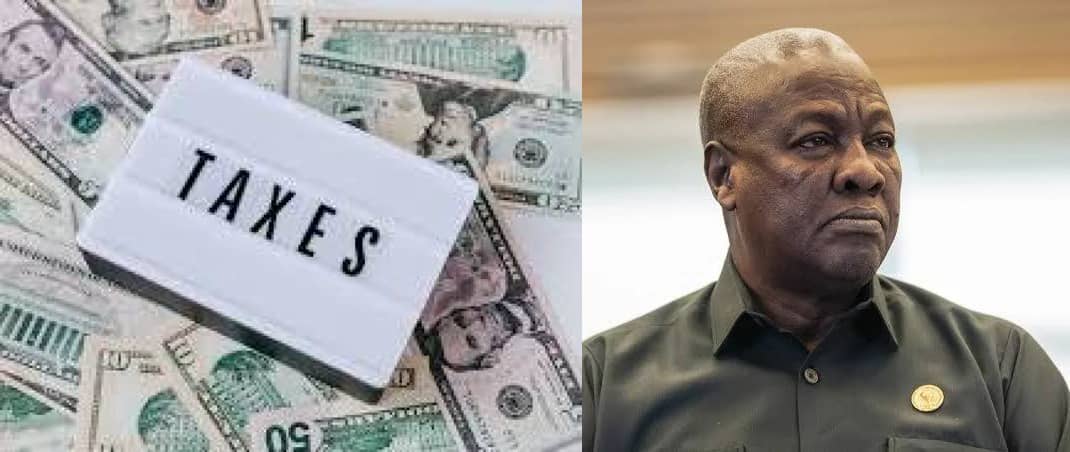
Ghana’s president is set to become liable for personal income tax on his salary and allowances for the first time, under proposals that would align the country with a small number of African states where presidential pay is taxed.
The recommendation comes from the Constitutional Review Consultative Committee (CRCC), which has proposed ending the long-standing tax exemption on the president’s salary and emoluments. The committee says the move is aimed at setting an example for citizens, reinforcing equality before the law and strengthening adherence to the rule of law.
Across Africa, the taxation of presidential pay varies widely. In South Africa, the president is subject to the standard personal income tax regime. By contrast, the constitutions of Ghana and Sierra Leone explicitly exempt presidential salaries from tax. In many other African countries, the position is unclear, often depending on national laws that are not easily accessible to the public.
Join our WhatsApp ChannelIn Ghana, the proposal has triggered mixed reactions. Supporters argue that taxing the president would encourage wider tax compliance and help rebuild public confidence in governance.
READ ALSO: Ghana Authorities Remain Silent Days After Ex-Minister’s Arrest in US
“They take major decisions that affect the lives of ordinary people, so they should also feel the same financial pressures we face every day,” said Desmond Oti, who added that the measure should be extended to ministers and members of parliament.
“The President works for the country and earns a salary like any other worker, so he should also pay taxes. No one should be above the law,” said Rachel Owusu, a graduate student at the University of Media, Arts and Communication (UniMAC–IJ). She said the change would strengthen trust between citizens and the state.
For others, the proposal addresses a long-standing sense of unfairness, particularly among workers in the informal sector.
“If the President pays taxes, people will see that the law applies to everyone,” said Abigail Darley Bortey, a trader. “It will encourage voluntary compliance.”
However, some Ghanaians believe the presidency is a unique office that should retain certain privileges.
“The President gives up his private life to serve the nation around the clock,” said Samuel Addo. “A tax-free salary is a modest way of recognising the weight of that responsibility.”
The CRCC’s recommendations are still under review. If adopted, the reform would represent a major shift in Ghana’s approach to executive accountability, placing the president under the same tax obligations as ordinary salaried workers.

- Editor
- Editor
- Editor
- Editor
- Editor