Prime Business Africa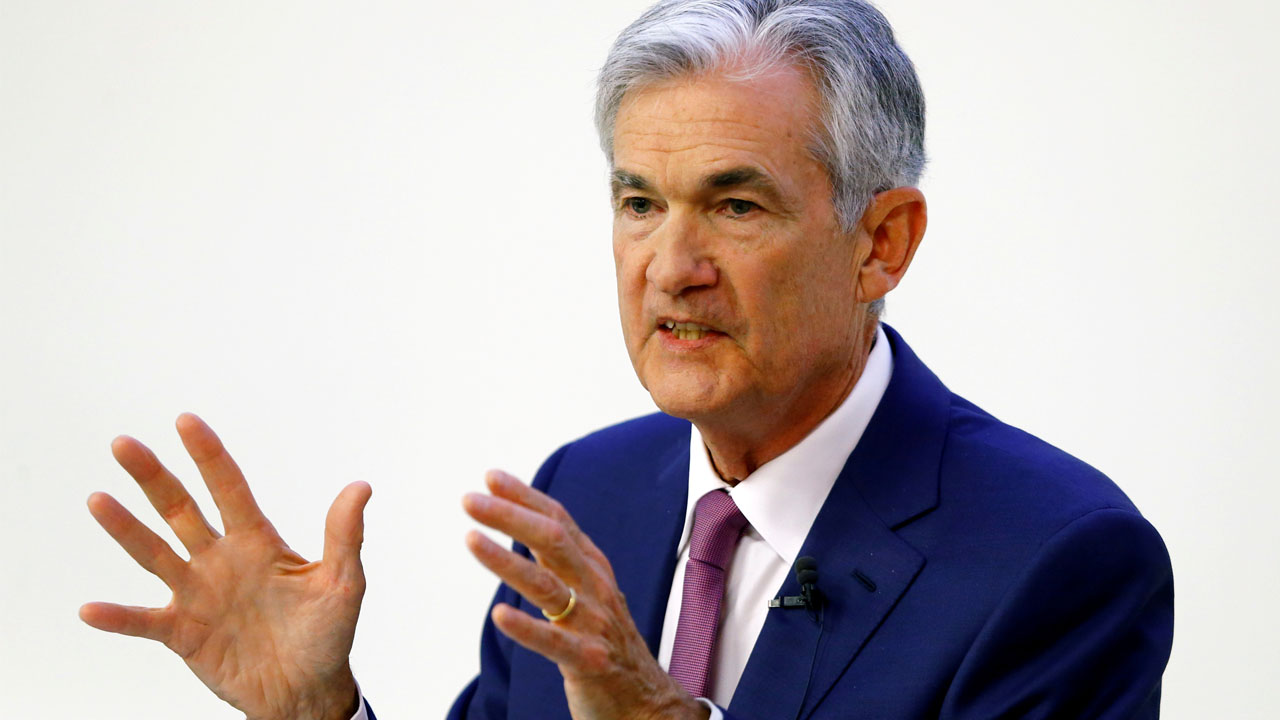
By Ahmad Assiri
US equity session unfolded with a sense of cautious optimism as risk appetite gradually returned. Remarks of easing trade tensions, coupled with indications from the Fed that the pace of quantitative tightening could soon slow, provided somehow support to sentiment. SPX climbed 0.4% and the Nasdaq 100 added 0.7%, driven by gains in tech though still below last week’s highs. The quick rebound in equities clearly underscores resilience despite the prevailing political and economic uncertainty.
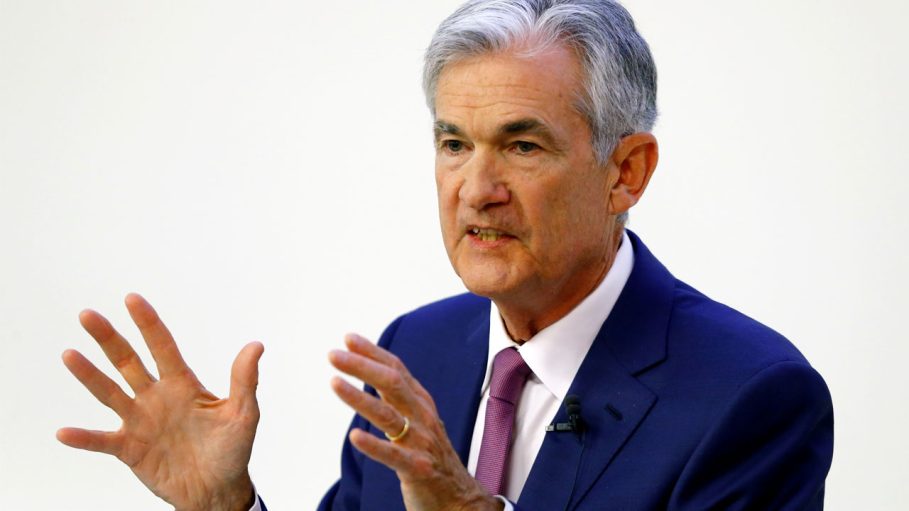
Jerome Powell remarks about QT has attracted a fair bit of attention. The Fed’s total holdings of Treasuries and mortgage-backed securities are now nearing 21% of US GDP, a level broadly viewed as neutral based on the cycle before the pandemic. This signals that the Fed may be nearing the end of its quantitative tightening, reassuring investors that liquidity conditions are unlikely to tighten further.
The monetary environment is thus tilting toward greater flexibility, which explains the resilience of US indices even as Washington grapples with an ongoing government funding standoff. The political impasse has shown little progress, yet markets appear largely unfazed, treating it as a temporary disruption that will ultimately resolve, as seen in past shutdowns. However, the absence of key economic data, nonfarm payrolls and soon to be the CPI report as well ahead of the FOMC later in the month, leaves investors navigating short-term uncertainty without hard data.
Join our WhatsApp ChannelIn fixed income market, treasury yields held steady with a slight downward bias at the long end. The 10-year yield slipped marginally amid renewed demand as trade frictions stayed resurfaced and China appeared to regain strategic leverage through its near-dominance of rare earth minerals.
READ ALSO: Gold Extends Record Run as Trade Tensions, Fed Outlook Boost Safe-Haven Demand
The DXY continued to trade within a tight range between 98 and 99, balanced between a modest recovery in the yen and a similar stabilization in the Euro. The Japanese yen regained some strength after recent weakness, supported by new government spending targets aimed at accelerating growth, which has reduced near-term prospects of another rate hike. Yet internal divisions persist within the Bank of Japan. Board member Tamura, who previously voted in favor of higher rates, suggested that the neutral rate could be above 1%, roughly twice the current 0.5%. Tamura argued that sustainable growth can be achieved without relying on the current policy accommodation. A smooth normalization, however, appears uncertain, particularly with the incoming government known for favoring expansive fiscal policies.
In commodities, gold extended its remarkable rally, trading north $4235 per ounce after breaking above the 4200 thresholds sustaining strong early-session bid. The metal is experiencing one of its most stable bull runs in years, powered by a softer dollar and expectations of rate cuts. Over the past month, gold has surged 15% with shallow pullbacks of less than 2%, signaling robust and one of a kind wide demand from both institutional and retail investors. It has increasingly become a core component of diversified portfolios, particularly as concerns mount over elevated US equity valuations and growing chatter about a potential tech bubble. While such fears may be overstated, the perception alone continues to support gold as an anchor for such anxieties. A short-term pullback would appear healthy, but the broader trend remains firmly upward.
Oil prices were little changed near $62 a barrel after a slight dip, reflecting persistent worries about global demand. OPEC+’s decision to raise output also weighed on sentiment, though the move is likely to reflect internal realignment and efforts to secure greater market share ahead of an expected shale rebound. While this strategy may exert near-term pressure on prices, it reinforces the alliance’s intention to preserve longer-term market stability. Major producers such as Saudi Arabia is feeling the heat of the current price levels, prompting fiscal caution after recent reports outlining projected budget deficits over the next three years. Nonetheless, the kingdom’s fiscal position remains among the strong, maintaining a manageable balance between deficit and debt.
In Australia, labor market data disappointed as the unemployment rate climbed to 4.5% in September, the highest since 2021. The softening employment backdrop has revived expectations that the RBA may consider cutting rates further to support growth. The Australian dollar weakened against major peers, though the broader economic outlook for the continent remains constructive.
Overall, markets are navigating a new phase of rebalancing that blends temporary stability in trade dynamics with lingering valuation risks in equities. Gold continues to shine as a preferred shiny metal, oil trades within a narrow but cautious band and the dollar oscillates in a tight range as investors weigh policy and positioning.
Ahmad Assiri, a Research Strategist at Pepperstone, wrote in from Dubai, UAE