 Amanze Chinonye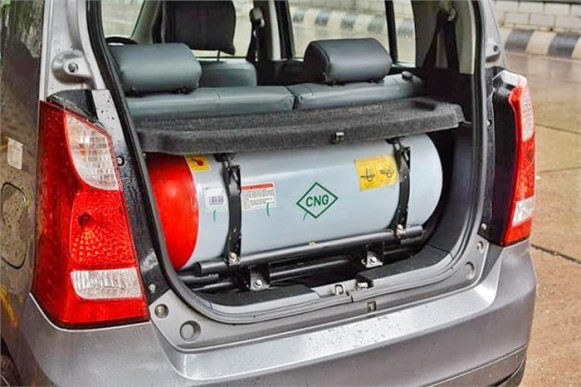
Nigeria’s government on Thursday reached its target date for further transport fare reductions on selected routes using compressed natural gas (CNG) and electric vehicles, putting its pledge to ease commuting costs to an early test, Prime Business Africa reports.
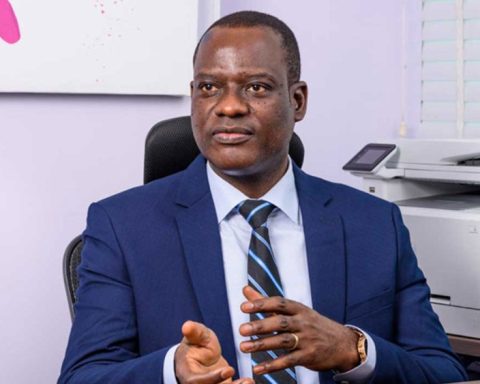
Ismaeel Ahmed, executive chairman of the Presidential Initiative on Compressed Natural Gas and Electric Vehicles (Pi-CNG & EV), said on Wednesday that fare reductions were already in effect on some routes, with further cuts expected from Oct. 1.
Join our WhatsApp Channel“What we are going to be seeing, starting tomorrow (October 1, 2026), is hopefully a reduction of transport fares in certain routes,” Ahmed said, citing the Gwagwalada-Abuja route, where he said CNG bus passengers could pay about 40% less than conventional fares.
READ ALSO :
CNG Will Save N2trn Monthly Spending On Petrol, Diesel – Tinubu
Ahmed said more than 120,000 vehicles had been converted to CNG, although the agency was still compiling the data. A separate programme involving 100,000 conversion kits announced in March was also almost complete, he said.
Kano, which Ahmed said had no CNG refuelling station a year ago, now has 10 stations. Tinubu has also called for 500 additional CNG stations, which would bring the planned government-backed network to 1,000 nationwide.
The Presidency has reported lower fares on some routes following the deployment of alternative-energy buses. In Abuja, it said fares on the Area 1-Gwagwalada route fell from 1,500 naira to 900 naira, while fares on the Lagos-Ibadan corridor fell from about 8,000 naira to 3,200 naira after the introduction of CNG buses.
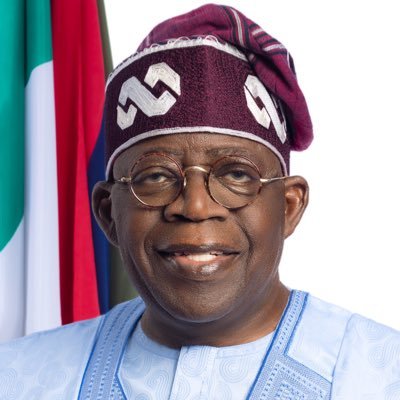
President Bola Tinubu on Sept. 19 directed states to accelerate implementation of the National Affordable CNG Transit Programme and established an implementation committee under the Nigeria Governors’ Forum, chaired by Kwara State Governor AbdulRahman AbdulRazaq.
READ MORE :
Tinubu’s Choice: Fuel The Nation’s Suffering Or Convert To CNG?
The Oct. 1 target puts the focus on whether lower fuel costs can be consistently passed on to passengers across a transport system largely operated by private businesses.
The scale and sustainability of fare reductions will depend on the availability of converted vehicles, CNG supply and refuelling infrastructure, as well as cooperation between state governments and transport operators.
Nigeria’s National Bureau of Statistics reported an average urban bus fare of 1,431.25 naira in May, while the average intercity bus fare was 9,699.55 naira. The impact on passenger costs will now provide a key measure of whether the government’s CNG and electric-mobility push is translating into more affordable transport.

Amanze Chinonye is a Staff Correspondent at Prime Business Africa, a rising star in the literary world, weaving captivating stories that transport readers to the vibrant landscapes of Nigeria and the rest of Africa. With a unique voice that blends with the newspaper's tradition and style, Chinonye's writing is a masterful exploration of the human condition, delving into themes of identity, culture, and social justice. Through her words, Chinonye paints vivid portraits of everyday African life, from the bustling markets of Nigeria's Lagos to the quiet villages of South Africa's countryside . With a keen eye for detail and a deep understanding of the complexities of Nigerian society, Chinonye's writing is both a testament to the country's rich cultural heritage and a powerful call to action for a brighter future. As a writer, Chinonye is a true storyteller, using her dexterity to educate, inspire, and uplift readers around the world.