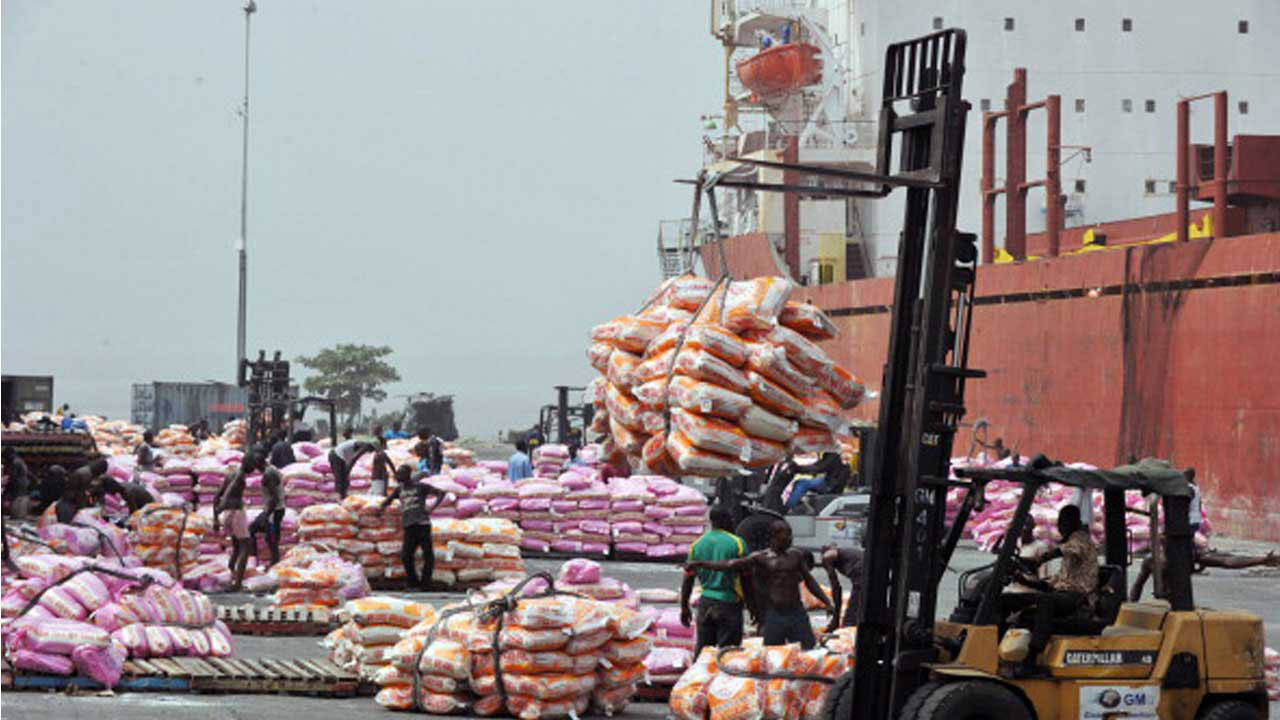
A fleet of 21 vessels carrying petroleum products and essential food commodities is currently discharging at Nigeria’s Lagos ports, as authorities and economists watch to see if improved supply will ease the cost of living in Africa’s most populous nation.
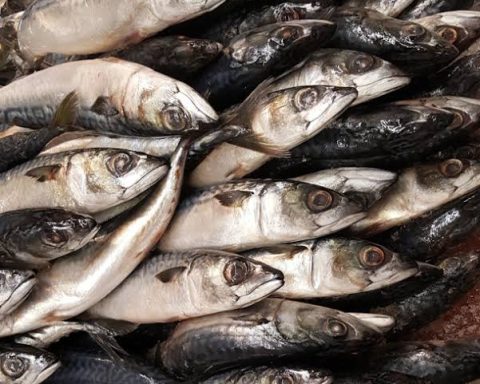
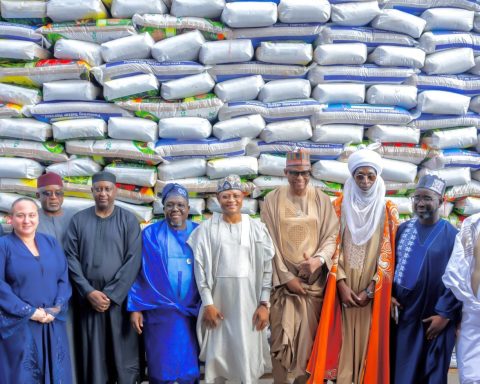
The Nigerian Ports Authority (NPA) said in its latest “Shipping Position” update on Saturday that the ships were unloading cargo at Apapa, Lekki and Tin-Can Island ports, including bulk wheat, sugar, soya bean oil, fresh fish and other foodstuffs, alongside fuel products such as petrol, diesel and aviation fuel.
In addition, 41 more vessels laden with fuel, food items and general cargo are expected to arrive between February 28 and March 7, the NPA said.
Join our WhatsApp ChannelNigeria relies heavily on imported food staples such as wheat, with imports of such products having surged in recent years as domestic production struggles to keep pace with demand.
Policy makers have pointed to increased imports and improvements in supply chains as factors helping to moderate inflation. Official data show headline inflation has eased in recent months, driven in part by slower growth in food prices, even though many Nigerians still face high costs for basic staples in local markets.
Economists say that while a strong flow of imported goods into ports can help stabilise market supplies, the effect on consumer prices is often delayed because of distribution bottlenecks, transport costs and other structural challenges in the economy.
“Clearance at ports is only the first step,” said an economist based in Lagos, speaking on condition of anonymity. “Persistent high food prices in markets reflect broader supply chain and production issues that imports alone cannot fix.”
READ ALSO:
U.S. Officially Withdraws from WHO, Leaves $260m in Unpaid Dues as Agency Faces Deep Cuts
Contractors Block Finance Ministry Over Unpaid ₦4tn Debt
ASUU Strike Looms As Union Rejects FG’s Loan Scheme, Demands Unpaid Salaries, 2009 Agreement
Nigeria has been working to boost local food production and address insecurity in key agricultural zones, but analysts say imported food will remain a major part of the country’s supply chain until domestic output improves significantly.

Prosper Okoye is a Correspondent and Research Writer at Prime Business Africa, a Nigerian journalist with experience in development reporting, public affairs, and policy-focused storytelling across Africa