Amanze Chinonye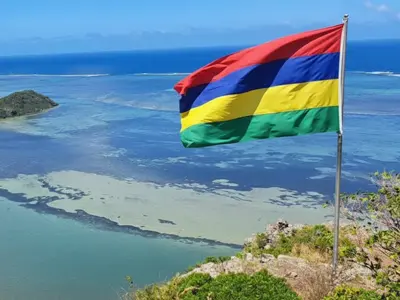
Mauritius lifted an overnight curfew on Wednesday after a police shooting intensified protests over water shortages and rising living costs, triggering violent clashes that authorities described as the island’s worst unrest since 1999.
Join our WhatsApp Channel
Police said on Wednesday that the situation was under control after demonstrators blocked roads with burning tyres and debris, clashed with security forces and damaged public buildings. The government had imposed movement restrictions across Port Louis and several other population centres as the unrest escalated.
READ ALSO :
DR Congo Police Disperse Protests over Proposed Constitutional Changes
Prime Minister Navin Ramgoolam announced the curfew on Tuesday, from 8:30 p.m. until 6 a.m. on Wednesday, and warned that people involved in violence and the destruction of property would face consequences. Police reported arrests but did not provide a total number of detainees.
The demonstrations intensified after a 27-year-old woman, identified in local reports as Élodie Thomas, was shot and wounded on October 9 while travelling home from work in Beau Bassin-Rose Hill, southwest of Port Louis. Health Minister Anil Bachoo said she underwent surgery to remove a bullet.
Police arrested the officer who fired the shot and suspended three other officers over their alleged failure to assist someone whose life was in danger. The national public prosecutor’s office said the investigation should also examine the involvement of paramilitary Special Mobile Force personnel who were present during the incident.
The unrest has drawn attention to deteriorating water supplies, a longstanding source of public frustration. Government figures showed that the country’s main reservoirs were 57.1% full on October 8, compared with 87.4% a year earlier. The Mare aux Vacoas reservoir, an important source of drinking water, stood at 35.7%.
The government has announced emergency steps to increase supplies, including the drilling of nine boreholes expected to provide an additional 30,000 cubic metres of water before the end of October. Officials have also outlined plans to transfer water between reservoirs and treatment facilities and expand tanker deliveries to communities facing shortages.
The violence is being compared with the 1999 riots, which followed the death of popular musician Kaya in police custody and triggered several days of unrest. The latest disturbances have disrupted schools and public transport in a country whose economy depends heavily on tourism and financial services.
The lifting of the curfew and the police assessment that order had been restored marked a pause in the immediate crisis, but the water shortages and questions surrounding the police shooting remain central issues for the authorities.

Amanze Chinonye is a Staff Correspondent at Prime Business Africa, a rising star in the literary world, weaving captivating stories that transport readers to the vibrant landscapes of Nigeria and the rest of Africa. With a unique voice that blends with the newspaper's tradition and style, Chinonye's writing is a masterful exploration of the human condition, delving into themes of identity, culture, and social justice. Through her words, Chinonye paints vivid portraits of everyday African life, from the bustling markets of Nigeria's Lagos to the quiet villages of South Africa's countryside . With a keen eye for detail and a deep understanding of the complexities of Nigerian society, Chinonye's writing is both a testament to the country's rich cultural heritage and a powerful call to action for a brighter future. As a writer, Chinonye is a true storyteller, using her dexterity to educate, inspire, and uplift readers around the world.