Editor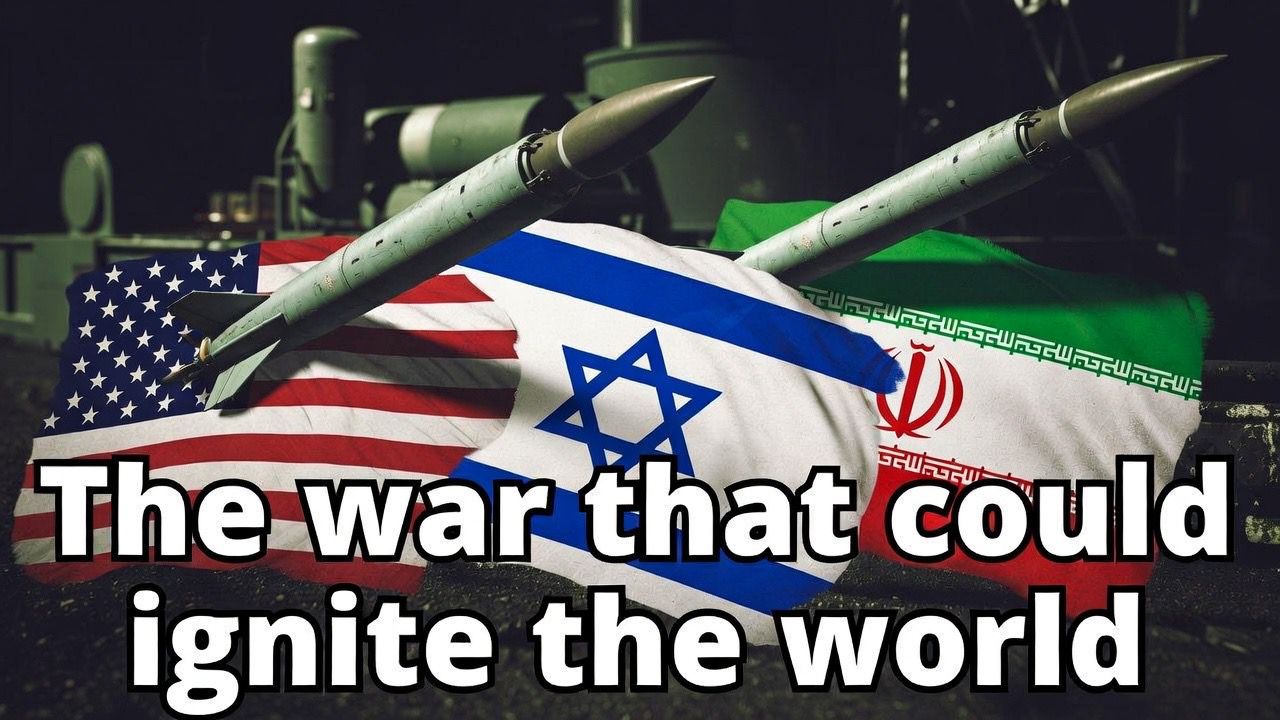
By Dr. Jude Dike, Ph.D.
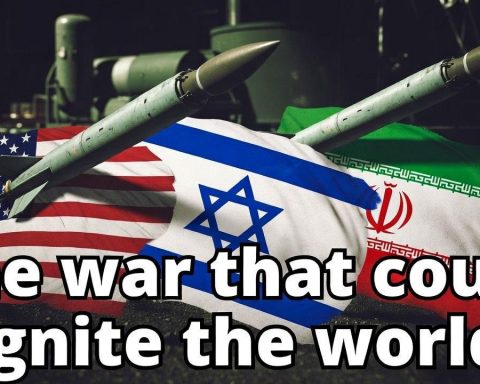
The United States, Israel and Iran are locked in a confrontation that could reshape the global order. The question is whether diplomacy can outrun escalation.
History shows that world wars rarely begin with a plan.
They begin with a crisis that leaders believe they can control.
The world may be witnessing such a moment now.
The growing confrontation involving the United States, Israel and Iran is often described as a regional conflict. That description is dangerously misleading. The reality is that this war sits at the intersection of great-power rivalry, nuclear risk, global energy security and technological warfare.
In other words, it contains many of the same ingredients that once turned regional conflicts into global catastrophes.
The international community should recognize the moment for what it is: not yet a world war, but a geopolitical crossroads where the wrong decisions could ignite one.
How Regional Wars Become Global Ones:
History offers a sobering precedent. The World War I did not begin as a plan for global destruction. It began as a localized crisis triggered by the Assassination of Archduke Franz Ferdinand.
Within weeks, alliances activated, militaries mobilized and a regional conflict spiralled into a global war that killed more than 16 million people.
Today’s crisis contains similar escalation dynamics.
The United States is Israel’s most powerful ally. Iran, meanwhile, maintains strategic relationships with other major powers and a network of allied groups across the Middle East. As military exchanges intensify, the risk grows that more actors could become involved — deliberately or by accident.
Wars rarely escalate because leaders want global conflict. They escalate because leaders believe they can manage the risks.
History suggests that belief is often wrong.
A Conflict With Global Stakes:
Three factors make the current confrontation especially dangerous.
1. The Energy Shock That Could Shake the World
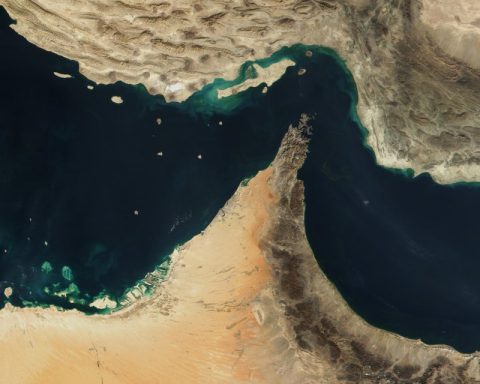
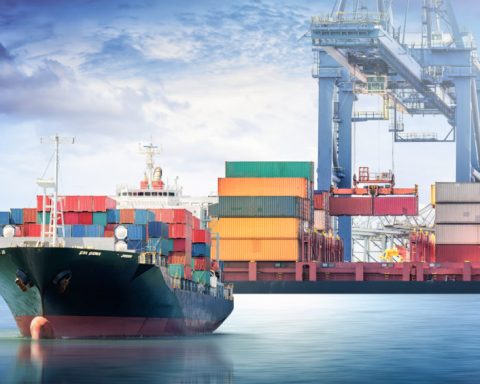
The Middle East remains the center of the global oil system. One maritime corridor — the Strait of Hormuz — carries a significant share of the world’s oil supply.
That route has been disrupted and energy prices have surged overnight. The result of this disruption. Is not only the economic pain but geopolitical instability as governments scramble to secure resources.
Economic crises have a long history of intensifying international conflict.
2. The Risk of Nuclear Escalation
Israel is widely believed to possess nuclear weapons, while Iran’s nuclear program has long been a source of international tension monitored by the International Atomic Energy Agency.
If Tehran concludes that the current war threatens the survival of its regime, it may accelerate its pursuit of nuclear capabilities. That could trigger a regional nuclear arms race — one of the most dangerous scenarios imaginable.
3. The Invisible Battlefield: Cyberwar
Unlike past wars, this conflict is unfolding not only in the skies and seas but also in cyberspace.
Attacks on financial systems, infrastructure or power grids could ripple far beyond the Middle East, affecting economies and societies around the world.
And because cyberattacks are difficult to attribute, retaliation could come swiftly — and mistakenly.
Why the World Still Has Time:
Despite these dangers, global war is not inevitable. There are powerful forces restraining escalation. The first is nuclear deterrence. The catastrophic consequences of direct war between nuclear-armed states remain a powerful caution.
The second is economic interdependence. The global economy is so interconnected that a major war would devastate nearly every country involved.
The third is diplomacy. Institutions such as the United Nations still provide channels for negotiation and crisis management.
But these restraints are only effective if leaders choose to use them.
What Leaders Must Do Now:
Preventing a wider war requires urgent action.
First, the parties must establish mechanisms to prevent accidental escalation — military hotlines, deconfliction agreements and clear communication channels.
Second, the world must revive nuclear diplomacy with Iran. Without a credible framework to manage nuclear tensions, the region risks sliding toward a dangerous arms race.
Third, regional powers need a new security dialogue. The Middle East remains one of the few regions without a comprehensive framework for managing rivalries.
Finally, the international community must protect global energy supply routes and ensure that economic shocks do not deepen geopolitical divisions.
These steps will not solve the region’s deep political conflicts overnight. But they could prevent the worst outcome.
The Choice Before the World
Wars are often remembered as inevitable. But they rarely are.
The catastrophe of the World War II did not emerge from a single decision; it grew from years of escalating crises and diplomatic failures.
Today’s leaders face a similar test.
The confrontation involving the United States, Israel and Iran could remain a tragic but limited regional war. Or it could become the spark that ignites a much wider conflict.
The difference will depend not on military power, but on political wisdom.
History’s most devastating wars began when leaders believed escalation could be controlled.
The lesson of history is simple: it rarely is.

- Editor
- Editor
- Editor
- Editor
- Editor