Prime Business Africa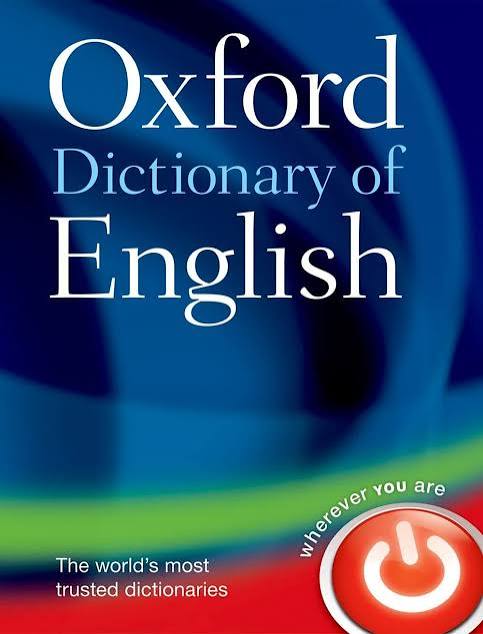
By Prosper Okoye
The Oxford English Dictionary (OED) has added several Nigerian-originated words, including mammy market and amala, in its latest update.
The December 2025 update, published on the OED website on Wednesday, includes more than 500 new words, phrases and meanings, as well as revisions to over 1,000 existing entries.
The additions reflect what the editors described as the growing global influence of English varieties used around the world, including West African English.
Join our WhatsApp ChannelOther Nigerian words added to the dictionary include moi moi, abeg, biko, nyash and Ghana Must Go.
The term mammy market is defined as a market typically run by women, originally found in military barracks and later in youth service camps and educational institutions.
Ghana Must Go refers to the large chequered plastic bags commonly used across West Africa. The expression dates back to the 1983 mass expulsion of undocumented Ghanaian migrants from Nigeria.
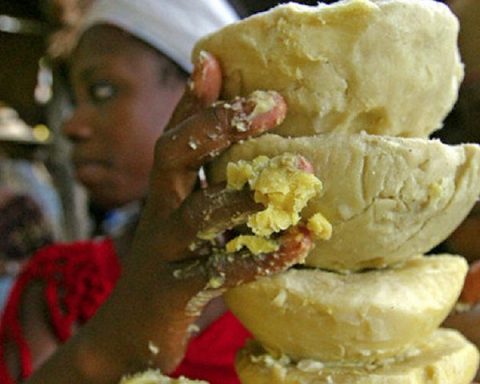
In food-related entries, amala is described as a dough made from yam, cassava or unripe plantain flour, usually served with soups, while moi moi is defined as a steamed bean pudding originating among the Yoruba people.
The dictionary defines abeg as an interjection used to express emotions such as surprise, exasperation or disbelief. Biko, originally from the Igbo language, is described as an interjection or adverb meaning “please”, used to add politeness or urgency.
The update also includes Afrobeats, which the dictionary defines as a style of popular music combining elements of West African music with jazz, soul and funk.
Alongside Nigerian expressions, the update added internet slang such as DM, brainfart and chug, and reviewed the histories of existing words including troll, coffee and snooker.
According to the editors, the update draws from English usage in different parts of the world, including Maltese, Japanese and South Korean English.
In January 2025, the OED added 20 Nigerian words and expressions, including japa, agbero, eba and abi, further highlighting the growing influence of Nigerian English and Pidgin on global vocabulary.
Prime Business Africa has observed that many Nigerians have welcomed the additions, describing them as recognition of the country’s growing cultural influence.
Some users on social media said Nigerian expressions have long been used beyond the country’s borders, even before their formal inclusion in the dictionary.
READ ALSO: Nigerian Words Enter Oxford Dictionary: A Bittersweet Reflection Of National Identity
One user, Uche Okeudo, wrote on X that Nigerian language and culture had been “exporting vibes for years”, adding that the world had been borrowing Nigerian slang long before the Oxford English Dictionary recognised it.

- Editor
- Editor
- Editor
- Editor
- Editor