 Aka Ekene, PBA Journalism Mentee
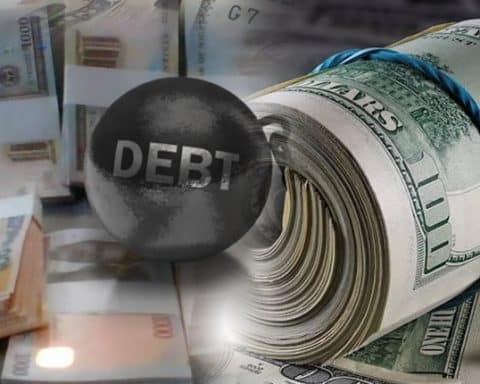
Over the past few years, developing nations have been grappling escalating debt levels, facing a multitude of macroeconomic hurdles which limit their ability to service these debts and promote sustainable growth.
Often, the result is sluggish economic trajectory, which can only be prevented by debt restructuring.
Join our WhatsApp ChannelThe Debt Crisis in Developing Countries:
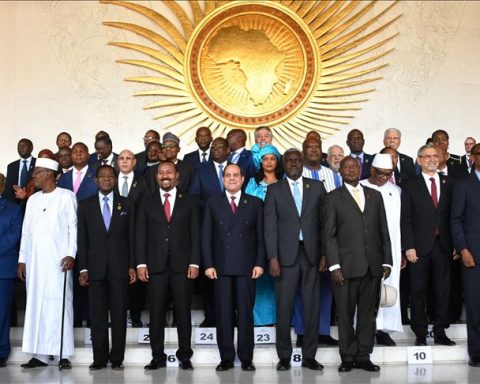
The world’s top central bankers, finance ministers, and political leaders are set to convene at the World Bank Group and International Monetary Fund (IMF) spring meetings to address a record number of developing countries grappling with the threat of a debt crisis. Inflation, escalating borrowing rates, and a strong dollar have made it extremely challenging for several impoverished nations to repay their debts, prompting many of them to default in the previous year.
African Countries Most Affected by Debt:
The East African, a renowned news platform covering events in Africa, particularly the East African sub-region, has released a list of the five African countries that have been most significantly impacted by the debt crisis. The following countries are expected to be discussed during the upcoming meetings:
Malawi: With a budget deficit of 1.32 trillion kwachas ($1.30 billion), equivalent to 8.7% of GDP, Malawi is grappling with currency shortages. The Southern African country, which relies on donor support, is trying to restructure its debt to receive additional IMF funding, which was authorized in November.
Tunisia:
The North African economy, which is heavily reliant on tourism, is facing a severe crisis resulting in a shortage of essential food items. Tunisia’s president has not made adequate progress on important reforms, resulting in a delay of a $1.9 billion IMF loan that has been on hold for several months. Credit rating agencies are predicting that Tunisia might default since most of its debt is local, but repayments on international loans are due later this year.
Egypt:
Despite receiving a new $3 billion IMF package in December 2022, Egypt is still experiencing economic difficulties. The country has implemented monetary and fiscal changes, including agreeing to a flexible currency and giving the private sector a more significant role.
READ: KPMG Predicts Nigeria’s Debt Crisis To Worsen, Proffers Solution
Despite three significant devaluations since March 2022, import and currency restrictions continue to hamper economic activity. Furthermore, there is still a shortage of foreign currency, and inflation is presently at over 30%, the highest it has been in more than five years.
Ghana:
Ghana is currently facing its most significant economic crisis in a generation, with debt payments accounting for more than 40% of the government’s income in the previous year. Despite securing a $3 billion agreement with the IMF in December, the West African nation still needs assurances of financial assistance from bilateral lenders to finalize the deal. In January, Ghana became the fourth country to request a revision under the G20 Common Framework.
Zambia:
Zambia is expected to be the first African country to default during the Covid-19 period in 2020, which will test the G20’s Common Framework program established during the pandemic to facilitate debt restructurings. External debt in Zambia has risen to $18.6 billion, and negotiations have been frustratingly slow. Zambia’s central bank reported that the country’s currency, the kwacha, has fallen over 10% against the US dollar, contributing to inflation and partly due to debt restructuring delays.
Conclusion:
The growing debt crisis in developing countries has far-reaching implications for the global economy. With more and more countries on the verge of default, it is imperative that a comprehensive and collaborative effort is made to address this issue. The upcoming World Bank Group and IMF spring meetings offer a platform for political leaders, central bankers, and finance ministers to discuss and implement solutions that can mitigate the effects of the debt crisis. It is essential that immediate action is taken to prevent further economic deterioration in developing countries, which can ultimately have a domino effect on the global economy. By restructuring debt, promoting sustainable growth, and implementing macroeconomic policies that address inflation and borrowing rates, these countries can move towards a path of economic stability and prosperity.