 Amanze Chinonye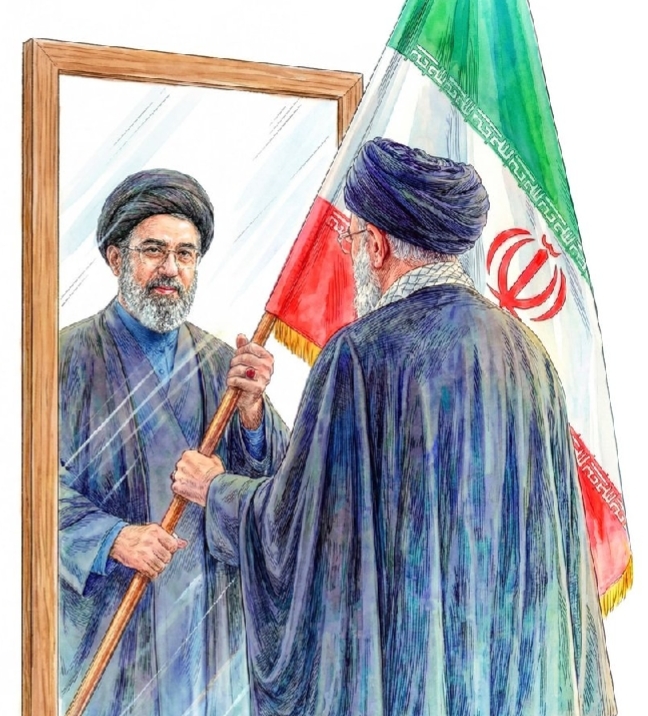
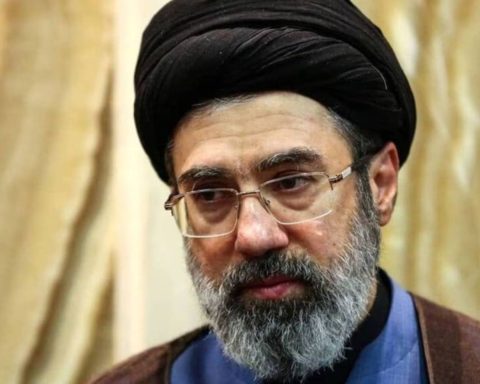
Speculation over the health of Iran’s new Supreme Leader, Mojtaba Khamenei, has intensified after Iranian state television reportedly used a term historically associated with wounded war veterans while announcing his succession.
According to reports from Iranian media monitoring and international outlets, the state broadcaster Islamic Republic of Iran Broadcasting (IRIB) described Khamenei as “Jaanbaz of Ramadan” during a broadcast announcing his leadership on March 8.
The Persian word “jaanbaz” literally translated as “one who risks or sacrifices his life” has a specific institutional meaning in Iran. Following the 1980–1988 Iran–Iraq War, the term became the official designation for veterans who were wounded or permanently disabled in combat.
Join our WhatsApp ChannelSuch individuals are registered under the Foundation of Martyrs and Veterans Affairs, which manages welfare programmes for injured soldiers, including those exposed to chemical weapons during the Iran–Iraq war.
The use of the title in reference to the new Supreme Leader has raised questions among observers about whether it signals that Mojtaba Khamenei may have been injured during the ongoing conflict Iranian authorities reportedly refer to as the “Ramadan war.”
Iranian officials have not publicly confirmed any injury, and no detailed explanation has been issued regarding the terminology used in the broadcast.
Since the reported death of his father, Ali Khamenei, Mojtaba Khamenei has not appeared publicly or delivered an official address, further fueling speculation about his condition and role in directing the country’s wartime operations.
Iranian state media outlets including Islamic Republic News Agency (IRNA), Fars News Agency, Tasnim News Agency and Press TV had not issued any correction or clarification regarding the wording as of March 10.
READ ALSO : Iran’s Clerical Assembly Appoints Mojtaba Khamenei as New Supreme Leader
Analyst’s Interpretation
Security analyst Perera, who examined the language used in the broadcast, argues that the phrasing carries a specific institutional meaning within Iran’s political and military culture.
According to the analyst, the term “jaanbaz” is not merely a symbolic compliment but an official classification for individuals wounded in war, widely used by the Islamic Republic to describe disabled combat veterans.
Perera contends that describing Mojtaba Khamenei as “Jaanbaz of Ramadan” could therefore be interpreted as a coded acknowledgement that the new Supreme Leader was injured during the current conflict.
The analyst also points to Khamenei’s absence from public view since his appointment, noting that only a pre-prepared portrait has circulated in official channels rather than live appearances, photographs, or recorded statements.
Under Article 110 of Iran’s constitution, the Supreme Leader holds ultimate authority over the country’s armed forces, including the power to appoint and dismiss senior military commanders and direct national military strategy.
Perera argues that if the Supreme Leader were incapacitated or unable to exercise authority, military structures particularly within the Islamic Revolutionary Guard Corps (IRGC) could continue operating under previously delegated command frameworks designed to function even if central leadership is disrupted.
However, analysts caution that no independent confirmation exists that Mojtaba Khamenei was wounded, and Iranian authorities have not publicly addressed the speculation.
Until official clarification emerges, the interpretation of the term used by state television remains a matter of analysis rather than verified fact, leaving questions about the new Supreme Leader’s condition unresolved.

Amanze Chinonye is a Staff Correspondent at Prime Business Africa, a rising star in the literary world, weaving captivating stories that transport readers to the vibrant landscapes of Nigeria and the rest of Africa. With a unique voice that blends with the newspaper's tradition and style, Chinonye's writing is a masterful exploration of the human condition, delving into themes of identity, culture, and social justice. Through her words, Chinonye paints vivid portraits of everyday African life, from the bustling markets of Nigeria's Lagos to the quiet villages of South Africa's countryside . With a keen eye for detail and a deep understanding of the complexities of Nigerian society, Chinonye's writing is both a testament to the country's rich cultural heritage and a powerful call to action for a brighter future. As a writer, Chinonye is a true storyteller, using her dexterity to educate, inspire, and uplift readers around the world.
- Amanze Chinonye
- Amanze Chinonye
- Amanze Chinonye
- Amanze Chinonye
- Amanze Chinonye
- Amanze Chinonye
- Amanze Chinonye
- Amanze Chinonye
- Amanze Chinonye
- Amanze Chinonye
- Amanze Chinonye
- Amanze Chinonye
- Amanze Chinonye
- Amanze Chinonye
- Amanze Chinonye
- Amanze Chinonye
- Amanze Chinonye
- Amanze Chinonye
- Amanze Chinonye
- Amanze Chinonye
- Amanze Chinonye
- Amanze Chinonye
- Amanze Chinonye
- Amanze Chinonye
- Amanze Chinonye
- Amanze Chinonye
- Amanze Chinonye
- Amanze Chinonye
- Amanze Chinonye
- Amanze Chinonye
- Amanze Chinonye
- Amanze Chinonye
- Amanze Chinonye
- Amanze Chinonye
- Amanze Chinonye
- Amanze Chinonye
- Amanze Chinonye
- Amanze Chinonye
- Amanze Chinonye
- Amanze Chinonye
- Amanze Chinonye
- Amanze Chinonye
- Amanze Chinonye
- Amanze Chinonye
- Amanze Chinonye
- Amanze Chinonye
- Amanze Chinonye
- Amanze Chinonye
- Amanze Chinonye
- Amanze Chinonye
- Amanze Chinonye
- Amanze Chinonye
- Amanze Chinonye
- Amanze Chinonye
- Amanze Chinonye
- Amanze Chinonye
- Amanze Chinonye
- Amanze Chinonye
- Amanze Chinonye
- Amanze Chinonye
- Amanze Chinonye
- Amanze Chinonye
- Amanze Chinonye
- Amanze Chinonye
- Amanze Chinonye
- Amanze Chinonye
- Amanze Chinonye
- Amanze Chinonye
- Amanze Chinonye
- Amanze Chinonye
- Amanze Chinonye
- Amanze Chinonye
- Amanze Chinonye
- Amanze Chinonye
- Amanze Chinonye
- Amanze Chinonye
- Amanze Chinonye
- Amanze Chinonye
- Amanze Chinonye
- Amanze Chinonye
- Amanze Chinonye
- Amanze Chinonye
- Amanze Chinonye
- Amanze Chinonye
- Amanze Chinonye
- Amanze Chinonye
- Amanze Chinonye
- Amanze Chinonye
- Amanze Chinonye
- Amanze Chinonye
- Amanze Chinonye
- Amanze Chinonye
- Amanze Chinonye
- Amanze Chinonye
- Amanze Chinonye
- Amanze Chinonye
- Amanze Chinonye
- Amanze Chinonye
- Amanze Chinonye
- Amanze Chinonye
- Amanze Chinonye
- Amanze Chinonye
- Amanze Chinonye
- Amanze Chinonye
- Amanze Chinonye
- Amanze Chinonye
- Amanze Chinonye
- Amanze Chinonye
- Amanze Chinonye
- Amanze Chinonye
- Amanze Chinonye
- Amanze Chinonye
- Amanze Chinonye
- Amanze Chinonye
- Amanze Chinonye
- Amanze Chinonye
- Amanze Chinonye
- Amanze Chinonye
- Amanze Chinonye
- Amanze Chinonye
- Amanze Chinonye
- Amanze Chinonye
- Amanze Chinonye
- Amanze Chinonye
- Amanze Chinonye
- Amanze Chinonye
- Amanze Chinonye
- Amanze Chinonye
- Amanze Chinonye
- Amanze Chinonye
- Amanze Chinonye
- Amanze Chinonye
- Amanze Chinonye
- Amanze Chinonye
- Amanze Chinonye
- Amanze Chinonye
- Amanze Chinonye
- Amanze Chinonye
- Amanze Chinonye
- Amanze Chinonye
- Amanze Chinonye
- Amanze Chinonye
- Amanze Chinonye
- Amanze Chinonye
- Amanze Chinonye
- Amanze Chinonye
- Amanze Chinonye