Amanze Chinonye
When the World Health Organisation (WHO) declared Mpox a public health emergency of international concern in August 2024, the disease had already been spreading across the Democratic Republic of Congo and making inroads into neighboring nations. For many health professionals and policy observers, the announcement felt long overdue. Mpox had lingered in the margins of public health conversation for years, circulating quietly in African nations, studied mostly by regional epidemiologists, and largely ignored by the global north. It wasn’t until the threat began to ripple outward that the alarm bells rang loud enough for a coordinated global response.
This pattern is not new. Time and again, diseases that originate in under-resourced or geopolitically sidelined regions have only drawn international concern when they pose a threat beyond their borders. The Ebola outbreak of 2014, cholera surges in Haiti, and now Mpox all illustrate the consequences of poor attention and delayed response. The question remains: why are local outbreaks repeatedly neglected until they morph into global crises?
Join our WhatsApp ChannelOne answer lies in the structural inequities of global health systems. Despite the WHO’s role in declaring emergencies and coordinating responses, much of the world’s health infrastructure and funding remains reactive, not proactive. Countries with limited healthcare budgets often lack the capacity to mount robust surveillance or containment strategies without external aid. Meanwhile, wealthier nations tend to direct resources toward threats that impact them directly, creating a blind spot for diseases seen as “regional problems.”
Mpox is a case in point. Though first identified decades ago in Central and West Africa, it remained underfunded in terms of research and public health investment. No widespread vaccination campaigns or major pharmaceutical interest took shape until 2022, when cases began appearing in Europe and North America. Suddenly, a disease once dismissed as a “localized concern” became a headline issue. By then, containment was more difficult, and the window for early intervention had closed.
READ ALSO: How Global Health Declarations Shape National Policies
The delay in action not only risks wider transmission but also leads to unnecessary human and economic costs. Healthcare systems in outbreak zones become overwhelmed, trust in public health authorities erodes, and opportunities for early scientific insight are lost. Most critically, people in the communities first affected suffer the worst, often without access to vaccines, treatments, or even accurate information.
READ ALSO: WHO Expands Health Services Support For The Vulnerable In Northeast
There is also the issue of narrative. Diseases rooted in African or less-developed regions are often framed as “exotic” or “tropical,” a language that reinforces distance and difference rather than urgency. Until the international community collectively shifts from a mindset of containment to one of prevention and equity, outbreaks like Mpox will continue to follow this avoidable trajectory.
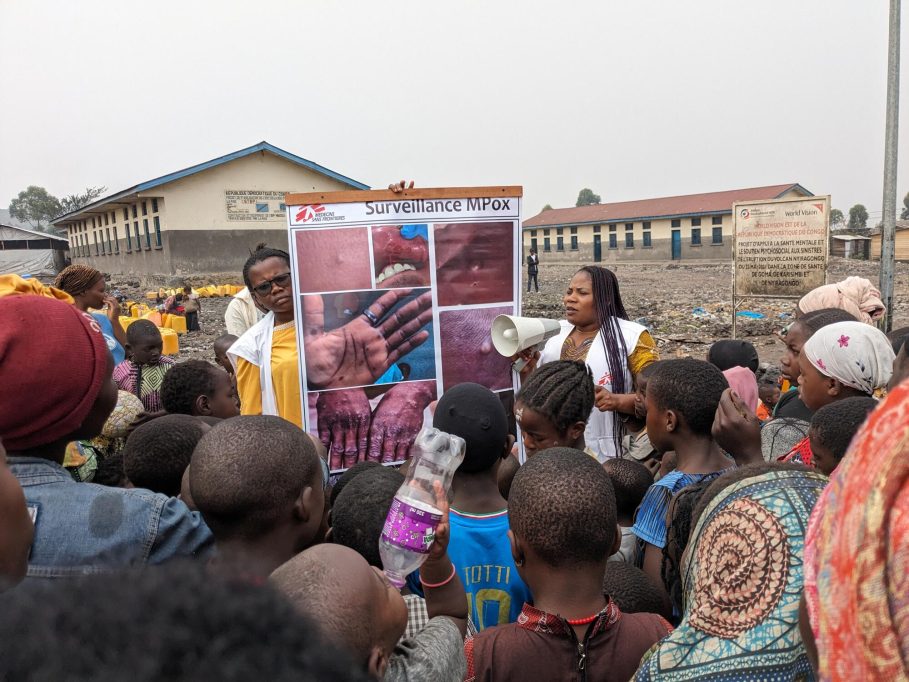
Solutions do exist. Strengthening surveillance systems in vulnerable regions, investing in localized research, and supporting community-led health education are key components. Furthermore, equitable access to vaccines and diagnostics must be prioritized, not only during an outbreak but as a matter of routine preparedness. Global health security depends on a shared understanding that disease knows no borders.
The WHO’s continued recognition of Mpox as a global emergency sends an important signal, but declarations alone are not enough. True progress requires dismantling the idea that some outbreaks matter more than others. The real measure of health justice lies in responding to every crisis with the same urgency, regardless of geography.
Until then, the world remains stuck in a cycle of neglect and reaction, one outbreak away from another preventable global crisis.

Amanze Chinonye is a Staff Correspondent at Prime Business Africa, a rising star in the literary world, weaving captivating stories that transport readers to the vibrant landscapes of Nigeria and the rest of Africa. With a unique voice that blends with the newspaper's tradition and style, Chinonye's writing is a masterful exploration of the human condition, delving into themes of identity, culture, and social justice. Through her words, Chinonye paints vivid portraits of everyday African life, from the bustling markets of Nigeria's Lagos to the quiet villages of South Africa's countryside . With a keen eye for detail and a deep understanding of the complexities of Nigerian society, Chinonye's writing is both a testament to the country's rich cultural heritage and a powerful call to action for a brighter future. As a writer, Chinonye is a true storyteller, using her dexterity to educate, inspire, and uplift readers around the world.