Court Directs FCTA Workers to Halt Strike Ahead of March Hearing

January 27, 2026

The National Industrial Court (NICN) has ordered staff of the Federal Capital Territory Administration (FCTA) to suspend their ongoing strike as the court prepares to hear the substantive case filed by FCT Minister Nyesom Wike, Prime Business Africa reports.

Justice Emmanuel Subilim, presiding over the matter, ruled that all industrial action must cease immediately following the referral of the dispute to the court, pending a final determination. The minister had approached the court seeking an order compelling striking workers to return to their official duties.

In the originating summons, the minister named the President and Secretary of the Joint Unions Action Committee (JUAC) as defendants. The court cited Section 18(1)(e) of the Trade Disputes Act, noting that once a trade dispute is formally brought before the National Industrial Court, any ongoing strike or industrial action must be suspended to allow the legal process to take its course.

Join our WhatsApp Channel

READ ALSO : FCTA Strike: Court to Rule on Wike’s Application to Halt Industrial Action on January 27

Justice Subilim warned that non-compliance with the Act could attract legal sanctions. He also emphasized that maintaining public interest and uninterrupted service delivery in Abuja outweighs the temporary inconvenience of halting the strike.

The court has adjourned the substantive hearing to March 25, 2026, when the full matter will be addressed.

The strike, which began on January 19, 2026, involves workers of the FCTA and the Federal Capital Development Authority (FCDA).

The industrial action has disrupted operations across all FCTA secretariats, departments, agencies, area councils, and parastatals, following workers’ complaints of unmet demands, including five months of unpaid salaries, long-outstanding promotion arrears, and poor working conditions.

The ruling marks a critical legal step in the dispute, as both the FCTA and the unions await the March hearing to determine the future of the industrial action.

+ posts

Amanze Chinonye is a Staff Correspondent at Prime Business Africa, a rising star in the literary world, weaving captivating stories that transport readers to the vibrant landscapes of Nigeria and the rest of Africa. With a unique voice that blends with the newspaper's tradition and style, Chinonye's writing is a masterful exploration of the human condition, delving into themes of identity, culture, and social justice. Through her words, Chinonye paints vivid portraits of everyday African life, from the bustling markets of Nigeria's Lagos to the quiet villages of South Africa's countryside . With a keen eye for detail and a deep understanding of the complexities of Nigerian society, Chinonye's writing is both a testament to the country's rich cultural heritage and a powerful call to action for a brighter future. As a writer, Chinonye is a true storyteller, using her dexterity to educate, inspire, and uplift readers around the world.

Amanze Chinonye

Amanze Chinonye is a Staff Correspondent at Prime Business Africa, a rising star in the literary world, weaving captivating stories that transport readers to the vibrant landscapes of Nigeria and the rest of Africa. With a unique voice that blends with the newspaper's tradition and style, Chinonye's writing is a masterful exploration of the human condition, delving into themes of identity, culture, and social justice. Through her words, Chinonye paints vivid portraits of everyday African life, from the bustling markets of Nigeria's Lagos to the quiet villages of South Africa's countryside . With a keen eye for detail and a deep understanding of the complexities of Nigerian society, Chinonye's writing is both a testament to the country's rich cultural heritage and a powerful call to action for a brighter future. As a writer, Chinonye is a true storyteller, using her dexterity to educate, inspire, and uplift readers around the world.


Previous Story

Herbal Renaissance: Why Africa’s Elite Are Ditching Pills for Nature’s Cure

Next Story

Onitsha Market Closure Sparks Youth Protests, Raising Fears of Violence

Featured Stories

Latest from News

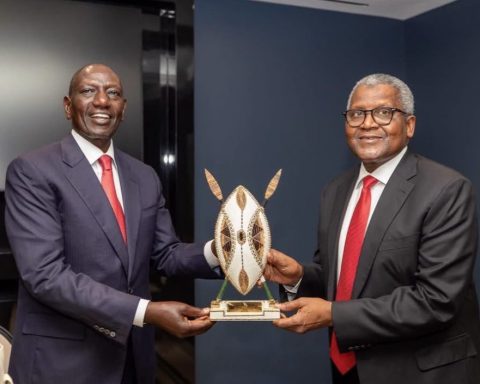
Ruto, Dangote Discuss Financing for $17 Billion Kenya Refinery Project

Written by Amanze Chinonye Kenyan President William Ruto met Nigerian industrialist Aliko Dangote and Africa Finance Corporation (AFC) President Samaila Zubairu in New York on Monday, September 21, 2026 to discuss financing and preparations for a proposed oil refinery in Kenya’s coastal Lamu

India-New Zealand Free Trade Agreement to Take Effect on Oct. 20

Written by Amanze Chinonye India and New Zealand’s free trade agreement (FTA) will take effect on Oct. 20, giving Indian exporters duty-free access to the New Zealand market and deepening economic ties between the two countries. India’s Minister of Commerce Piyush Goyal announced

Kenya Power Customers Face Higher Bills as EPRA Adds KSh4.16 Per Unit

Written by Amanze Chinonye Kenya Power customers will pay more for electricity in September after the Energy and Petroleum Regulatory Authority (EPRA) imposed KSh4.1591 per kilowatt-hour in additional pass-through charges, increasing costs for households and businesses, Prime Business Africa reports.  A customer consuming

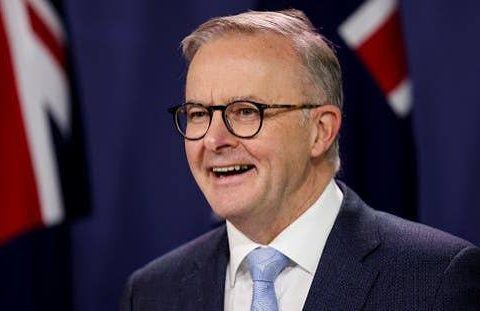
Australia Launches Bid for UN Security Council Seat for 2029-30

Written by Amanze Chinonye Australia has launched its campaign for a seat on the United Nations Security Council for 2029-2030, seeking a return to the council as geopolitical tensions and global security challenges intensify. Join our WhatsApp Channel Prime Minister Anthony Albanese announced
Previous Story

Herbal Renaissance: Why Africa’s Elite Are Ditching Pills for Nature’s Cure

Next Story

Onitsha Market Closure Sparks Youth Protests, Raising Fears of Violence

Don't Miss

Solskjaer Sacked By Man United After Humiliating Watford Defeat

Join our WhatsApp Channel By Izuchukwu Okosi Manchester
LG Autonomy: Why LGAs Failed To Receive Monthly Allocations From Federation Accounts For January

LG Autonomy: Why LGAs Failed To Receive Monthly Allocations From Federation Accounts For January

Local government areas (LGAs) across Nigeria have encountered a major