 Amanze Chinonye
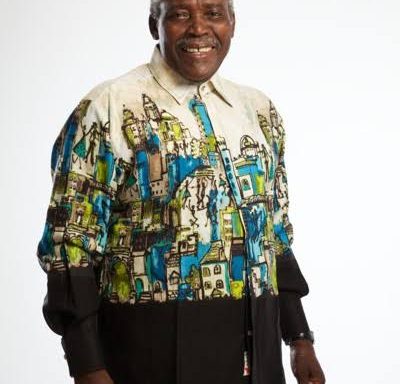
Nollywood veteran Nkem Owoh, widely celebrated by audiences as “Osuofia,” has turned 71, marking more than four decades of influence in Nigerian film, comedy, and popular culture.
From his roots in Amagu, Udi, Enugu State, Owoh has built a career that helped shape the comic identity of Nollywood and carried indigenous Nigerian storytelling beyond national borders.
Born on 7 February 1955, Owoh initially set out on an academic path far removed from acting, studying engineering at the Federal University of Agriculture, Abeokuta (FUNAAB). That ambition was cut short during his first year, a turning point that redirected him towards the creative arts. What followed was not a detour, but the beginning of a defining chapter in Nigerian entertainment.
Join our WhatsApp ChannelOwoh began his professional journey in broadcasting as a writer at the Nigerian Television Authority (NTA) in 1979, frequently stepping in for actors when production demands arose. His behind-the-scenes contributions proved significant. In 1992, he was contracted to write the Igbo subtitles for Living in Bondage, the landmark film widely credited with launching Nigeria’s home-video revolution and laying the foundation for modern Nollywood.

His transition fully to acting came shortly after. In 1993, Owoh landed his first major screen role as a customs officer in Circle of Doom, a performance that signaled his arrival as a compelling screen presence. Two years later, he wrote and starred in Ikuku, a film that introduced the character “Osuofia” a sharp-witted village man navigating the contradictions of modern life.
The role resonated deeply with audiences and was further developed in Ikuku 1 and 2, cementing Osuofia as one of the most recognisable characters in Nigerian cinema.
READ ALSO : Jega, Odinkalu, Chidoka to lead Prime Business Africa Webinar Marking Utomi’s 70th Birthday
Owoh’s career reached a global audience in 2003 with the release of Osuofia in London, a box-office success that became an early viral Nollywood title and established him as one of the first indigenous Nigerian actors to achieve widespread international recognition. His work extended beyond film into music, with the release of the satirical hit “I Go Chop Your Dollar,” reflecting his ability to blend humour with social commentary.

Across a career spanning more than 200 film appearances, Owoh’s performances have been defined by expressive delivery, physical comedy, and an instinctive understanding of character.
His contributions have earned him major industry honours, including Best Actor in a Leading Role at the Africa Movie Academy Awards (AMAA) in 2008 for Stronger Than Pain and the AMAA Lifetime Achievement Award in 2017, recognising his enduring impact on African cinema.

The actor’s 71st birthday sparked a wave of tributes from across Nigeria and the diaspora. Fans circulated classic film scenes and iconic lines, while colleagues praised his originality and influence. Messages highlighted his ability to command the screen without excess dialogue and his reputation as a performer whose comic timing required little embellishment.
Owoh himself acknowledged the celebrations by sharing images from Udi, where he was seen dancing traditionally, a moment that reflected the vitality and humour that have defined his public persona.
The celebrations came at a time when Nollywood has recently mourned several industry losses, adding weight to the recognition of Owoh as a living legend whose presence continues to be felt. His career, often described as foundational, has influenced generations of actors and helped establish comedy as a central pillar of Nigerian film.
Away from the spotlight, Owoh maintains a largely private life with his wife, Ngozi Owoh, consistently emphasising balance between his personal and professional worlds. Despite decades in the public eye, he has retained a reputation for humility and discipline.
At 71, Nkem Owoh remains a symbol of endurance in Nollywood, an artist whose work transcends entertainment to reflect social realities through humour. His legacy, anchored by Osuofia and reinforced by decades of memorable performances, continues to shape Nigerian cinema and collective memory.
For many Nigerians, his laughter defined childhoods and bridged generations. For the industry, his career stands as proof that authentic storytelling, rooted in local culture, can achieve lasting relevance at home and abroad.

Amanze Chinonye is a Staff Correspondent at Prime Business Africa, a rising star in the literary world, weaving captivating stories that transport readers to the vibrant landscapes of Nigeria and the rest of Africa. With a unique voice that blends with the newspaper's tradition and style, Chinonye's writing is a masterful exploration of the human condition, delving into themes of identity, culture, and social justice. Through her words, Chinonye paints vivid portraits of everyday African life, from the bustling markets of Nigeria's Lagos to the quiet villages of South Africa's countryside . With a keen eye for detail and a deep understanding of the complexities of Nigerian society, Chinonye's writing is both a testament to the country's rich cultural heritage and a powerful call to action for a brighter future. As a writer, Chinonye is a true storyteller, using her dexterity to educate, inspire, and uplift readers around the world.