Amanze Chinonye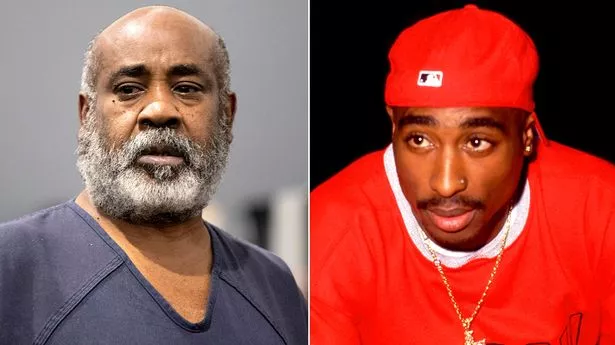
A Nevada jury on Monday convicted former gang leader Duane “Keffe D” Davis of first-degree murder in the 1996 drive-by shooting of rapper Tupac Shakur, bringing the first criminal conviction in one of hip-hop’s most notorious unsolved killings.
Davis, 63, was found guilty of murder with the use of a deadly weapon after jurors deliberated for nearly three hours following an 11-day trial in Clark County District Court. He was the only person ever charged in connection with Shakur’s killing.
Join our WhatsApp ChannelREAD ALSO :
Davis faces life in prison without parole and is scheduled to be sentenced on Oct. 13. He has said he plans to appeal.
Prosecutors portrayed Davis as a “shot caller” for the South Side Compton Crips who helped orchestrate the attack after Shakur and members of his entourage assaulted his nephew, Orlando “Baby Lane” Anderson, during a confrontation at the MGM Grand earlier that night.
Davis was not accused of firing the shots. Prosecutors argued that he helped organise the retaliation and supplied the weapon used in the attack, making him criminally responsible for the killing under Nevada law.
The identities of the people who prosecutors said accompanied Davis in the Cadillac were discussed during the trial, but the alleged gunman was never charged. The other men identified as being in the vehicle have since died.
READ MORE :
Police Obtain Warrant, Reopen Investigation On Tupac’s Murder
A central part of the prosecution’s case was Davis’ own account of the shooting. Prosecutors cited statements he made in interviews and documentaries, as well as his 2019 memoir, Compton Street Legend, and recordings obtained during the investigation.
Prosecutors argued that Davis’ repeated accounts of the events amounted to admissions of his role in organising the killing.
His defence maintained that his stories were unreliable and had been exaggerated or fabricated for publicity and financial gain. Lawyers also challenged the lack of independent evidence supporting key elements of his account and raised questions about missing investigative records.
A former Las Vegas homicide detective testified that he believed Davis’ account but acknowledged that investigators had been unable to independently verify some of his claims.
The prosecution did not need to establish that Davis personally pulled the trigger. Instead, prosecutors sought to prove that he participated in planning and facilitating the attack.
The verdict brought an emotional reaction from Shakur’s family. His sister, Sekyiwa “Set” Shakur, cried in court as the verdict was read, while his stepbrother, Mopreme Shakur, raised his fist in a gesture of celebration.
READ ALSO :
Shakur’s killing had remained unresolved for decades and became one of the defining mysteries surrounding the violent East Coast-West Coast rivalry in 1990s hip-hop. The rapper’s death was followed months later by the killing of Christopher Wallace, known as The Notorious B.I.G., another leading figure in the era’s rap rivalry.
Davis was arrested in September 2023 after Las Vegas police revived the investigation. His public statements about Shakur’s killing, once made years before his arrest, became important to the renewed case against him.
The conviction marks the first criminal judgment in Shakur’s death nearly 30 years after the shooting, although the case remains subject to Davis’ planned appeal.
Shakur was shot on Sept. 7, 1996, and died six days later. The verdict came one week before the 30th anniversary of his death.

Amanze Chinonye is a Staff Correspondent at Prime Business Africa, a rising star in the literary world, weaving captivating stories that transport readers to the vibrant landscapes of Nigeria and the rest of Africa. With a unique voice that blends with the newspaper's tradition and style, Chinonye's writing is a masterful exploration of the human condition, delving into themes of identity, culture, and social justice. Through her words, Chinonye paints vivid portraits of everyday African life, from the bustling markets of Nigeria's Lagos to the quiet villages of South Africa's countryside . With a keen eye for detail and a deep understanding of the complexities of Nigerian society, Chinonye's writing is both a testament to the country's rich cultural heritage and a powerful call to action for a brighter future. As a writer, Chinonye is a true storyteller, using her dexterity to educate, inspire, and uplift readers around the world.