 Amanze Chinonye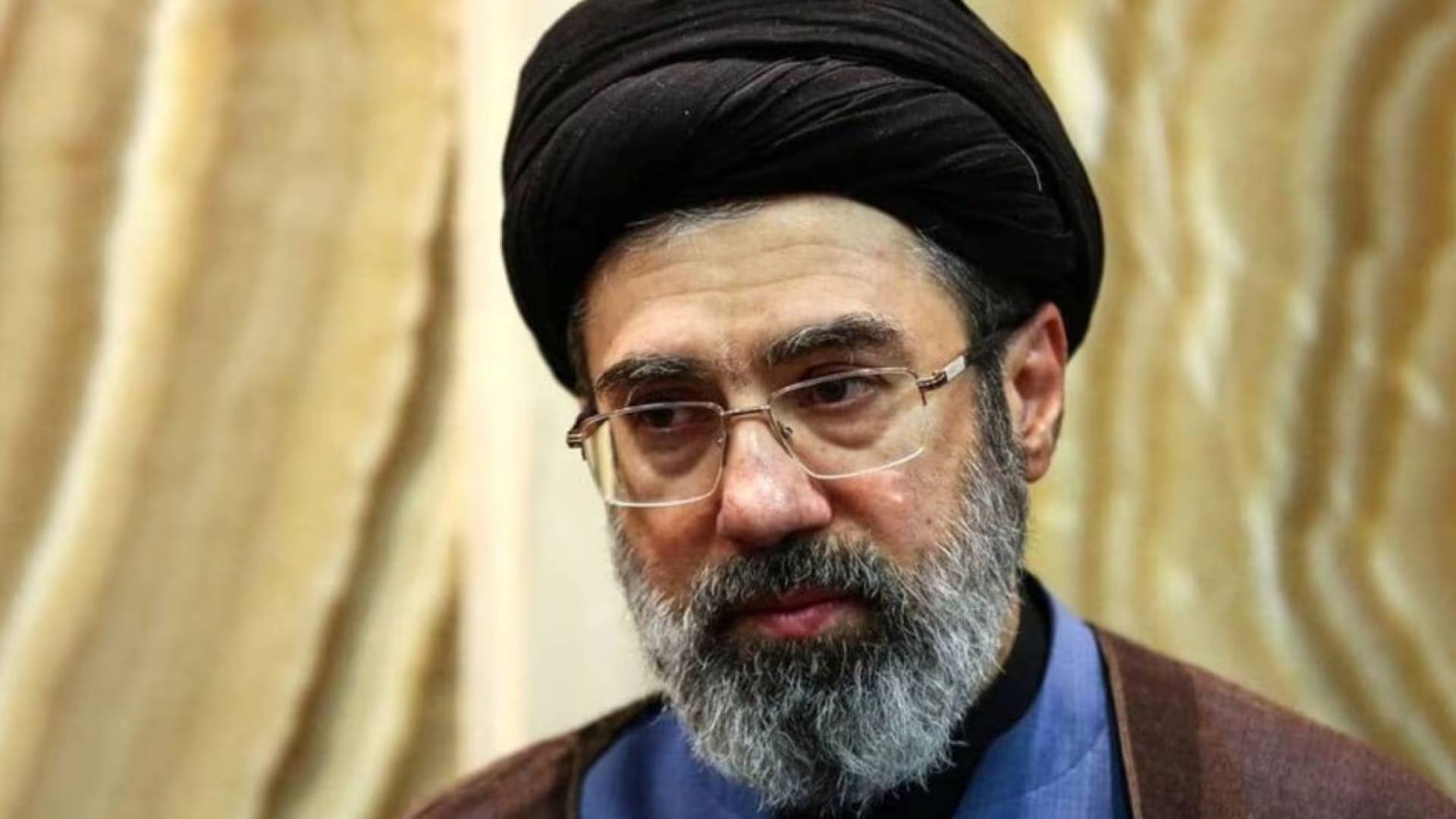
Iran’s top clerical authority, the Assembly of Experts, has formally selected Mojtaba Khamenei as the new Supreme Leader of the Islamic Republic of Iran, marking the first father-to-son succession in the country’s post-revolutionary leadership.
The decision was announced on Sunday following an extraordinary meeting of the Assembly in Tehran. In a statement, the clerical body said it reached the decision after “careful and extensive deliberations,” adding that Mojtaba Khamenei was chosen through a decisive vote of its members.
The appointment places Mojtaba Khamenei at the helm of Iran’s political and religious system, succeeding his father, the late Ali Khamenei.
Join our WhatsApp ChannelThird leader since 1979 revolution
Mojtaba Khamenei becomes the third Supreme Leader since the Iranian Revolution that overthrew the monarchy and created the Islamic Republic.
The role was first held by revolutionary leader Ruhollah Khomeini, who ruled until his death in 1989, after which Ali Khamenei assumed the position and remained in power for more than three decades.
The Supreme Leader is the most powerful authority in Iran, exercising ultimate control over the armed forces, the judiciary and key state institutions.
READ ALSO : Iran Appoints Interim Leadership Council After Khamenei’s Death
Iran Leadership “Safe” After Strikes – Foreign Minister
Global reaction and rising geopolitical strain
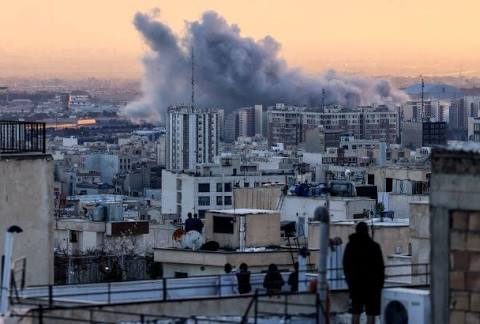
The leadership change is already drawing international attention amid heightened regional tensions.
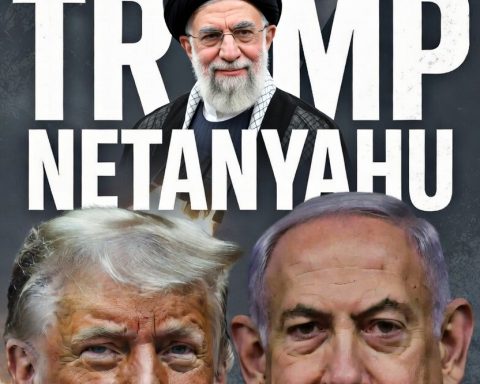
The U.S. president, Donald Trump, had earlier criticised the possibility of Mojtaba Khamenei succeeding his father, describing such a transition as unacceptable.
Meanwhile, Israel has issued warnings over the succession process, reportedly threatening that Iran’s next Supreme Leader and those responsible for the appointment could become potential targets.
Analysts say the development could further strain relations between Iran and Western powers as well as regional rivals.
Debate within Iran’s ruling circles
Within Iran’s political establishment, the decision has reportedly sparked debate among senior officials and military figures.
Some critics argue that placing leadership in the hands of a relatively low-profile cleric during a period of security tensions could pose risks. They contend that strategic decisions related to national defence should remain firmly under the guidance of senior security officials such as Ali Larijani.
Others, however, believe Mojtaba Khamenei’s close involvement in the inner workings of the Supreme Leader’s office makes him well positioned to assume the role. Supporters point to his experience as a senior aide to his father and his longstanding connections within Iran’s political and security networks.
Interim leadership during transition
Amid the leadership transition, Iran has been governed by a temporary leadership arrangement involving senior officials, including President Masoud Pezeshkian.
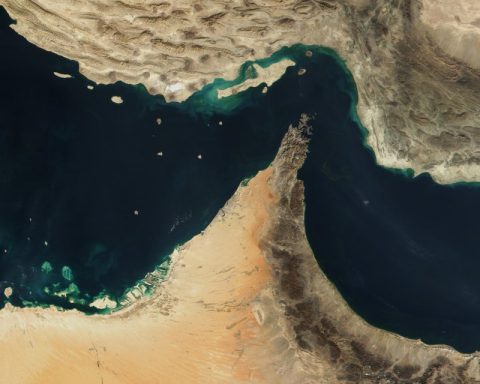
Pezeshkian recently attempted to reduce tensions with neighbouring Gulf states, apologising for earlier Iranian strikes on their territory and signalling that Tehran would halt such attacks if those countries refrained from allowing operations against Iran to be launched from their soil.
Observers say the move appears aimed at calming regional relations as the country manages the sensitive transfer of leadership.
A low-profile cleric
Born on September 8, 1969, in Mashhad, Mojtaba Khamenei is the second of six children of Ali Khamenei.
He received his early education in Tehran before pursuing advanced religious studies in Qom, one of the most important centres of Shia scholarship.
Iranian media report that he briefly served in the military during the Iran–Iraq War before continuing his theological education.
Despite his family background, Mojtaba Khamenei has remained largely out of the public spotlight and has never held a formal government position. However, observers have long suggested he wielded significant influence behind the scenes during his father’s rule.
Diplomatic cables released by WikiLeaks previously described him as a powerful figure within Iran’s leadership structure, referring to him as “the power behind the robes.”
His elevation to Supreme Leader now formally brings the previously private cleric to the forefront of Iran’s political system at a time of significant domestic and international pressure.

Amanze Chinonye is a Staff Correspondent at Prime Business Africa, a rising star in the literary world, weaving captivating stories that transport readers to the vibrant landscapes of Nigeria and the rest of Africa. With a unique voice that blends with the newspaper's tradition and style, Chinonye's writing is a masterful exploration of the human condition, delving into themes of identity, culture, and social justice. Through her words, Chinonye paints vivid portraits of everyday African life, from the bustling markets of Nigeria's Lagos to the quiet villages of South Africa's countryside . With a keen eye for detail and a deep understanding of the complexities of Nigerian society, Chinonye's writing is both a testament to the country's rich cultural heritage and a powerful call to action for a brighter future. As a writer, Chinonye is a true storyteller, using her dexterity to educate, inspire, and uplift readers around the world.
- Amanze Chinonye
- Amanze Chinonye
- Amanze Chinonye
- Amanze Chinonye
- Amanze Chinonye
- Amanze Chinonye
- Amanze Chinonye
- Amanze Chinonye
- Amanze Chinonye
- Amanze Chinonye
- Amanze Chinonye
- Amanze Chinonye
- Amanze Chinonye
- Amanze Chinonye
- Amanze Chinonye
- Amanze Chinonye
- Amanze Chinonye
- Amanze Chinonye
- Amanze Chinonye
- Amanze Chinonye
- Amanze Chinonye
- Amanze Chinonye
- Amanze Chinonye
- Amanze Chinonye
- Amanze Chinonye
- Amanze Chinonye
- Amanze Chinonye
- Amanze Chinonye
- Amanze Chinonye
- Amanze Chinonye
- Amanze Chinonye
- Amanze Chinonye
- Amanze Chinonye
- Amanze Chinonye
- Amanze Chinonye
- Amanze Chinonye
- Amanze Chinonye
- Amanze Chinonye
- Amanze Chinonye
- Amanze Chinonye
- Amanze Chinonye
- Amanze Chinonye
- Amanze Chinonye
- Amanze Chinonye
- Amanze Chinonye
- Amanze Chinonye
- Amanze Chinonye
- Amanze Chinonye
- Amanze Chinonye
- Amanze Chinonye
- Amanze Chinonye
- Amanze Chinonye
- Amanze Chinonye
- Amanze Chinonye
- Amanze Chinonye
- Amanze Chinonye
- Amanze Chinonye
- Amanze Chinonye
- Amanze Chinonye
- Amanze Chinonye
- Amanze Chinonye
- Amanze Chinonye
- Amanze Chinonye
- Amanze Chinonye
- Amanze Chinonye
- Amanze Chinonye
- Amanze Chinonye
- Amanze Chinonye
- Amanze Chinonye
- Amanze Chinonye
- Amanze Chinonye
- Amanze Chinonye
- Amanze Chinonye
- Amanze Chinonye
- Amanze Chinonye
- Amanze Chinonye
- Amanze Chinonye
- Amanze Chinonye
- Amanze Chinonye
- Amanze Chinonye
- Amanze Chinonye
- Amanze Chinonye
- Amanze Chinonye
- Amanze Chinonye
- Amanze Chinonye
- Amanze Chinonye
- Amanze Chinonye
- Amanze Chinonye
- Amanze Chinonye
- Amanze Chinonye
- Amanze Chinonye
- Amanze Chinonye
- Amanze Chinonye
- Amanze Chinonye
- Amanze Chinonye
- Amanze Chinonye
- Amanze Chinonye
- Amanze Chinonye
- Amanze Chinonye
- Amanze Chinonye
- Amanze Chinonye
- Amanze Chinonye
- Amanze Chinonye
- Amanze Chinonye
- Amanze Chinonye
- Amanze Chinonye
- Amanze Chinonye
- Amanze Chinonye
- Amanze Chinonye
- Amanze Chinonye
- Amanze Chinonye
- Amanze Chinonye
- Amanze Chinonye
- Amanze Chinonye
- Amanze Chinonye
- Amanze Chinonye
- Amanze Chinonye
- Amanze Chinonye
- Amanze Chinonye
- Amanze Chinonye
- Amanze Chinonye
- Amanze Chinonye
- Amanze Chinonye
- Amanze Chinonye
- Amanze Chinonye
- Amanze Chinonye
- Amanze Chinonye
- Amanze Chinonye
- Amanze Chinonye
- Amanze Chinonye
- Amanze Chinonye
- Amanze Chinonye
- Amanze Chinonye
- Amanze Chinonye
- Amanze Chinonye
- Amanze Chinonye
- Amanze Chinonye
- Amanze Chinonye
- Amanze Chinonye
- Amanze Chinonye
- Amanze Chinonye
- Amanze Chinonye
- Amanze Chinonye
- Amanze Chinonye
- Amanze Chinonye