 Amanze Chinonye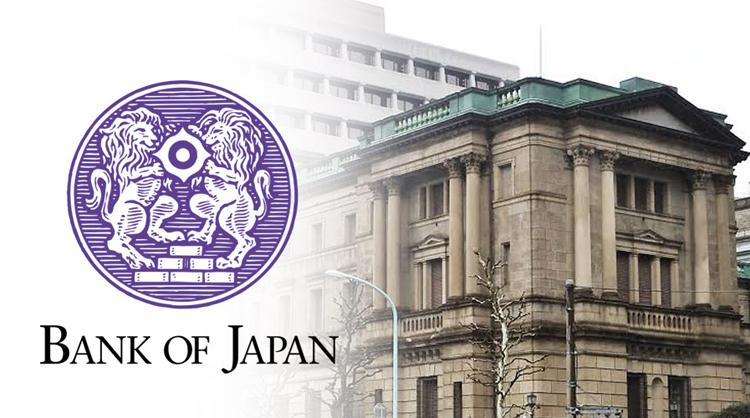
The Bank of Japan (BOJ) is set to raise its short-term policy interest rate to 0.75 per cent from 0.5 per cent at the end of its two-day policy meeting on Friday, taking borrowing costs to their highest level in nearly three decades and reinforcing its gradual exit from years of ultra-loose monetary policy, Prime Business Africa reports.
The expected move would mark the second interest rate hike this year, signalling the central bank’s growing confidence that Japan is finally sustaining a cycle of rising wages and inflation a long-stated prerequisite for policy normalisation.
Inflation has remained above the BOJ’s 2 per cent target for almost four years, driven largely by elevated food prices, while labour shortages have intensified pressure on companies to raise wages. In a rare ad hoc survey released this week, the BOJ said most of its regional branch offices expect firms to continue delivering strong wage increases next year, reinforcing the case for tighter policy.
Join our WhatsApp ChannelREAD ALSO : Egypt’s Inflation Rises to 12.5% in October After Four-Month Decline
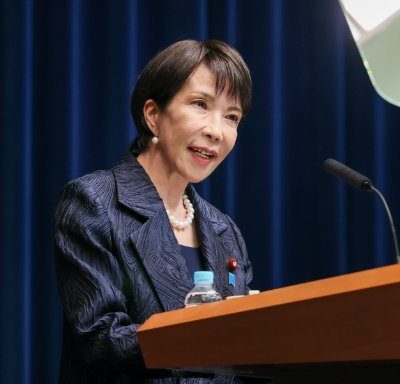
Japan’s Stocks Could Rally Further As Takaichi Becomes First Female PM
Finance Minister Satsuki Katayama indicated government support for the hike, telling reporters there was “no gap in the view on the economy” between the administration and the central bank a signal that policymakers are aligned despite political sensitivities around higher borrowing costs.
Although modest by global standards, the move would represent another symbolic milestone under Governor Kazuo Ueda, who has steadily dismantled the unconventional stimulus framework that defined Japan’s economy for more than a decade.
The BOJ is also expected to signal further rate increases, while avoiding explicit commitments on timing or pace. Officials have stressed that future decisions will remain data-dependent, with careful monitoring of how the economy absorbs each hike.
Markets are now focused on Ueda’s post-meeting news conference for clues on how quickly the central bank intends to guide rates toward what it considers a neutral level, estimated to fall between 1 per cent and 2.5 per cent.
However, policymakers face a delicate balancing act. Analysts say the BOJ must avoid moving too slowly, which could weaken the yen and fuel imported inflation, while also steering clear of aggressive tightening that could dampen consumption and business confidence.
A weaker yen has already amplified price pressures. According to data from private think-tank Teikoku Databank, more than 20,000 food and beverage items saw price increases this year a 64.6 per cent rise from 2024. While the number of price hikes is projected to ease significantly by 2026, economists warn that renewed currency depreciation could reverse that trend.
Japanese authorities have reiterated their readiness to intervene in foreign exchange markets to counter sharp and disorderly yen moves, underscoring a shared concern between the government and the BOJ over excessive currency weakness.
Kei Fujimoto, senior economist at SuMi TRUST, said the yen is unlikely to strengthen materially following the December hike, noting that markets have already priced in the decision and that recent currency weakness has been driven largely by concerns over Japan’s deteriorating fiscal position.
“Both a weak yen and higher interest rates could push up consumer prices, corporate costs and funding expenses, potentially weighing on business sentiment,” Fujimoto said.
As Japan closes the year with another rate increase, the BOJ’s latest step highlights a cautious but determined shift away from extraordinary monetary stimulus a transition closely watched by global markets after decades in which Japan’s near-zero rates shaped international capital flows.

Amanze Chinonye is a Staff Correspondent at Prime Business Africa, a rising star in the literary world, weaving captivating stories that transport readers to the vibrant landscapes of Nigeria and the rest of Africa. With a unique voice that blends with the newspaper's tradition and style, Chinonye's writing is a masterful exploration of the human condition, delving into themes of identity, culture, and social justice. Through her words, Chinonye paints vivid portraits of everyday African life, from the bustling markets of Nigeria's Lagos to the quiet villages of South Africa's countryside . With a keen eye for detail and a deep understanding of the complexities of Nigerian society, Chinonye's writing is both a testament to the country's rich cultural heritage and a powerful call to action for a brighter future. As a writer, Chinonye is a true storyteller, using her dexterity to educate, inspire, and uplift readers around the world.