 Amanze Chinonye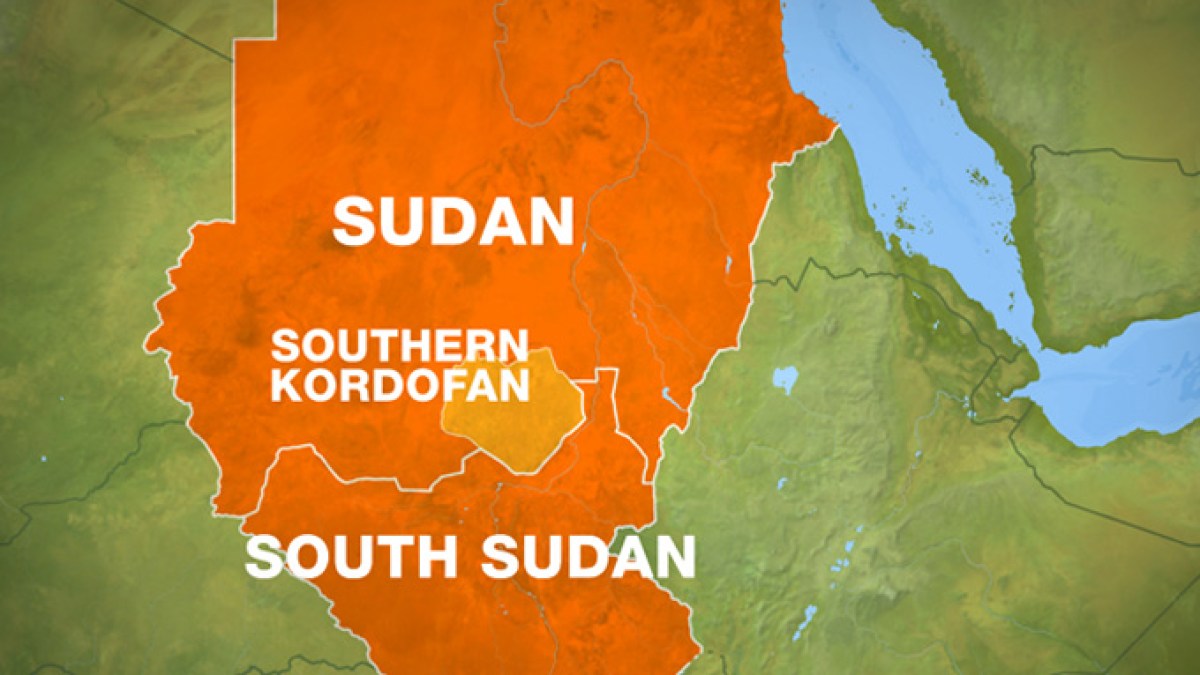
UN High Commissioner for Human Rights Volker Türk has warned that Sudan’s Kordofan region is heading toward a humanitarian disaster reminiscent of the devastating fall of El Fasher in North Darfur, as clashes between the Sudanese Armed Forces (SAF) and the Rapid Support Forces (RSF) intensify across the area.
Sudan has been mired in conflict since April 2023, when a violent breakdown in the power-sharing arrangement between the SAF and RSF plunged the country into full-scale war. The fighting has since devastated several regions, most notably El Fasher, which fell to the RSF last month after a year-long siege marked by mass killings, sexual violence and extensive destruction.
With the conflict now shifting southwards into Kordofan, concerns are mounting that the region could witness a similar pattern of atrocities.
Join our WhatsApp Channel“It is truly shocking to see history repeating itself in Kordofan so soon after the horrific events in El Fasher,” Türk said on Thursday, urging countries with influence over the warring parties to halt the flow of weapons and press for an immediate ceasefire. “We must not allow Kordofan to become another El Fasher.”
RSF Advance Sparks Civilian Deaths
The RSF’s capture of Bara in North Kordofan on 25 October has triggered a new wave of violence. Since then, the UN human rights office (OHCHR) has documented at least 269 civilian deaths linked to aerial bombardment, artillery shelling and summary executions. The real figures are feared to be much higher, as telecommunications shutdowns and insecurity have severely hampered reporting.
OHCHR also reports a surge in retaliatory killings, arbitrary detentions, abductions, sexual violence and the forced recruitment of civilians including children by armed groups.
READ ALSO : Insecurity: Canada slams Travel Alerts On Nigeria, Niger, Sudan, Chad, 13 Other African Nations
U.S. Ends Protected Status for South Sudanese Nationals, Orders 60-Day Exit Window
Communities Besieged, Famine Looming
Humanitarian organisations operating in Sudan issued a joint statement condemning the escalation and warning that ongoing sieges across Kordofan are choking off access to food, medicine and critical services. Aid teams say restrictions on movement have prevented farmers from reaching fields and markets, sharply increasing the risk of famine in the region.
The towns of Kadugli and Dilling in South Kordofan are particularly vulnerable. Both remain under siege by the RSF and allied Sudan People’s Liberation Movement-North (SPLM-N), leaving residents trapped without sufficient food, healthcare or protection. Famine conditions have already been identified in Kadugli.
Recent incidents include:
- An RSF drone strike in El Obeid on 3 November that reportedly killed 45 people.
- An SAF airstrike in Kauda on 29 November that left at least 48 civilians dead.
- Fresh attacks have also been recorded in Babanusa, West Kordofan.
Mass Displacement Intensifies
The renewed assault on Kordofan has displaced more than 45,000 people, adding to what has become one of the world’s largest and fastest-growing humanitarian crises. Across Sudan, an estimated 30 million people now require urgent assistance. Despite the insecurity, aid groups say they have reached around 1.1 million people in Kordofan this year.
‘We Cannot Stand Idly By’
Türk warned that the world must act decisively to prevent a repeat of the atrocities witnessed in El Fasher.
“We cannot remain silent in front of yet another man-made catastrophe,” he said. “Have we not learned our lessons from the past? We must act, and this war must stop now.”
Prime Business Africa continues to follow developments in Sudan as the conflict deepens and fears of mass atrocities in Kordofan escalate.

Amanze Chinonye is a Staff Correspondent at Prime Business Africa, a rising star in the literary world, weaving captivating stories that transport readers to the vibrant landscapes of Nigeria and the rest of Africa. With a unique voice that blends with the newspaper's tradition and style, Chinonye's writing is a masterful exploration of the human condition, delving into themes of identity, culture, and social justice. Through her words, Chinonye paints vivid portraits of everyday African life, from the bustling markets of Nigeria's Lagos to the quiet villages of South Africa's countryside . With a keen eye for detail and a deep understanding of the complexities of Nigerian society, Chinonye's writing is both a testament to the country's rich cultural heritage and a powerful call to action for a brighter future. As a writer, Chinonye is a true storyteller, using her dexterity to educate, inspire, and uplift readers around the world.
- Amanze Chinonye
- Amanze Chinonye
- Amanze Chinonye
- Amanze Chinonye
- Amanze Chinonye
- Amanze Chinonye
- Amanze Chinonye
- Amanze Chinonye
- Amanze Chinonye
- Amanze Chinonye
- Amanze Chinonye
- Amanze Chinonye
- Amanze Chinonye
- Amanze Chinonye
- Amanze Chinonye
- Amanze Chinonye
- Amanze Chinonye
- Amanze Chinonye
- Amanze Chinonye
- Amanze Chinonye
- Amanze Chinonye
- Amanze Chinonye
- Amanze Chinonye
- Amanze Chinonye
- Amanze Chinonye
- Amanze Chinonye
- Amanze Chinonye
- Amanze Chinonye
- Amanze Chinonye
- Amanze Chinonye
- Amanze Chinonye
- Amanze Chinonye
- Amanze Chinonye
- Amanze Chinonye
- Amanze Chinonye
- Amanze Chinonye
- Amanze Chinonye
- Amanze Chinonye
- Amanze Chinonye
- Amanze Chinonye
- Amanze Chinonye
- Amanze Chinonye
- Amanze Chinonye
- Amanze Chinonye
- Amanze Chinonye
- Amanze Chinonye
- Amanze Chinonye
- Amanze Chinonye
- Amanze Chinonye
- Amanze Chinonye
- Amanze Chinonye
- Amanze Chinonye
- Amanze Chinonye
- Amanze Chinonye
- Amanze Chinonye
- Amanze Chinonye
- Amanze Chinonye
- Amanze Chinonye
- Amanze Chinonye
- Amanze Chinonye
- Amanze Chinonye
- Amanze Chinonye
- Amanze Chinonye
- Amanze Chinonye
- Amanze Chinonye
- Amanze Chinonye
- Amanze Chinonye
- Amanze Chinonye
- Amanze Chinonye
- Amanze Chinonye
- Amanze Chinonye
- Amanze Chinonye
- Amanze Chinonye
- Amanze Chinonye
- Amanze Chinonye
- Amanze Chinonye
- Amanze Chinonye
- Amanze Chinonye
- Amanze Chinonye
- Amanze Chinonye
- Amanze Chinonye
- Amanze Chinonye
- Amanze Chinonye
- Amanze Chinonye
- Amanze Chinonye
- Amanze Chinonye
- Amanze Chinonye
- Amanze Chinonye
- Amanze Chinonye
- Amanze Chinonye
- Amanze Chinonye
- Amanze Chinonye
- Amanze Chinonye
- Amanze Chinonye
- Amanze Chinonye
- Amanze Chinonye
- Amanze Chinonye
- Amanze Chinonye
- Amanze Chinonye
- Amanze Chinonye
- Amanze Chinonye
- Amanze Chinonye
- Amanze Chinonye
- Amanze Chinonye
- Amanze Chinonye
- Amanze Chinonye
- Amanze Chinonye
- Amanze Chinonye
- Amanze Chinonye
- Amanze Chinonye
- Amanze Chinonye
- Amanze Chinonye
- Amanze Chinonye
- Amanze Chinonye
- Amanze Chinonye
- Amanze Chinonye
- Amanze Chinonye
- Amanze Chinonye
- Amanze Chinonye
- Amanze Chinonye
- Amanze Chinonye
- Amanze Chinonye
- Amanze Chinonye
- Amanze Chinonye
- Amanze Chinonye
- Amanze Chinonye
- Amanze Chinonye
- Amanze Chinonye
- Amanze Chinonye
- Amanze Chinonye
- Amanze Chinonye
- Amanze Chinonye
- Amanze Chinonye
- Amanze Chinonye
- Amanze Chinonye
- Amanze Chinonye
- Amanze Chinonye
- Amanze Chinonye
- Amanze Chinonye
- Amanze Chinonye
- Amanze Chinonye