 Amanze Chinonye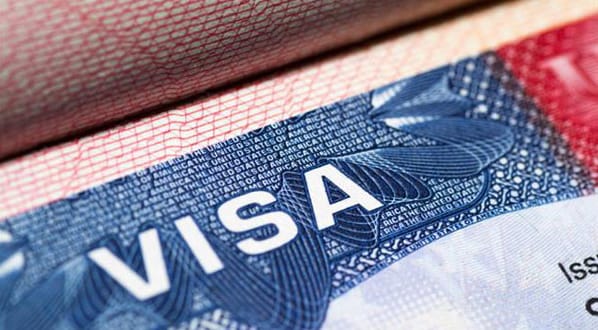
The United States has announced a suspension of immigrant visa processing for nationals of 75 countries, as the Trump administration implements stricter screening rules for applicants potentially reliant on government assistance.
The U.S. Department of State confirmed on Wednesday that the suspension will take effect from January 21, 2026, affecting applicants from countries including Nigeria, Afghanistan, Iran, Russia, Somalia, Brazil, Thailand, and Yemen.
U.S. embassies and consulates worldwide have been instructed to pause immigrant visa applications from the affected countries while officials reassess screening procedures.
Join our WhatsApp ChannelThe decision is based on the long-standing “public charge” rule, which allows U.S. authorities to deny permanent residency or immigrant visas to applicants who may become dependent on government benefits.
While legally grounded, the designation is largely preventive, reflecting a risk assessment rather than confirmed statistical evidence that nationals from these countries are more likely to rely on public assistance than others.
READ ALSO : 15 Things Nigerians Need to Know About the Latest U.S. Visa Restrictions
Niger Imposes Indefinite Visa Ban on U.S. Citizens Over Reciprocity Concerns
Officials clarified that non-immigrant visas, including tourist, business, and other temporary travel visas, are not affected by the pause. Processing for these categories will continue, a measure seen as particularly relevant with the 2026 FIFA World Cup and 2028 Olympic Games on the horizon, events expected to drive increased travel demand.
Under the revised guidelines, consular officers will conduct expanded assessments of applicants’ age, health, family situation, finances, education, professional skills, and English proficiency. They must also consider any previous use of public benefits. Immigrant visa applicants already undergo medical checks, vaccinations, and background screening, but the new measures give consular officers broader discretion in determining eligibility.
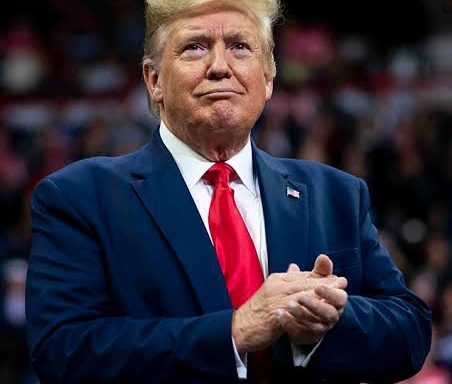
The visa suspension is part of a broader tightening pursued by President Donald Trump since returning to office, which has included stricter screening, revocation of previously issued visas, and increased scrutiny of both legal and illegal immigration pathways.
State Department Principal Deputy Spokesperson Tommy Pigott emphasized that the policy relies on the government’s authority to assess potential applicants’ likelihood of self-sufficiency.
Immigration experts have warned that the suspension could significantly reduce lawful migration, potentially affecting family reunifications and employment-based immigration. Critics note that while the public charge rule is legally valid, its application may disadvantage applicants based on economic background or nationality rather than actual reliance on welfare programs.
The 75 countries affected by the suspension are:
- Afghanistan
- Albania
- Algeria
- Antigua and Barbuda
- Armenia
- Azerbaijan
- Bahamas
- Bangladesh
- Barbados
- Belarus
- Belize
- Bhutan
- Bosnia
- Brazil
- Myanmar
- Cambodia
- Cameroon
- Cape Verde
- Colombia
- Congo
- Cuba
- Dominica
- Egypt
- Eritrea
- Ethiopia
- Fiji
- Gambia
- Georgia
- Ghana
- Grenada
- Guatemala
- Guinea
- Haiti
- Iran
- Iraq
- Ivory Coast
- Jamaica
- Jordan
- Kazakhstan
- Kosovo
- Kuwait
- Kyrgyzstan
- Laos
- Lebanon
- Liberia
- Libya
- North Macedonia
- Moldova
- Mongolia
- Montenegro
- Morocco
- Nepal
- Nicaragua
- Nigeria
- Pakistan
- Republic of the Congo
- Russia
- Rwanda
- Saint Kitts and Nevis
- Saint Lucia
- Saint Vincent and the Grenadines
- Senegal
- Sierra Leone
- Somalia
- South Sudan
- Sudan
- Syria
- Tanzania
- Thailand
- Togo
- Tunisia
- Uganda
- Uruguay
- Uzbekistan
- Yemen

Amanze Chinonye is a Staff Correspondent at Prime Business Africa, a rising star in the literary world, weaving captivating stories that transport readers to the vibrant landscapes of Nigeria and the rest of Africa. With a unique voice that blends with the newspaper's tradition and style, Chinonye's writing is a masterful exploration of the human condition, delving into themes of identity, culture, and social justice. Through her words, Chinonye paints vivid portraits of everyday African life, from the bustling markets of Nigeria's Lagos to the quiet villages of South Africa's countryside . With a keen eye for detail and a deep understanding of the complexities of Nigerian society, Chinonye's writing is both a testament to the country's rich cultural heritage and a powerful call to action for a brighter future. As a writer, Chinonye is a true storyteller, using her dexterity to educate, inspire, and uplift readers around the world.
- Amanze Chinonye
- Amanze Chinonye
- Amanze Chinonye
- Amanze Chinonye
- Amanze Chinonye
- Amanze Chinonye
- Amanze Chinonye
- Amanze Chinonye
- Amanze Chinonye
- Amanze Chinonye
- Amanze Chinonye
- Amanze Chinonye
- Amanze Chinonye
- Amanze Chinonye
- Amanze Chinonye
- Amanze Chinonye
- Amanze Chinonye
- Amanze Chinonye
- Amanze Chinonye
- Amanze Chinonye
- Amanze Chinonye
- Amanze Chinonye
- Amanze Chinonye
- Amanze Chinonye
- Amanze Chinonye
- Amanze Chinonye
- Amanze Chinonye
- Amanze Chinonye
- Amanze Chinonye
- Amanze Chinonye
- Amanze Chinonye
- Amanze Chinonye
- Amanze Chinonye
- Amanze Chinonye
- Amanze Chinonye
- Amanze Chinonye
- Amanze Chinonye
- Amanze Chinonye
- Amanze Chinonye
- Amanze Chinonye
- Amanze Chinonye
- Amanze Chinonye
- Amanze Chinonye
- Amanze Chinonye
- Amanze Chinonye
- Amanze Chinonye
- Amanze Chinonye
- Amanze Chinonye
- Amanze Chinonye
- Amanze Chinonye
- Amanze Chinonye
- Amanze Chinonye
- Amanze Chinonye
- Amanze Chinonye
- Amanze Chinonye
- Amanze Chinonye
- Amanze Chinonye
- Amanze Chinonye
- Amanze Chinonye
- Amanze Chinonye
- Amanze Chinonye
- Amanze Chinonye
- Amanze Chinonye
- Amanze Chinonye
- Amanze Chinonye
- Amanze Chinonye
- Amanze Chinonye
- Amanze Chinonye
- Amanze Chinonye
- Amanze Chinonye
- Amanze Chinonye
- Amanze Chinonye
- Amanze Chinonye
- Amanze Chinonye
- Amanze Chinonye
- Amanze Chinonye
- Amanze Chinonye
- Amanze Chinonye
- Amanze Chinonye
- Amanze Chinonye
- Amanze Chinonye
- Amanze Chinonye
- Amanze Chinonye
- Amanze Chinonye
- Amanze Chinonye
- Amanze Chinonye
- Amanze Chinonye
- Amanze Chinonye
- Amanze Chinonye
- Amanze Chinonye
- Amanze Chinonye
- Amanze Chinonye
- Amanze Chinonye
- Amanze Chinonye
- Amanze Chinonye
- Amanze Chinonye
- Amanze Chinonye
- Amanze Chinonye
- Amanze Chinonye
- Amanze Chinonye
- Amanze Chinonye
- Amanze Chinonye
- Amanze Chinonye
- Amanze Chinonye
- Amanze Chinonye
- Amanze Chinonye
- Amanze Chinonye
- Amanze Chinonye
- Amanze Chinonye
- Amanze Chinonye
- Amanze Chinonye
- Amanze Chinonye
- Amanze Chinonye
- Amanze Chinonye
- Amanze Chinonye
- Amanze Chinonye
- Amanze Chinonye
- Amanze Chinonye
- Amanze Chinonye
- Amanze Chinonye
- Amanze Chinonye
- Amanze Chinonye
- Amanze Chinonye
- Amanze Chinonye
- Amanze Chinonye
- Amanze Chinonye
- Amanze Chinonye
- Amanze Chinonye
- Amanze Chinonye
- Amanze Chinonye
- Amanze Chinonye
- Amanze Chinonye
- Amanze Chinonye
- Amanze Chinonye
- Amanze Chinonye
- Amanze Chinonye
- Amanze Chinonye
- Amanze Chinonye
- Amanze Chinonye