 Amanze Chinonye
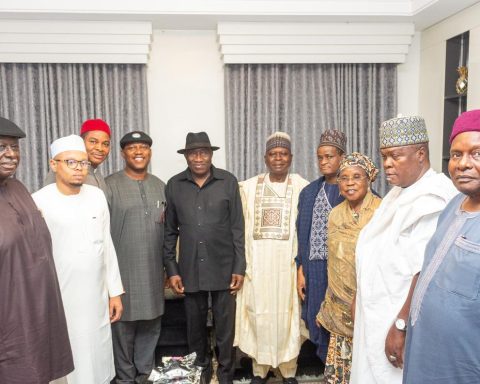
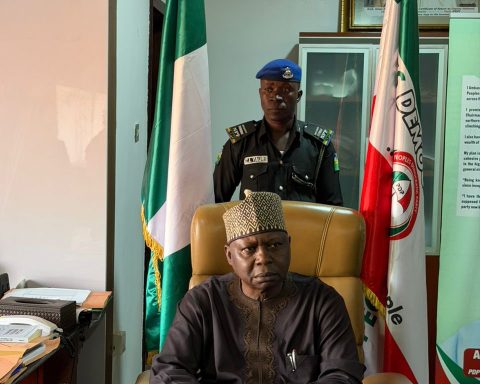
The Peoples Democratic Party (PDP) on Tuesday in Abuja formally concluded its leadership transition as former National Chairman, Ambassador Umar Iliya Damagum, handed over the party’s affairs to the newly elected National Chairman, Kabiru Tanimu Turaki, SAN.
Turaki, who emerged at the party’s National Convention held on 16 November 2025 in Ibadan, takes office at a critical moment for the PDP, which has spent the past two years grappling with internal divisions, loyalty battles, and accusations of covert alliances with the ruling All Progressives Congress (APC).
Damagum’s tenure as acting chairman had faced criticism from party stakeholders who believed he did not act decisively enough against members accused of working against the PDP’s interest.
Join our WhatsApp ChannelAddressing an enlarged meeting of the National Working Committee (NWC) and other stakeholders after the handover, Turaki declared that the party remained resilient despite the turbulence of recent years.
READ ALSO : PDP Proceeds With Convention in Defiance of Court Order, Expels Wike, Fayose, Anyanwu, Others
Anyanwu Rejects PDP Expulsion, Says Ibadan Convention ‘Invalid’, Politically Motivated
“The PDP will never die. This party is bigger than any individual or group of individuals,” he said. “Those who have chosen to dine with our opponents while still wearing our colours have been shown the way out. This is the beginning of a disciplined, united, and purposeful opposition that will rescue Nigeria in 2027.”
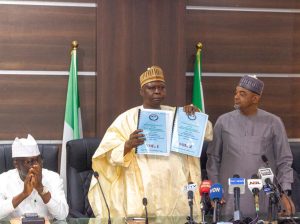
Damagum, in his farewell remarks, expressed gratitude on behalf of the outgoing NWC and pledged to support the party’s ongoing reforms aimed at rebuilding unity and strengthening internal structures.
The latest shake-up also includes the issuance of certificates of expulsion to the Minister of the Federal Capital Territory, Nyesom Ezenwo Wike, and several others accused of persistent anti-party activities. Their expulsion marks the culmination of a long-running internal conflict dating back to the aftermath of the 2023 elections, when Wike a key member of the G-5 governors bloc openly opposed the PDP presidential candidate and later accepted an appointment in the APC-led federal government.

Others expelled were similarly accused of working against PDP candidates, collaborating with APC structures, and undermining party leadership from within. Their removal was ratified during the Ibadan Convention under Article 59(3) of the PDP Constitution (as amended in 2017) and is described by the party as “final and irrevocable.”
Those expelled include:
1. Nyesom Ezenwo Wike, Minister of the FCT
2. Samuel Anyanwu, former National Secretary
3. Kamaldeen Ajibade, SAN, former National Legal Adviser
4. Umar Bature, former National Organising Secretary
5. Abdulrahman Mohammed, former National Vice Chairman (North Central)
6. Ayo Fayose, former Governor of Ekiti State
7. George Turner
8. Austin Nwachukwu, former Imo State Chairman
9. Abraham Amah, former Abia State Chairman
… and others.
The sweeping disciplinary action is one of the most decisive in the party’s history and reflects mounting pressure from governors, lawmakers, and key stakeholders for stronger enforcement of internal discipline ahead of the 2027 general elections. Party insiders say the leadership viewed the clean-up as necessary to prevent further sabotage and restore authority within the ranks.
Outlining his priorities, Turaki promised to embark on immediate reconciliation among “genuine members,” rebuild party structures across the 36 states and the FCT, and enforce discipline without fear or favour.
“The PDP is alive, strong, and marching to victory in 2027. No amount of money, blackmail, or intimidation will stop us,” the chairman declared.
The developments signal a repositioning within the PDP as it attempts to reclaim national relevance and present a united opposition to the APC-led administration in the coming election cycle.

Amanze Chinonye is a Staff Correspondent at Prime Business Africa, a rising star in the literary world, weaving captivating stories that transport readers to the vibrant landscapes of Nigeria and the rest of Africa. With a unique voice that blends with the newspaper's tradition and style, Chinonye's writing is a masterful exploration of the human condition, delving into themes of identity, culture, and social justice. Through her words, Chinonye paints vivid portraits of everyday African life, from the bustling markets of Nigeria's Lagos to the quiet villages of South Africa's countryside . With a keen eye for detail and a deep understanding of the complexities of Nigerian society, Chinonye's writing is both a testament to the country's rich cultural heritage and a powerful call to action for a brighter future. As a writer, Chinonye is a true storyteller, using her dexterity to educate, inspire, and uplift readers around the world.
- Amanze Chinonye
- Amanze Chinonye
- Amanze Chinonye
- Amanze Chinonye
- Amanze Chinonye
- Amanze Chinonye
- Amanze Chinonye
- Amanze Chinonye
- Amanze Chinonye
- Amanze Chinonye
- Amanze Chinonye
- Amanze Chinonye
- Amanze Chinonye
- Amanze Chinonye
- Amanze Chinonye
- Amanze Chinonye
- Amanze Chinonye
- Amanze Chinonye
- Amanze Chinonye
- Amanze Chinonye
- Amanze Chinonye
- Amanze Chinonye
- Amanze Chinonye
- Amanze Chinonye
- Amanze Chinonye
- Amanze Chinonye
- Amanze Chinonye
- Amanze Chinonye
- Amanze Chinonye
- Amanze Chinonye
- Amanze Chinonye
- Amanze Chinonye
- Amanze Chinonye
- Amanze Chinonye
- Amanze Chinonye
- Amanze Chinonye
- Amanze Chinonye
- Amanze Chinonye
- Amanze Chinonye
- Amanze Chinonye
- Amanze Chinonye
- Amanze Chinonye
- Amanze Chinonye
- Amanze Chinonye
- Amanze Chinonye
- Amanze Chinonye
- Amanze Chinonye
- Amanze Chinonye
- Amanze Chinonye
- Amanze Chinonye
- Amanze Chinonye
- Amanze Chinonye
- Amanze Chinonye
- Amanze Chinonye
- Amanze Chinonye
- Amanze Chinonye
- Amanze Chinonye
- Amanze Chinonye
- Amanze Chinonye
- Amanze Chinonye
- Amanze Chinonye
- Amanze Chinonye
- Amanze Chinonye
- Amanze Chinonye
- Amanze Chinonye
- Amanze Chinonye
- Amanze Chinonye
- Amanze Chinonye
- Amanze Chinonye
- Amanze Chinonye
- Amanze Chinonye
- Amanze Chinonye
- Amanze Chinonye
- Amanze Chinonye
- Amanze Chinonye
- Amanze Chinonye
- Amanze Chinonye
- Amanze Chinonye
- Amanze Chinonye
- Amanze Chinonye
- Amanze Chinonye
- Amanze Chinonye
- Amanze Chinonye
- Amanze Chinonye
- Amanze Chinonye
- Amanze Chinonye
- Amanze Chinonye
- Amanze Chinonye
- Amanze Chinonye
- Amanze Chinonye
- Amanze Chinonye
- Amanze Chinonye
- Amanze Chinonye
- Amanze Chinonye
- Amanze Chinonye
- Amanze Chinonye
- Amanze Chinonye
- Amanze Chinonye
- Amanze Chinonye
- Amanze Chinonye
- Amanze Chinonye
- Amanze Chinonye
- Amanze Chinonye
- Amanze Chinonye
- Amanze Chinonye
- Amanze Chinonye
- Amanze Chinonye
- Amanze Chinonye
- Amanze Chinonye
- Amanze Chinonye
- Amanze Chinonye
- Amanze Chinonye
- Amanze Chinonye
- Amanze Chinonye
- Amanze Chinonye
- Amanze Chinonye
- Amanze Chinonye
- Amanze Chinonye
- Amanze Chinonye
- Amanze Chinonye
- Amanze Chinonye
- Amanze Chinonye
- Amanze Chinonye
- Amanze Chinonye
- Amanze Chinonye
- Amanze Chinonye
- Amanze Chinonye
- Amanze Chinonye
- Amanze Chinonye
- Amanze Chinonye
- Amanze Chinonye
- Amanze Chinonye
- Amanze Chinonye
- Amanze Chinonye
- Amanze Chinonye
- Amanze Chinonye
- Amanze Chinonye
- Amanze Chinonye
- Amanze Chinonye
- Amanze Chinonye
- Amanze Chinonye