 Amanze Chinonye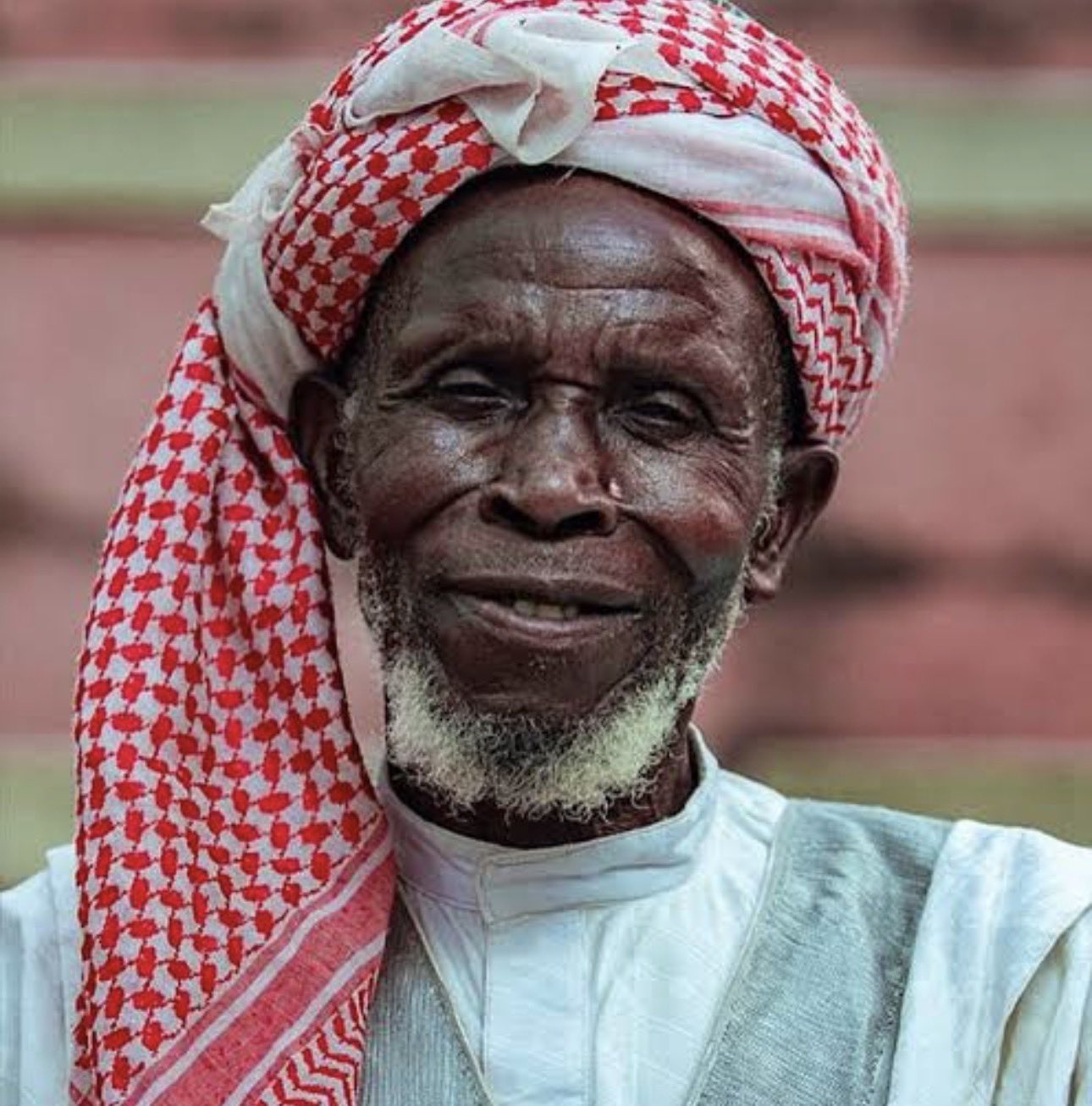
When violence engulfed parts of Plateau State in 2018, turning neighbour against neighbour along religious and communal lines, one elderly imam in Nghar village made a choice that would echo far beyond his community and far beyond Nigeria.
Imam Abdullahi Abubakar, the Chief Imam of Nghar village in Barkin Ladi Local Government Area, opened his home and mosque to more than 200 Christians fleeing murderous attacks. At 84 years old then, he stood between armed assailants and terrified families, insisting they would have to kill him first before reaching those he sheltered.
That act of defiance against hate transformed him from a little-known village cleric into a global symbol of interfaith courage.
Join our WhatsApp ChannelImam Abubakar passed away on January 16, 2026, at the age of 92. His death has drawn tributes from across Nigeria and beyond, including from President Tinubu, who described him as “a courageous servant of God” and “an extraordinary religious leader whose life testified to the sacredness of human life.”
A moment that defined a legacy
Plateau State has long been a flashpoint for violent clashes, often framed along ethnic and religious divisions. In June 2018, coordinated attacks on predominantly Christian communities in Barkin Ladi and surrounding areas left scores dead and thousands displaced.
As mobs advanced, Imam Abubakar gathered fleeing residents men, women and children and hid them in his house and mosque. According to eyewitnesses, when attackers demanded the Christians be handed over, the imam refused, telling them they would have to kill him instead.
The attackers eventually withdrew.
News of the incident spread rapidly, sparking widespread admiration in a country often weary of sectarian violence. International media outlets profiled the imam, while human rights organisations hailed his actions as a rare and powerful example of moral clarity amid chaos.
READ ALSO : Plateau Gov Mutfwang Decries Fresh Killings, Demands Urgent Security Review
“True faith speaks louder than sermons”
In his condolence message, President Tinubu said Imam Abubakar’s actions embodied the highest ideals of religion.
“At such a time when tribal and religious tendencies seemed to overwhelm reason, Imam Abubakar stood firmly on the side of peace, benevolence and conscience,” the President said.
“Mindless of the enormous risk to his own life, the noble cleric chose humanity over division, love as opposed to hatred and embrace rather than rejection.”
The President noted that the imam’s bravery earned him local and international honours, recognising his commitment to peaceful coexistence and mutual respect among people of different faiths.
CAN: A bridge-builder beyond religion
The Christian Association of Nigeria (CAN) also paid glowing tribute to the late cleric, describing him as an extraordinary religious leader whose life transcended sectarian boundaries.
In a statement signed by its President, Archbishop Daniel Okoh, CAN recalled the Imam’s “rare act of moral bravery” in saving 262 Christians during the 2018 violence, describing it as a powerful affirmation of the sanctity of human life.
According to the association, Imam Abubakar’s actions went beyond rescuing lives; they helped strengthen interfaith harmony and restore hope in a society fractured by suspicion and hatred.
CAN described the late Imam as a bridge-builder and a living symbol of the true essence of religion one rooted in love, compassion and conscience.
In recognition of his sacrifice, the association honoured him with an award during its Sapphire Anniversary celebrations in 2021.
A quiet life, a loud message
Despite global recognition, those close to Imam Abubakar often described him as a deeply humble man who resisted being celebrated as a hero. He consistently framed his actions as a religious obligation rather than an extraordinary deed, insisting that protecting innocent life lay at the heart of both Islam and shared human values.
Community leaders in Barkin Ladi say his influence helped ease tensions in the years following the 2018 violence, serving as a reminder that faith could be a bridge rather than a weapon.
President Tinubu, in his statement, urged religious and community leaders across the country to emulate the late cleric’s example by preaching tolerance and peaceful coexistence.
An enduring example
In a nation grappling with insecurity and polarisation, Imam Abdullahi Abubakar’s life offers a stark counter-narrative one in which courage is measured not by force, but by compassion.
As tributes continue to pour in, many Nigerians say his legacy lies not only in the lives he saved, but in the uncomfortable moral question he posed to the world: when hatred demands compliance, who will stand in its way?
For Imam Abubakar, the answer was simple and costly. He stood his ground, and history stood with him.

Amanze Chinonye is a Staff Correspondent at Prime Business Africa, a rising star in the literary world, weaving captivating stories that transport readers to the vibrant landscapes of Nigeria and the rest of Africa. With a unique voice that blends with the newspaper's tradition and style, Chinonye's writing is a masterful exploration of the human condition, delving into themes of identity, culture, and social justice. Through her words, Chinonye paints vivid portraits of everyday African life, from the bustling markets of Nigeria's Lagos to the quiet villages of South Africa's countryside . With a keen eye for detail and a deep understanding of the complexities of Nigerian society, Chinonye's writing is both a testament to the country's rich cultural heritage and a powerful call to action for a brighter future. As a writer, Chinonye is a true storyteller, using her dexterity to educate, inspire, and uplift readers around the world.
- Amanze Chinonye
- Amanze Chinonye
- Amanze Chinonye
- Amanze Chinonye
- Amanze Chinonye
- Amanze Chinonye
- Amanze Chinonye
- Amanze Chinonye
- Amanze Chinonye
- Amanze Chinonye
- Amanze Chinonye
- Amanze Chinonye
- Amanze Chinonye
- Amanze Chinonye
- Amanze Chinonye
- Amanze Chinonye
- Amanze Chinonye
- Amanze Chinonye
- Amanze Chinonye
- Amanze Chinonye
- Amanze Chinonye
- Amanze Chinonye
- Amanze Chinonye
- Amanze Chinonye
- Amanze Chinonye
- Amanze Chinonye
- Amanze Chinonye
- Amanze Chinonye
- Amanze Chinonye
- Amanze Chinonye
- Amanze Chinonye
- Amanze Chinonye
- Amanze Chinonye
- Amanze Chinonye
- Amanze Chinonye
- Amanze Chinonye
- Amanze Chinonye
- Amanze Chinonye
- Amanze Chinonye
- Amanze Chinonye
- Amanze Chinonye
- Amanze Chinonye
- Amanze Chinonye
- Amanze Chinonye
- Amanze Chinonye
- Amanze Chinonye
- Amanze Chinonye
- Amanze Chinonye
- Amanze Chinonye
- Amanze Chinonye
- Amanze Chinonye
- Amanze Chinonye
- Amanze Chinonye
- Amanze Chinonye
- Amanze Chinonye
- Amanze Chinonye
- Amanze Chinonye
- Amanze Chinonye
- Amanze Chinonye
- Amanze Chinonye
- Amanze Chinonye
- Amanze Chinonye
- Amanze Chinonye
- Amanze Chinonye
- Amanze Chinonye
- Amanze Chinonye
- Amanze Chinonye
- Amanze Chinonye
- Amanze Chinonye
- Amanze Chinonye
- Amanze Chinonye
- Amanze Chinonye
- Amanze Chinonye
- Amanze Chinonye
- Amanze Chinonye
- Amanze Chinonye
- Amanze Chinonye
- Amanze Chinonye
- Amanze Chinonye
- Amanze Chinonye
- Amanze Chinonye
- Amanze Chinonye
- Amanze Chinonye
- Amanze Chinonye
- Amanze Chinonye
- Amanze Chinonye
- Amanze Chinonye
- Amanze Chinonye
- Amanze Chinonye
- Amanze Chinonye
- Amanze Chinonye
- Amanze Chinonye
- Amanze Chinonye
- Amanze Chinonye
- Amanze Chinonye
- Amanze Chinonye
- Amanze Chinonye
- Amanze Chinonye
- Amanze Chinonye
- Amanze Chinonye
- Amanze Chinonye
- Amanze Chinonye
- Amanze Chinonye
- Amanze Chinonye
- Amanze Chinonye
- Amanze Chinonye
- Amanze Chinonye
- Amanze Chinonye
- Amanze Chinonye
- Amanze Chinonye
- Amanze Chinonye
- Amanze Chinonye
- Amanze Chinonye
- Amanze Chinonye
- Amanze Chinonye
- Amanze Chinonye
- Amanze Chinonye
- Amanze Chinonye
- Amanze Chinonye
- Amanze Chinonye
- Amanze Chinonye
- Amanze Chinonye
- Amanze Chinonye
- Amanze Chinonye
- Amanze Chinonye
- Amanze Chinonye
- Amanze Chinonye
- Amanze Chinonye
- Amanze Chinonye
- Amanze Chinonye
- Amanze Chinonye
- Amanze Chinonye
- Amanze Chinonye
- Amanze Chinonye
- Amanze Chinonye
- Amanze Chinonye
- Amanze Chinonye
- Amanze Chinonye
- Amanze Chinonye
- Amanze Chinonye
- Amanze Chinonye