 Amanze Chinonye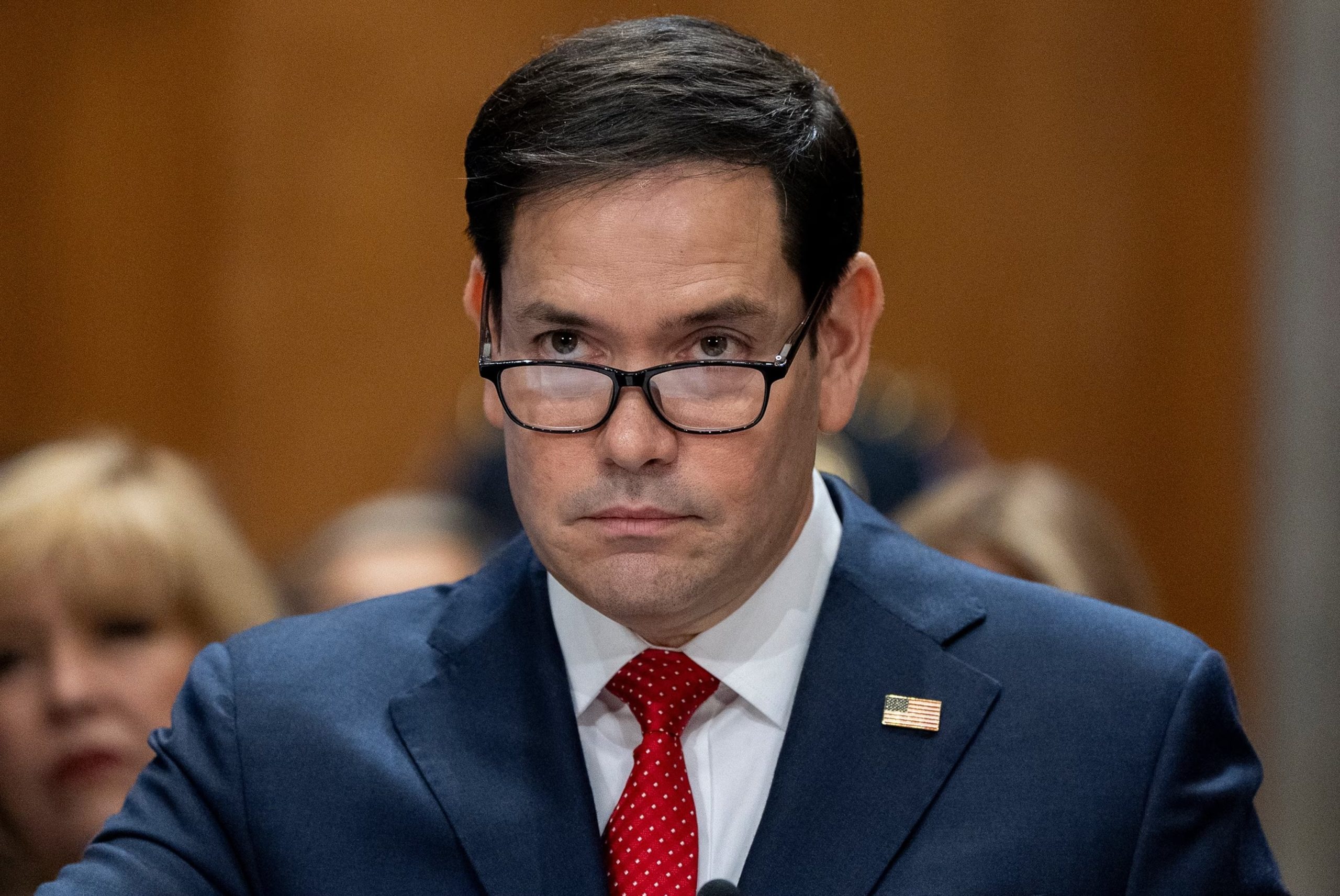
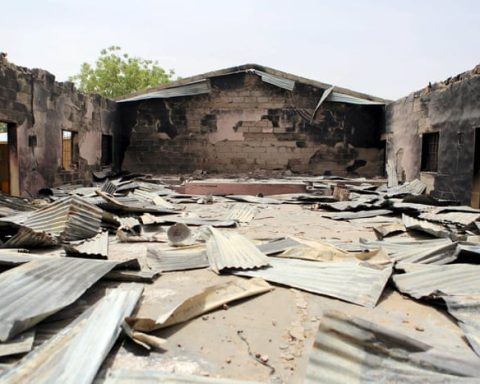
The United States has announced sweeping visa restrictions on Nigerians and their family members implicated in mass killings and targeted violence against Christian communities, marking one of Washington’s strongest interventions yet in Nigeria’s deepening security challenges, Prime Business Africa reports.
U.S. Secretary of State Marco Rubio said the measure anchored in the Immigration and Nationality Act will apply to individuals who “knowingly direct, authorize, fund, support, or carry out violations of religious freedom,” including extremist groups, ethnic militias, and other actors responsible for sectarian attacks.
“The United States is taking decisive action in response to the mass killings and violence against Christians by radical Islamic terrorists, Fulani ethnic militias, and other violent actors in Nigeria and beyond,” Rubio said in a statement released Wednesday.
Join our WhatsApp ChannelREAD ALSO : US Congress Criticizes Nigeria Over Inaction Amid Alleged Christian Persecution
Hegseth, Ribadu Meet at Pentagon as U.S. Pressures Nigeria to Act on Killings of Christians
The restrictions extend to immediate family members of offenders, underscoring Washington’s push to broaden accountability for religiously motivated violence, and Rubio noted that similar measures will apply globally to governments and individuals found guilty of comparable abuses.
The announcement follows Nigeria’s designation last month as a Country of Particular Concern under the International Religious Freedom Act, placing it in a category reserved for nations where violations are deemed systematic and severe.
The decision came as U.S. President Donald Trump intensified criticism of Nigeria’s handling of religious violence, repeatedly lamenting “the killing of Christians” by extremist elements. Trump recently disclosed that he had directed the Pentagon to begin preliminary planning for potential military options in response to rising concerns over Christian persecution.
Nigeria’s violence, however, is rooted in multiple overlapping crises. While Christian communities have suffered targeted attacks, analysts warn against framing the situation solely through a religious lens. The country of more than 220 million people almost evenly divided between Christians and Muslims faces a complex mix of threats, including farmer–herder clashes driven by shrinking resources, communal and ethnic tensions across several regions, and the expanding operations of armed gangs in central states that routinely carry out mass kidnappings for ransom.
In the northeast, Boko Haram and ISIS-affiliated groups continue to wage an insurgency targeting both Christians and Muslims they deem insufficiently aligned with their extremist ideology.
Despite the sweeping scope of Rubio’s announcement, it remains unclear how the new visa restrictions will differ from existing U.S. mechanisms already used to block individuals linked to human rights abuses. The State Department did not specify how offenders will be identified or whether any new investigative tools will be deployed. However, officials insist the move signals Washington’s readiness to escalate consequences for those driving religiously motivated violence.
The Nigerian government has yet to formally respond to the development. Authorities in Abuja have consistently rejected claims of state-enabled religious persecution, arguing instead that insecurity is driven by economic hardship, climate pressure, criminality, and political grievances rather than deliberate targeting of any faith group.
The United States maintains that the visa restrictions are targeted and will not affect ordinary Nigerians.
The policy takes immediate effect and reflects growing international pressure on Nigeria’s leadership to address the rising tide of violence affecting religious communities nationwide.

Amanze Chinonye is a Staff Correspondent at Prime Business Africa, a rising star in the literary world, weaving captivating stories that transport readers to the vibrant landscapes of Nigeria and the rest of Africa. With a unique voice that blends with the newspaper's tradition and style, Chinonye's writing is a masterful exploration of the human condition, delving into themes of identity, culture, and social justice. Through her words, Chinonye paints vivid portraits of everyday African life, from the bustling markets of Nigeria's Lagos to the quiet villages of South Africa's countryside . With a keen eye for detail and a deep understanding of the complexities of Nigerian society, Chinonye's writing is both a testament to the country's rich cultural heritage and a powerful call to action for a brighter future. As a writer, Chinonye is a true storyteller, using her dexterity to educate, inspire, and uplift readers around the world.
- Amanze Chinonye
- Amanze Chinonye
- Amanze Chinonye
- Amanze Chinonye
- Amanze Chinonye
- Amanze Chinonye
- Amanze Chinonye
- Amanze Chinonye
- Amanze Chinonye
- Amanze Chinonye
- Amanze Chinonye
- Amanze Chinonye
- Amanze Chinonye
- Amanze Chinonye
- Amanze Chinonye
- Amanze Chinonye
- Amanze Chinonye
- Amanze Chinonye
- Amanze Chinonye
- Amanze Chinonye
- Amanze Chinonye
- Amanze Chinonye
- Amanze Chinonye
- Amanze Chinonye
- Amanze Chinonye
- Amanze Chinonye
- Amanze Chinonye
- Amanze Chinonye
- Amanze Chinonye
- Amanze Chinonye
- Amanze Chinonye
- Amanze Chinonye
- Amanze Chinonye
- Amanze Chinonye
- Amanze Chinonye
- Amanze Chinonye
- Amanze Chinonye
- Amanze Chinonye
- Amanze Chinonye
- Amanze Chinonye
- Amanze Chinonye
- Amanze Chinonye
- Amanze Chinonye
- Amanze Chinonye
- Amanze Chinonye
- Amanze Chinonye
- Amanze Chinonye
- Amanze Chinonye
- Amanze Chinonye
- Amanze Chinonye
- Amanze Chinonye
- Amanze Chinonye
- Amanze Chinonye
- Amanze Chinonye
- Amanze Chinonye
- Amanze Chinonye
- Amanze Chinonye
- Amanze Chinonye
- Amanze Chinonye
- Amanze Chinonye
- Amanze Chinonye
- Amanze Chinonye
- Amanze Chinonye
- Amanze Chinonye
- Amanze Chinonye
- Amanze Chinonye
- Amanze Chinonye
- Amanze Chinonye
- Amanze Chinonye
- Amanze Chinonye
- Amanze Chinonye
- Amanze Chinonye
- Amanze Chinonye
- Amanze Chinonye
- Amanze Chinonye
- Amanze Chinonye
- Amanze Chinonye
- Amanze Chinonye
- Amanze Chinonye
- Amanze Chinonye
- Amanze Chinonye
- Amanze Chinonye
- Amanze Chinonye
- Amanze Chinonye
- Amanze Chinonye
- Amanze Chinonye
- Amanze Chinonye
- Amanze Chinonye
- Amanze Chinonye
- Amanze Chinonye
- Amanze Chinonye
- Amanze Chinonye
- Amanze Chinonye
- Amanze Chinonye
- Amanze Chinonye
- Amanze Chinonye
- Amanze Chinonye
- Amanze Chinonye
- Amanze Chinonye
- Amanze Chinonye
- Amanze Chinonye
- Amanze Chinonye
- Amanze Chinonye
- Amanze Chinonye
- Amanze Chinonye
- Amanze Chinonye
- Amanze Chinonye
- Amanze Chinonye
- Amanze Chinonye
- Amanze Chinonye
- Amanze Chinonye
- Amanze Chinonye
- Amanze Chinonye
- Amanze Chinonye
- Amanze Chinonye
- Amanze Chinonye
- Amanze Chinonye
- Amanze Chinonye
- Amanze Chinonye
- Amanze Chinonye
- Amanze Chinonye
- Amanze Chinonye
- Amanze Chinonye
- Amanze Chinonye
- Amanze Chinonye
- Amanze Chinonye
- Amanze Chinonye
- Amanze Chinonye
- Amanze Chinonye
- Amanze Chinonye
- Amanze Chinonye
- Amanze Chinonye
- Amanze Chinonye
- Amanze Chinonye
- Amanze Chinonye
- Amanze Chinonye
- Amanze Chinonye
- Amanze Chinonye
- Amanze Chinonye
- Amanze Chinonye
- Amanze Chinonye