 Amanze Chinonye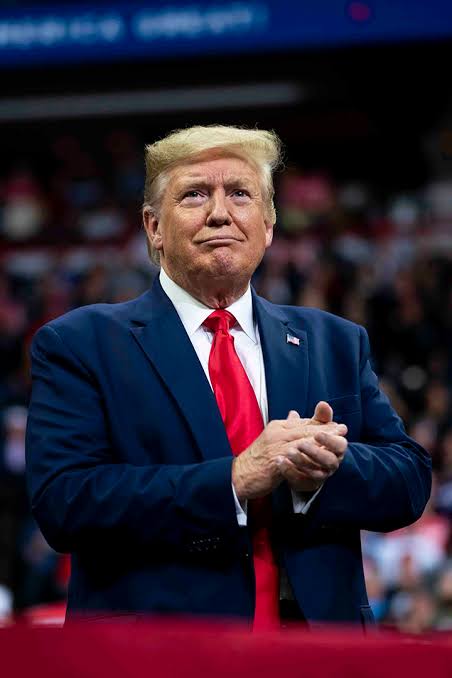
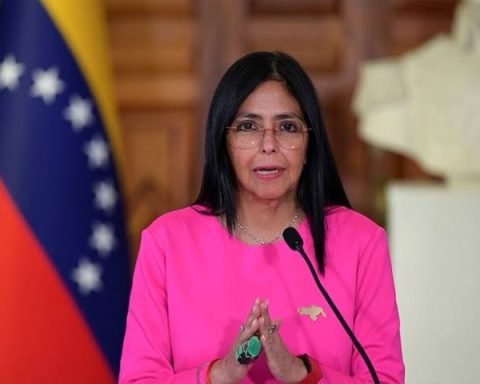
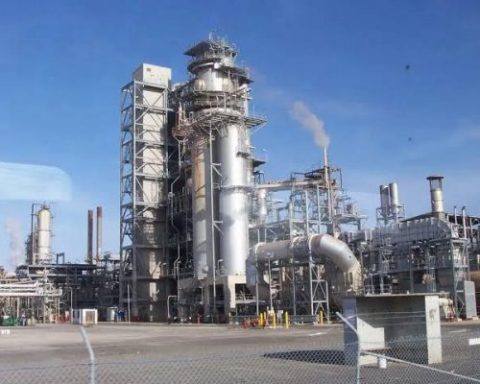
The Trump administration has told Venezuela’s interim president, Delcy Rodríguez, that her government must meet strict White House conditions including expelling China, Russia, Iran and Cuba before being allowed to significantly increase oil production.
Under the proposal, Venezuela would be required to sever economic ties with the four countries and agree to partner exclusively with the United States on oil production, while prioritising American buyers when selling its heavy crude, the ABC news said.
The plan was outlined to U.S. lawmakers during a private briefing on Monday by Secretary of State Marco Rubio, who argued that Washington currently holds decisive leverage over Caracas because Venezuela’s oil tankers are already full and unable to move additional crude.
Join our WhatsApp ChannelREAD ALSO : Scores Killed in Fierce Gun Battles During U.S. Capture of Maduro
Rubio told lawmakers that U.S. intelligence estimates suggest Venezuela has only a couple of weeks before it becomes financially insolvent if it is unable to sell its oil reserves, according to one of the sources familiar with the briefing.
In an exclusive interview with ABC News, Chairman of the Senate Armed Services Committee, Senator Roger Wicker, confirmed that the administration’s strategy centres on controlling Venezuela’s oil logistics rather than deploying U.S. troops.
“The government does intend to control the oil, taking charge of the ships and the tankers,” Wicker said, adding that military intervention is not expected. “Until they start moving we hope to the open market there are no more tankers to fill, because they’re totally full.”
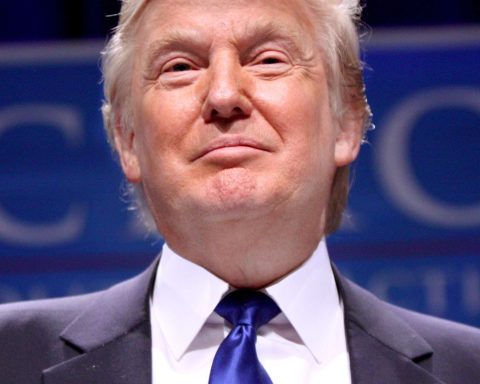
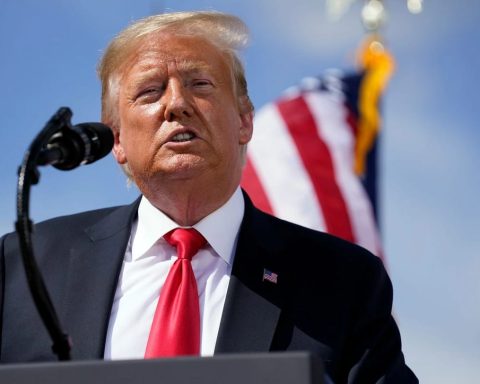
President Donald Trump has publicly reinforced the administration’s position, declaring that the United States is effectively “in charge” of Venezuela and announcing plans for the country to supply between 30 million and 50 million barrels of crude to the U.S. market a move he said was aimed at displacing Chinese and Russian interests in Venezuela’s oil sector.
A senior administration official told ABC News that the policy is designed to exert “maximum leverage” over Venezuela’s remaining leadership, compelling cooperation on issues including illegal migration, drug trafficking and the rehabilitation of the country’s oil infrastructure, which U.S. companies would be invited to help rebuild.
The demands have triggered international criticism. China has described the U.S. move as hegemonic, while Russia has voiced political support for Venezuela without offering military assistance. Brazil’s President Luiz Inácio Lula da Silva said Washington had crossed “an unacceptable line” by attempting to dictate Venezuela’s foreign partnerships.
Oil markets reacted cautiously to Trump’s announcement, with prices edging lower amid expectations that Venezuelan crude could be redirected away from existing buyers, particularly China.
Analysts say the ultimatum represents a major escalation in U.S. efforts to reshape Venezuela’s political and economic orientation through control of its oil sector, potentially redrawing geopolitical alignments in Latin America and weakening the influence of Washington’s global rivals.

Amanze Chinonye is a Staff Correspondent at Prime Business Africa, a rising star in the literary world, weaving captivating stories that transport readers to the vibrant landscapes of Nigeria and the rest of Africa. With a unique voice that blends with the newspaper's tradition and style, Chinonye's writing is a masterful exploration of the human condition, delving into themes of identity, culture, and social justice. Through her words, Chinonye paints vivid portraits of everyday African life, from the bustling markets of Nigeria's Lagos to the quiet villages of South Africa's countryside . With a keen eye for detail and a deep understanding of the complexities of Nigerian society, Chinonye's writing is both a testament to the country's rich cultural heritage and a powerful call to action for a brighter future. As a writer, Chinonye is a true storyteller, using her dexterity to educate, inspire, and uplift readers around the world.
- Amanze Chinonye
- Amanze Chinonye
- Amanze Chinonye
- Amanze Chinonye
- Amanze Chinonye
- Amanze Chinonye
- Amanze Chinonye
- Amanze Chinonye
- Amanze Chinonye
- Amanze Chinonye
- Amanze Chinonye
- Amanze Chinonye
- Amanze Chinonye
- Amanze Chinonye
- Amanze Chinonye
- Amanze Chinonye
- Amanze Chinonye
- Amanze Chinonye
- Amanze Chinonye
- Amanze Chinonye
- Amanze Chinonye
- Amanze Chinonye
- Amanze Chinonye
- Amanze Chinonye
- Amanze Chinonye
- Amanze Chinonye
- Amanze Chinonye
- Amanze Chinonye
- Amanze Chinonye
- Amanze Chinonye
- Amanze Chinonye
- Amanze Chinonye
- Amanze Chinonye
- Amanze Chinonye
- Amanze Chinonye
- Amanze Chinonye
- Amanze Chinonye
- Amanze Chinonye
- Amanze Chinonye
- Amanze Chinonye
- Amanze Chinonye
- Amanze Chinonye
- Amanze Chinonye
- Amanze Chinonye
- Amanze Chinonye
- Amanze Chinonye
- Amanze Chinonye
- Amanze Chinonye
- Amanze Chinonye
- Amanze Chinonye
- Amanze Chinonye
- Amanze Chinonye
- Amanze Chinonye
- Amanze Chinonye
- Amanze Chinonye
- Amanze Chinonye
- Amanze Chinonye
- Amanze Chinonye
- Amanze Chinonye
- Amanze Chinonye
- Amanze Chinonye
- Amanze Chinonye
- Amanze Chinonye
- Amanze Chinonye
- Amanze Chinonye
- Amanze Chinonye
- Amanze Chinonye
- Amanze Chinonye
- Amanze Chinonye
- Amanze Chinonye
- Amanze Chinonye
- Amanze Chinonye
- Amanze Chinonye
- Amanze Chinonye
- Amanze Chinonye
- Amanze Chinonye
- Amanze Chinonye
- Amanze Chinonye
- Amanze Chinonye
- Amanze Chinonye
- Amanze Chinonye
- Amanze Chinonye
- Amanze Chinonye
- Amanze Chinonye
- Amanze Chinonye
- Amanze Chinonye
- Amanze Chinonye
- Amanze Chinonye
- Amanze Chinonye
- Amanze Chinonye
- Amanze Chinonye
- Amanze Chinonye
- Amanze Chinonye
- Amanze Chinonye
- Amanze Chinonye
- Amanze Chinonye
- Amanze Chinonye
- Amanze Chinonye
- Amanze Chinonye
- Amanze Chinonye
- Amanze Chinonye
- Amanze Chinonye
- Amanze Chinonye
- Amanze Chinonye
- Amanze Chinonye
- Amanze Chinonye
- Amanze Chinonye
- Amanze Chinonye
- Amanze Chinonye
- Amanze Chinonye
- Amanze Chinonye
- Amanze Chinonye
- Amanze Chinonye
- Amanze Chinonye
- Amanze Chinonye
- Amanze Chinonye
- Amanze Chinonye
- Amanze Chinonye
- Amanze Chinonye
- Amanze Chinonye
- Amanze Chinonye
- Amanze Chinonye
- Amanze Chinonye
- Amanze Chinonye
- Amanze Chinonye
- Amanze Chinonye
- Amanze Chinonye
- Amanze Chinonye
- Amanze Chinonye
- Amanze Chinonye