 Amanze Chinonye
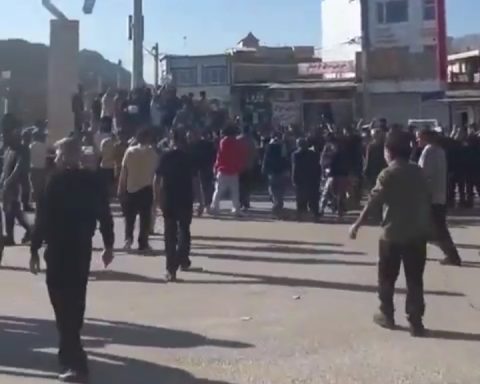
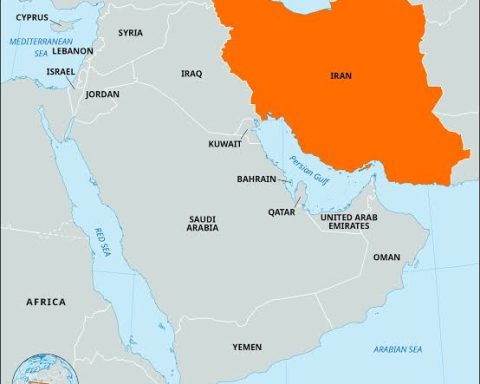
Iran has been plunged into a near-total internet and phone blackout for more than 12 hours, as nationwide protests over economic hardship and government policies continue to intensify.
In a rare move, state television broke its usual silence to report on riots, injuries, and deaths across the country, signaling the severity of the unrest.
The communications shutdown, confirmed by monitoring groups including NetBlocks and Cloudflare, has disrupted mobile and fixed-line networks nationwide, leaving much of the population disconnected from the global internet.
Join our WhatsApp ChannelAttempts to reach Iran via phone from abroad have largely failed, indicating a government-imposed control over communications amid ongoing demonstrations.
READ ALSO : Iran Warns U.S. at UN After Trump Threatens Military Action Over Protests
For the first time since the protests began, Iranian state television publicly addressed the unrest, describing it as the work of “terrorist agents” allegedly supported by foreign powers, including the United States and Israel.
The broadcast admitted to casualties but did not provide precise figures, emphasizing the government’s narrative that the unrest is externally instigated rather than a reflection of domestic grievances.
Supreme Leader Ayatollah Ali Khamenei has denounced rioters as attempting to “ruin their own streets” and pledged that the regime will not back down. Judiciary officials have also promised harsh penalties for participants labeled as “rioters.”
Press freedom organizations warn that the internet blackout severely hampers independent reporting, making it difficult for journalists and human rights groups to verify developments or provide timely updates on casualties and arrests.
The crisis has drawn international concern, with Western governments and human rights organizations calling for restraint and the protection of peaceful protest rights. The United States and the European Union have condemned the use of force, while Tehran continues to frame foreign criticism as interference in Iran’s internal affairs.
As protests enter their second week, analysts warn that the combination of widespread unrest and communications restrictions signals one of the most severe domestic crises the country has faced in recent years.

Amanze Chinonye is a Staff Correspondent at Prime Business Africa, a rising star in the literary world, weaving captivating stories that transport readers to the vibrant landscapes of Nigeria and the rest of Africa. With a unique voice that blends with the newspaper's tradition and style, Chinonye's writing is a masterful exploration of the human condition, delving into themes of identity, culture, and social justice. Through her words, Chinonye paints vivid portraits of everyday African life, from the bustling markets of Nigeria's Lagos to the quiet villages of South Africa's countryside . With a keen eye for detail and a deep understanding of the complexities of Nigerian society, Chinonye's writing is both a testament to the country's rich cultural heritage and a powerful call to action for a brighter future. As a writer, Chinonye is a true storyteller, using her dexterity to educate, inspire, and uplift readers around the world.
- Amanze Chinonye
- Amanze Chinonye
- Amanze Chinonye
- Amanze Chinonye
- Amanze Chinonye
- Amanze Chinonye
- Amanze Chinonye
- Amanze Chinonye
- Amanze Chinonye
- Amanze Chinonye
- Amanze Chinonye
- Amanze Chinonye
- Amanze Chinonye
- Amanze Chinonye
- Amanze Chinonye
- Amanze Chinonye
- Amanze Chinonye
- Amanze Chinonye
- Amanze Chinonye
- Amanze Chinonye
- Amanze Chinonye
- Amanze Chinonye
- Amanze Chinonye
- Amanze Chinonye
- Amanze Chinonye
- Amanze Chinonye
- Amanze Chinonye
- Amanze Chinonye
- Amanze Chinonye
- Amanze Chinonye
- Amanze Chinonye
- Amanze Chinonye
- Amanze Chinonye
- Amanze Chinonye
- Amanze Chinonye
- Amanze Chinonye
- Amanze Chinonye
- Amanze Chinonye
- Amanze Chinonye
- Amanze Chinonye
- Amanze Chinonye
- Amanze Chinonye
- Amanze Chinonye
- Amanze Chinonye
- Amanze Chinonye
- Amanze Chinonye
- Amanze Chinonye
- Amanze Chinonye
- Amanze Chinonye
- Amanze Chinonye
- Amanze Chinonye
- Amanze Chinonye
- Amanze Chinonye
- Amanze Chinonye
- Amanze Chinonye
- Amanze Chinonye
- Amanze Chinonye
- Amanze Chinonye
- Amanze Chinonye
- Amanze Chinonye
- Amanze Chinonye
- Amanze Chinonye
- Amanze Chinonye
- Amanze Chinonye
- Amanze Chinonye
- Amanze Chinonye
- Amanze Chinonye
- Amanze Chinonye
- Amanze Chinonye
- Amanze Chinonye
- Amanze Chinonye
- Amanze Chinonye
- Amanze Chinonye
- Amanze Chinonye
- Amanze Chinonye
- Amanze Chinonye
- Amanze Chinonye
- Amanze Chinonye
- Amanze Chinonye
- Amanze Chinonye
- Amanze Chinonye
- Amanze Chinonye
- Amanze Chinonye
- Amanze Chinonye
- Amanze Chinonye
- Amanze Chinonye
- Amanze Chinonye
- Amanze Chinonye
- Amanze Chinonye
- Amanze Chinonye
- Amanze Chinonye
- Amanze Chinonye
- Amanze Chinonye
- Amanze Chinonye
- Amanze Chinonye
- Amanze Chinonye
- Amanze Chinonye
- Amanze Chinonye
- Amanze Chinonye
- Amanze Chinonye
- Amanze Chinonye
- Amanze Chinonye
- Amanze Chinonye
- Amanze Chinonye
- Amanze Chinonye
- Amanze Chinonye
- Amanze Chinonye
- Amanze Chinonye
- Amanze Chinonye
- Amanze Chinonye
- Amanze Chinonye
- Amanze Chinonye
- Amanze Chinonye
- Amanze Chinonye
- Amanze Chinonye
- Amanze Chinonye
- Amanze Chinonye
- Amanze Chinonye
- Amanze Chinonye
- Amanze Chinonye
- Amanze Chinonye
- Amanze Chinonye
- Amanze Chinonye
- Amanze Chinonye
- Amanze Chinonye
- Amanze Chinonye
- Amanze Chinonye
- Amanze Chinonye
- Amanze Chinonye
- Amanze Chinonye
- Amanze Chinonye
- Amanze Chinonye