 Amanze Chinonye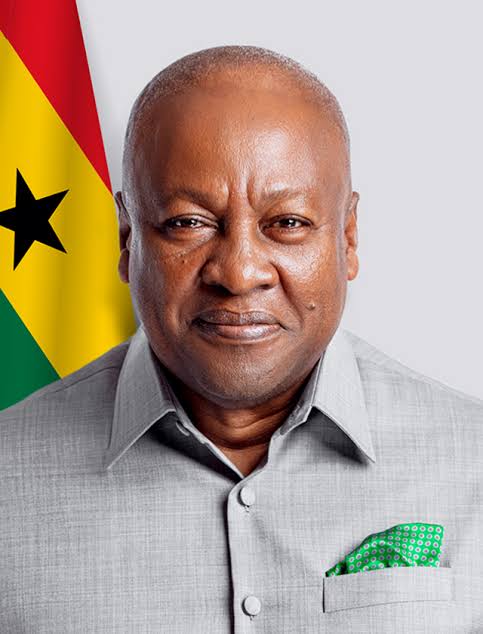
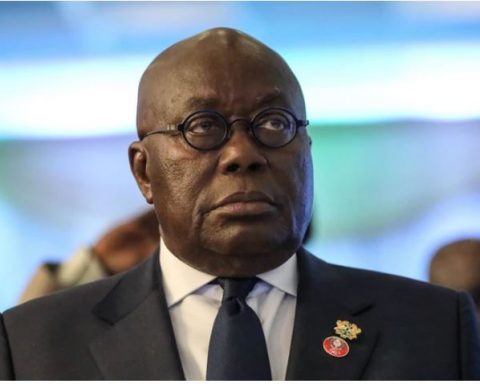
President John Dramani Mahama has announced that Ghana is beginning the process of exiting its International Monetary Fund (IMF) Extended Credit Facility programme, emphasising that the country will leave the arrangement “not as supplicants but as partners.”
Delivering his New Year message to the nation on 1 January 2026, President Mahama reflected on the challenges his administration inherited: an economy on its knees, youth unemployment at alarming levels, crumbling infrastructure, eroded public trust, and fading hope among Ghanaians.
He credited prudent management and difficult but necessary reforms for stabilising the economy and boosting investor confidence over the past year.
Join our WhatsApp ChannelGhana entered the three-year, approximately US$3 billion IMF programme in May 2023 to address macroeconomic challenges, including high inflation, currency depreciation, and mounting debt.
Since then, the IMF has disbursed around US$2.8 billion, including a recent tranche of US$385 million following the fifth programme review in December 2025.
READ ALSO : Ghana Energy Company Seeks Massive 225% Tariff Hike Amid Financial Crisis
Rising Suicide Rates In Ghana Prompt National Call For Mental Health Action
IMF officials have described Ghana’s performance under the programme as largely satisfactory, noting improvements in fiscal discipline, external balances, and debt sustainability. Analysts say the programme has helped stabilise the economy while preparing it for eventual completion.
Under the IMF arrangement, Ghana has achieved several milestones. Inflation has dropped from over 23% in late 2024 to low single digits by the end of 2025. Currency stability and foreign reserves have strengthened, improving confidence among investors. The government has successfully restructured key debts, easing repayment pressures and improving fiscal sustainability. These developments have positioned Ghana to transition from IMF programme reliance to a more balanced economic partnership.
Economists caution that while the programme’s completion is a positive step, sustained fiscal discipline will be critical to maintaining stability. Professor Godfred Bokpin of the University of Ghana warned that an early exit without continued prudence could undermine economic gains.
The IMF has also emphasised the importance of maintaining fiscal discipline and structural reforms beyond programme completion to consolidate Ghana’s economic progress.
Officials clarify that Ghana’s exit refers to the conclusion of the current borrowing arrangement, not a complete severing of ties with the IMF. The country will continue to engage with the Fund through technical consultations and Article IV reviews, ensuring ongoing policy guidance without formal programme obligations.
Ghana’s planned exit from the IMF programme reflects a broader strategy of economic self-reliance, strengthened governance, and investor confidence. As the country transitions from external support, maintaining fiscal prudence and implementing structural reforms will be essential to sustain the progress achieved under the IMF programme.

Amanze Chinonye is a Staff Correspondent at Prime Business Africa, a rising star in the literary world, weaving captivating stories that transport readers to the vibrant landscapes of Nigeria and the rest of Africa. With a unique voice that blends with the newspaper's tradition and style, Chinonye's writing is a masterful exploration of the human condition, delving into themes of identity, culture, and social justice. Through her words, Chinonye paints vivid portraits of everyday African life, from the bustling markets of Nigeria's Lagos to the quiet villages of South Africa's countryside . With a keen eye for detail and a deep understanding of the complexities of Nigerian society, Chinonye's writing is both a testament to the country's rich cultural heritage and a powerful call to action for a brighter future. As a writer, Chinonye is a true storyteller, using her dexterity to educate, inspire, and uplift readers around the world.
- Amanze Chinonye
- Amanze Chinonye
- Amanze Chinonye
- Amanze Chinonye
- Amanze Chinonye
- Amanze Chinonye
- Amanze Chinonye
- Amanze Chinonye
- Amanze Chinonye
- Amanze Chinonye
- Amanze Chinonye
- Amanze Chinonye
- Amanze Chinonye
- Amanze Chinonye
- Amanze Chinonye
- Amanze Chinonye
- Amanze Chinonye
- Amanze Chinonye
- Amanze Chinonye
- Amanze Chinonye
- Amanze Chinonye
- Amanze Chinonye
- Amanze Chinonye
- Amanze Chinonye
- Amanze Chinonye
- Amanze Chinonye
- Amanze Chinonye
- Amanze Chinonye
- Amanze Chinonye
- Amanze Chinonye
- Amanze Chinonye
- Amanze Chinonye
- Amanze Chinonye
- Amanze Chinonye
- Amanze Chinonye
- Amanze Chinonye
- Amanze Chinonye
- Amanze Chinonye
- Amanze Chinonye
- Amanze Chinonye
- Amanze Chinonye
- Amanze Chinonye
- Amanze Chinonye
- Amanze Chinonye
- Amanze Chinonye
- Amanze Chinonye
- Amanze Chinonye
- Amanze Chinonye
- Amanze Chinonye
- Amanze Chinonye
- Amanze Chinonye
- Amanze Chinonye
- Amanze Chinonye
- Amanze Chinonye
- Amanze Chinonye
- Amanze Chinonye
- Amanze Chinonye
- Amanze Chinonye
- Amanze Chinonye
- Amanze Chinonye
- Amanze Chinonye
- Amanze Chinonye
- Amanze Chinonye
- Amanze Chinonye
- Amanze Chinonye
- Amanze Chinonye
- Amanze Chinonye
- Amanze Chinonye
- Amanze Chinonye
- Amanze Chinonye
- Amanze Chinonye
- Amanze Chinonye
- Amanze Chinonye
- Amanze Chinonye
- Amanze Chinonye
- Amanze Chinonye
- Amanze Chinonye
- Amanze Chinonye
- Amanze Chinonye
- Amanze Chinonye
- Amanze Chinonye
- Amanze Chinonye
- Amanze Chinonye
- Amanze Chinonye
- Amanze Chinonye
- Amanze Chinonye
- Amanze Chinonye
- Amanze Chinonye
- Amanze Chinonye
- Amanze Chinonye
- Amanze Chinonye
- Amanze Chinonye
- Amanze Chinonye
- Amanze Chinonye
- Amanze Chinonye
- Amanze Chinonye
- Amanze Chinonye
- Amanze Chinonye
- Amanze Chinonye
- Amanze Chinonye
- Amanze Chinonye
- Amanze Chinonye
- Amanze Chinonye
- Amanze Chinonye
- Amanze Chinonye
- Amanze Chinonye
- Amanze Chinonye
- Amanze Chinonye
- Amanze Chinonye
- Amanze Chinonye
- Amanze Chinonye
- Amanze Chinonye
- Amanze Chinonye
- Amanze Chinonye
- Amanze Chinonye
- Amanze Chinonye
- Amanze Chinonye
- Amanze Chinonye
- Amanze Chinonye
- Amanze Chinonye
- Amanze Chinonye
- Amanze Chinonye
- Amanze Chinonye
- Amanze Chinonye