 Amanze Chinonye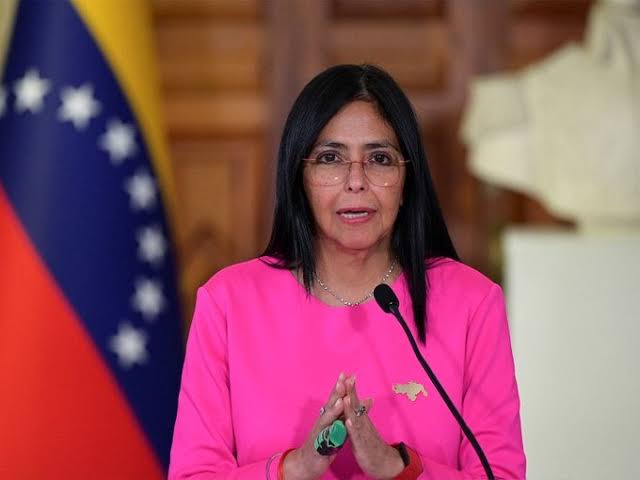
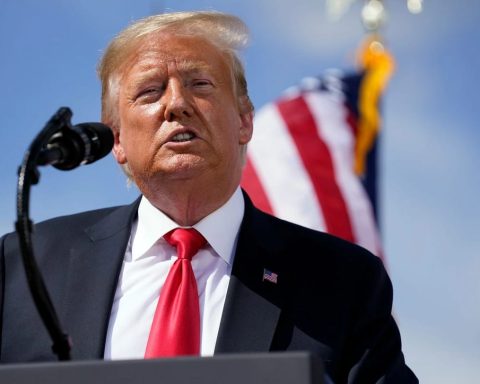
U.S. President Trump has issued a stark warning to Venezuela’s acting leader, Delcy Rodríguez, saying she could face consequences “probably bigger than Maduro” if she fails to comply with Washington’s expectations following the dramatic U.S. military operation that led to the capture of President Nicolás Maduro.
Trump made the remarks in a recent interview, defending the U.S. intervention and insisting that Rodríguez must “do what’s right” as Venezuela enters what he described as a transition period. According to the U.S. president, failure to cooperate would attract severe political and economic repercussions from Washington.
The warning comes days after U.S. forces launched a surprise operation in Caracas, capturing Maduro and transferring him to the United States, where he is expected to face multiple federal charges. The move has plunged Venezuela into its deepest political crisis in years, raising questions over leadership, legitimacy and sovereignty.
Join our WhatsApp ChannelREAD ALSO : How Maduro Was Captured – Speed, Precision and Might
Trump’s Administration Faces Security Scandal As Journalist Leaks War Plans
Trump argued that the intervention was necessary to end what he described as years of misrule under Maduro and suggested the United States would take charge of Venezuela following the ouster. He claimed Washington would oversee a transition and rebuild the oil-rich nation, comments that sparked widespread concern about a prolonged U.S. role in governing the country.
However, Secretary of State Marco Rubio sought on Sunday to temper those concerns, suggesting that the United States would not assume a day-to-day governing role in Venezuela beyond enforcing an existing oil quarantine. Rubio said Washington’s involvement would be limited to maintaining pressure through economic leverage rather than direct administration, marking a clear shift in tone from Trump’s earlier assertion that the U.S. would be “running” Venezuela.
Rubio said the oil quarantine had already been in place on sanctioned tankers before Maduro was removed from power and would continue as a tool to press for policy changes in Caracas. His comments appeared aimed at easing fears that the assertive American move to force regime change could evolve into another prolonged foreign intervention or a failed nation-building effort.
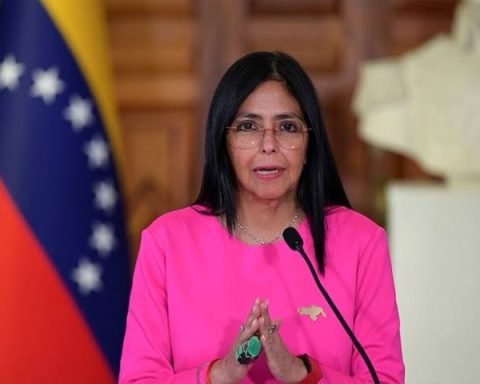
Rodríguez, meanwhile, has publicly rejected the U.S. narrative that she is cooperating with Washington. In televised remarks, she condemned the U.S. operation as illegal and described Maduro’s arrest as an abduction. She insisted that Maduro remains Venezuela’s legitimate president and called for his immediate release, accusing the United States of violating international law and undermining the country’s sovereignty.
Senior Venezuelan officials have echoed Rodríguez’s position, denouncing the U.S. action and reaffirming their loyalty to Maduro, even as uncertainty persists over the country’s leadership structure and chain of command.
International reaction has been swift and critical, with several governments and global bodies condemning the U.S. military action and Trump’s warning as a breach of international norms, raising fears of wider regional instability.
As tensions continue to rise, Venezuela’s political future remains uncertain, shaped by competing claims of authority, mounting international pressure and the possibility of further U.S. action.

Amanze Chinonye is a Staff Correspondent at Prime Business Africa, a rising star in the literary world, weaving captivating stories that transport readers to the vibrant landscapes of Nigeria and the rest of Africa. With a unique voice that blends with the newspaper's tradition and style, Chinonye's writing is a masterful exploration of the human condition, delving into themes of identity, culture, and social justice. Through her words, Chinonye paints vivid portraits of everyday African life, from the bustling markets of Nigeria's Lagos to the quiet villages of South Africa's countryside . With a keen eye for detail and a deep understanding of the complexities of Nigerian society, Chinonye's writing is both a testament to the country's rich cultural heritage and a powerful call to action for a brighter future. As a writer, Chinonye is a true storyteller, using her dexterity to educate, inspire, and uplift readers around the world.
- Amanze Chinonye
- Amanze Chinonye
- Amanze Chinonye
- Amanze Chinonye
- Amanze Chinonye
- Amanze Chinonye
- Amanze Chinonye
- Amanze Chinonye
- Amanze Chinonye
- Amanze Chinonye
- Amanze Chinonye
- Amanze Chinonye
- Amanze Chinonye
- Amanze Chinonye
- Amanze Chinonye
- Amanze Chinonye
- Amanze Chinonye
- Amanze Chinonye
- Amanze Chinonye
- Amanze Chinonye
- Amanze Chinonye
- Amanze Chinonye
- Amanze Chinonye
- Amanze Chinonye
- Amanze Chinonye
- Amanze Chinonye
- Amanze Chinonye
- Amanze Chinonye
- Amanze Chinonye
- Amanze Chinonye
- Amanze Chinonye
- Amanze Chinonye
- Amanze Chinonye
- Amanze Chinonye
- Amanze Chinonye
- Amanze Chinonye
- Amanze Chinonye
- Amanze Chinonye
- Amanze Chinonye
- Amanze Chinonye
- Amanze Chinonye
- Amanze Chinonye
- Amanze Chinonye
- Amanze Chinonye
- Amanze Chinonye
- Amanze Chinonye
- Amanze Chinonye
- Amanze Chinonye
- Amanze Chinonye
- Amanze Chinonye
- Amanze Chinonye
- Amanze Chinonye
- Amanze Chinonye
- Amanze Chinonye
- Amanze Chinonye
- Amanze Chinonye
- Amanze Chinonye
- Amanze Chinonye
- Amanze Chinonye
- Amanze Chinonye
- Amanze Chinonye
- Amanze Chinonye
- Amanze Chinonye
- Amanze Chinonye
- Amanze Chinonye
- Amanze Chinonye
- Amanze Chinonye
- Amanze Chinonye
- Amanze Chinonye
- Amanze Chinonye
- Amanze Chinonye
- Amanze Chinonye
- Amanze Chinonye
- Amanze Chinonye
- Amanze Chinonye
- Amanze Chinonye
- Amanze Chinonye
- Amanze Chinonye
- Amanze Chinonye
- Amanze Chinonye
- Amanze Chinonye
- Amanze Chinonye
- Amanze Chinonye
- Amanze Chinonye
- Amanze Chinonye
- Amanze Chinonye
- Amanze Chinonye
- Amanze Chinonye
- Amanze Chinonye
- Amanze Chinonye
- Amanze Chinonye
- Amanze Chinonye
- Amanze Chinonye
- Amanze Chinonye
- Amanze Chinonye
- Amanze Chinonye
- Amanze Chinonye
- Amanze Chinonye
- Amanze Chinonye
- Amanze Chinonye
- Amanze Chinonye
- Amanze Chinonye
- Amanze Chinonye
- Amanze Chinonye
- Amanze Chinonye
- Amanze Chinonye
- Amanze Chinonye
- Amanze Chinonye
- Amanze Chinonye
- Amanze Chinonye
- Amanze Chinonye
- Amanze Chinonye
- Amanze Chinonye
- Amanze Chinonye
- Amanze Chinonye
- Amanze Chinonye
- Amanze Chinonye
- Amanze Chinonye
- Amanze Chinonye
- Amanze Chinonye
- Amanze Chinonye
- Amanze Chinonye
- Amanze Chinonye
- Amanze Chinonye
- Amanze Chinonye
- Amanze Chinonye