 Amanze Chinonye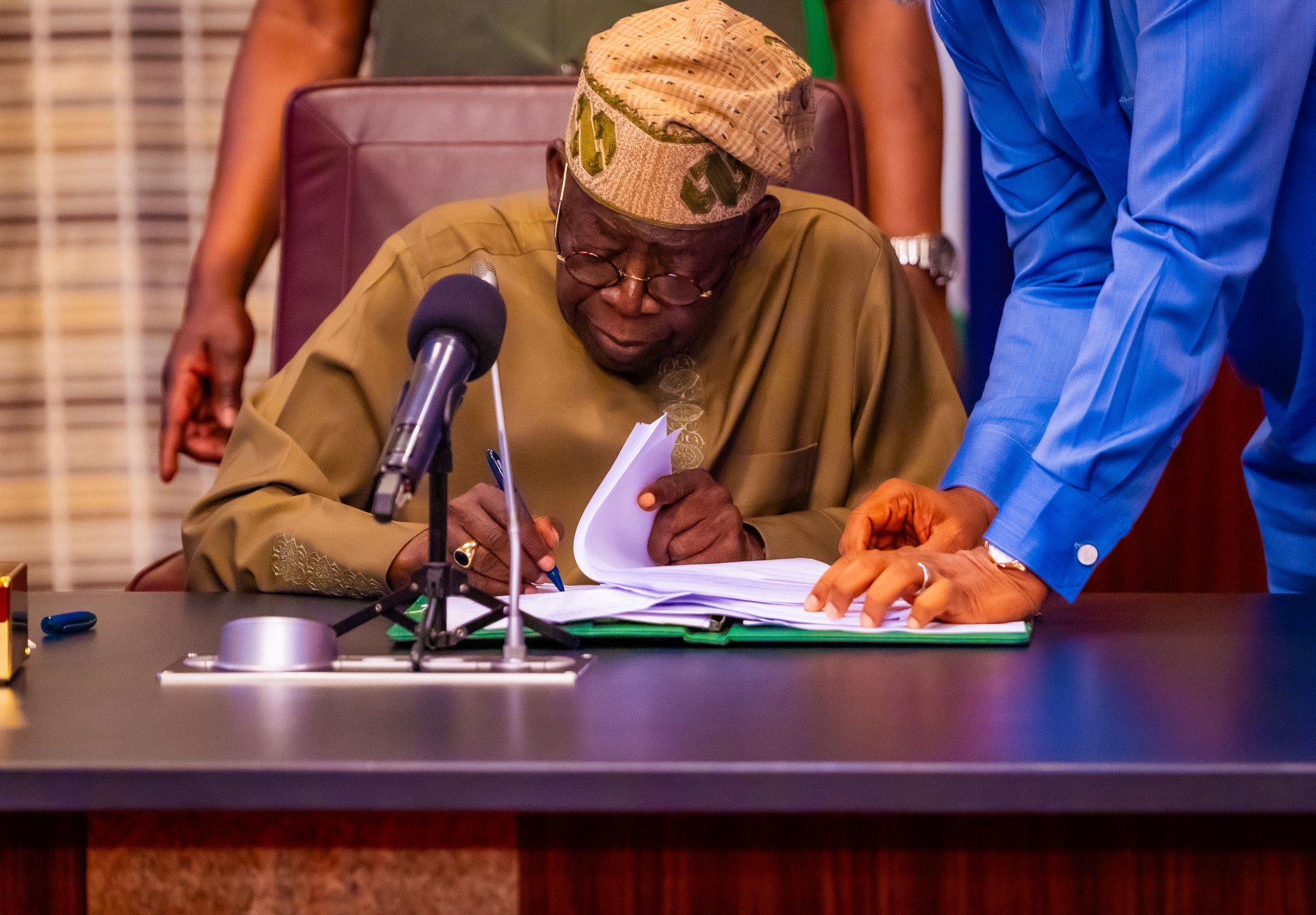
President Tinubu’s approval of ₦2.8 trillion to settle verified electricity subsidy arrears is being framed not merely as a bailout for power generation companies (GenCos), but as a conditional reset of Nigeria’s troubled electricity market.
The figure emerged after a tripartite audit involving the Federal Government, the Nigerian Bulk Electricity Trading Plc (NBET) and GenCos slashed operators’ ₦6 trillion claim by more than half. Officials said the audit process scrutinised legacy invoices dating back to 2010, rejecting unverified components and validating ₦2.8 trillion as payable.
But beyond the numbers, the intervention marks a structural pivot.
Join our WhatsApp ChannelRather than an outright cash payout, the settlement will be executed through bonds issued over 12 to 24 months under the Presidential Power Sector Debt Reduction Programme. Government sources said the design is deliberate limiting immediate fiscal strain while imposing compliance conditions on beneficiary firms.
Under the framework, portions of the proceeds are ring-fenced for clearing gas supply debts, a chronic constraint blamed for generation shortfalls. GenCos must also channel part of the funds into infrastructure upgrades, with evidence of utilisation expected as part of the agreement.
Five GenCos have already signed off on ₦827.16 billion in structured settlements, with an additional tranche of ₦600 billion to ₦800 billion anticipated in the coming months.
From Legacy Burden to Market Discipline
The subsidy debt traces back to the early years of Nigeria’s power reforms, particularly after the 2013 privatisation, when tariffs remained below cost-reflective levels. The resulting market shortfall forced the Federal Government to accumulate subsidy obligations to keep generation afloat.
Industry data indicates that receivables had been increasing by roughly ₦200 billion monthly, pushing total exposure toward ₦6.5 trillion before the audit intervention.
By insisting on verification and bond-based repayment, the Tinubu administration appears to be sending two signals: fiscal prudence and market discipline. Presidency insiders say the President rejected inflated claims and demanded a forensic review before authorising any settlement.
READ ALSO : NLC Rejects Federal Government’s ₦3 Trillion Power Sector Bailout
Liquidity vs. Performance
While the settlement may ease liquidity pressures and restore confidence among investors and gas suppliers, analysts caution that debt clearance alone will not resolve Nigeria’s electricity crisis.
The country continues to generate between 2,000 and 5,000 megawatts for a population exceeding 200 million a supply level far below demand. Persistent grid instability, transmission bottlenecks and tariff constraints remain systemic challenges.
Labour groups and consumer advocates have questioned whether clearing debts without simultaneous enforcement of performance benchmarks could amount to another cycle of subsidy without measurable service improvement.
A Test of Conditional Reform
The success of the ₦2.8 trillion intervention may ultimately depend on whether its conditions are enforced. If gas arrears are settled and infrastructure strengthened as planned, the liquidity injection could stabilise the value chain.
However, if structural tariff reforms, metering expansion and transmission upgrades lag behind, the sector risks sliding back into recurring subsidy accumulation.
For now, the administration’s approach suggests a shift from unconditional rescue to conditional restructuring, a strategy that could redefine how Nigeria manages its electricity market liabilities going forward.

Amanze Chinonye is a Staff Correspondent at Prime Business Africa, a rising star in the literary world, weaving captivating stories that transport readers to the vibrant landscapes of Nigeria and the rest of Africa. With a unique voice that blends with the newspaper's tradition and style, Chinonye's writing is a masterful exploration of the human condition, delving into themes of identity, culture, and social justice. Through her words, Chinonye paints vivid portraits of everyday African life, from the bustling markets of Nigeria's Lagos to the quiet villages of South Africa's countryside . With a keen eye for detail and a deep understanding of the complexities of Nigerian society, Chinonye's writing is both a testament to the country's rich cultural heritage and a powerful call to action for a brighter future. As a writer, Chinonye is a true storyteller, using her dexterity to educate, inspire, and uplift readers around the world.
- Amanze Chinonye
- Amanze Chinonye
- Amanze Chinonye
- Amanze Chinonye
- Amanze Chinonye
- Amanze Chinonye
- Amanze Chinonye
- Amanze Chinonye
- Amanze Chinonye
- Amanze Chinonye
- Amanze Chinonye
- Amanze Chinonye
- Amanze Chinonye
- Amanze Chinonye
- Amanze Chinonye
- Amanze Chinonye
- Amanze Chinonye
- Amanze Chinonye
- Amanze Chinonye
- Amanze Chinonye
- Amanze Chinonye
- Amanze Chinonye
- Amanze Chinonye
- Amanze Chinonye
- Amanze Chinonye
- Amanze Chinonye
- Amanze Chinonye
- Amanze Chinonye
- Amanze Chinonye
- Amanze Chinonye
- Amanze Chinonye
- Amanze Chinonye
- Amanze Chinonye
- Amanze Chinonye
- Amanze Chinonye
- Amanze Chinonye
- Amanze Chinonye
- Amanze Chinonye
- Amanze Chinonye
- Amanze Chinonye
- Amanze Chinonye
- Amanze Chinonye
- Amanze Chinonye
- Amanze Chinonye
- Amanze Chinonye
- Amanze Chinonye
- Amanze Chinonye
- Amanze Chinonye
- Amanze Chinonye
- Amanze Chinonye
- Amanze Chinonye
- Amanze Chinonye
- Amanze Chinonye
- Amanze Chinonye
- Amanze Chinonye
- Amanze Chinonye
- Amanze Chinonye
- Amanze Chinonye
- Amanze Chinonye
- Amanze Chinonye
- Amanze Chinonye
- Amanze Chinonye
- Amanze Chinonye
- Amanze Chinonye
- Amanze Chinonye
- Amanze Chinonye
- Amanze Chinonye
- Amanze Chinonye
- Amanze Chinonye
- Amanze Chinonye
- Amanze Chinonye
- Amanze Chinonye
- Amanze Chinonye
- Amanze Chinonye
- Amanze Chinonye
- Amanze Chinonye
- Amanze Chinonye
- Amanze Chinonye
- Amanze Chinonye
- Amanze Chinonye
- Amanze Chinonye
- Amanze Chinonye
- Amanze Chinonye
- Amanze Chinonye
- Amanze Chinonye
- Amanze Chinonye
- Amanze Chinonye
- Amanze Chinonye
- Amanze Chinonye
- Amanze Chinonye
- Amanze Chinonye
- Amanze Chinonye
- Amanze Chinonye
- Amanze Chinonye
- Amanze Chinonye
- Amanze Chinonye
- Amanze Chinonye
- Amanze Chinonye
- Amanze Chinonye
- Amanze Chinonye
- Amanze Chinonye
- Amanze Chinonye
- Amanze Chinonye
- Amanze Chinonye
- Amanze Chinonye
- Amanze Chinonye
- Amanze Chinonye
- Amanze Chinonye
- Amanze Chinonye
- Amanze Chinonye
- Amanze Chinonye
- Amanze Chinonye
- Amanze Chinonye
- Amanze Chinonye
- Amanze Chinonye
- Amanze Chinonye
- Amanze Chinonye
- Amanze Chinonye
- Amanze Chinonye
- Amanze Chinonye
- Amanze Chinonye
- Amanze Chinonye
- Amanze Chinonye
- Amanze Chinonye
- Amanze Chinonye
- Amanze Chinonye
- Amanze Chinonye
- Amanze Chinonye
- Amanze Chinonye
- Amanze Chinonye