 Amanze Chinonye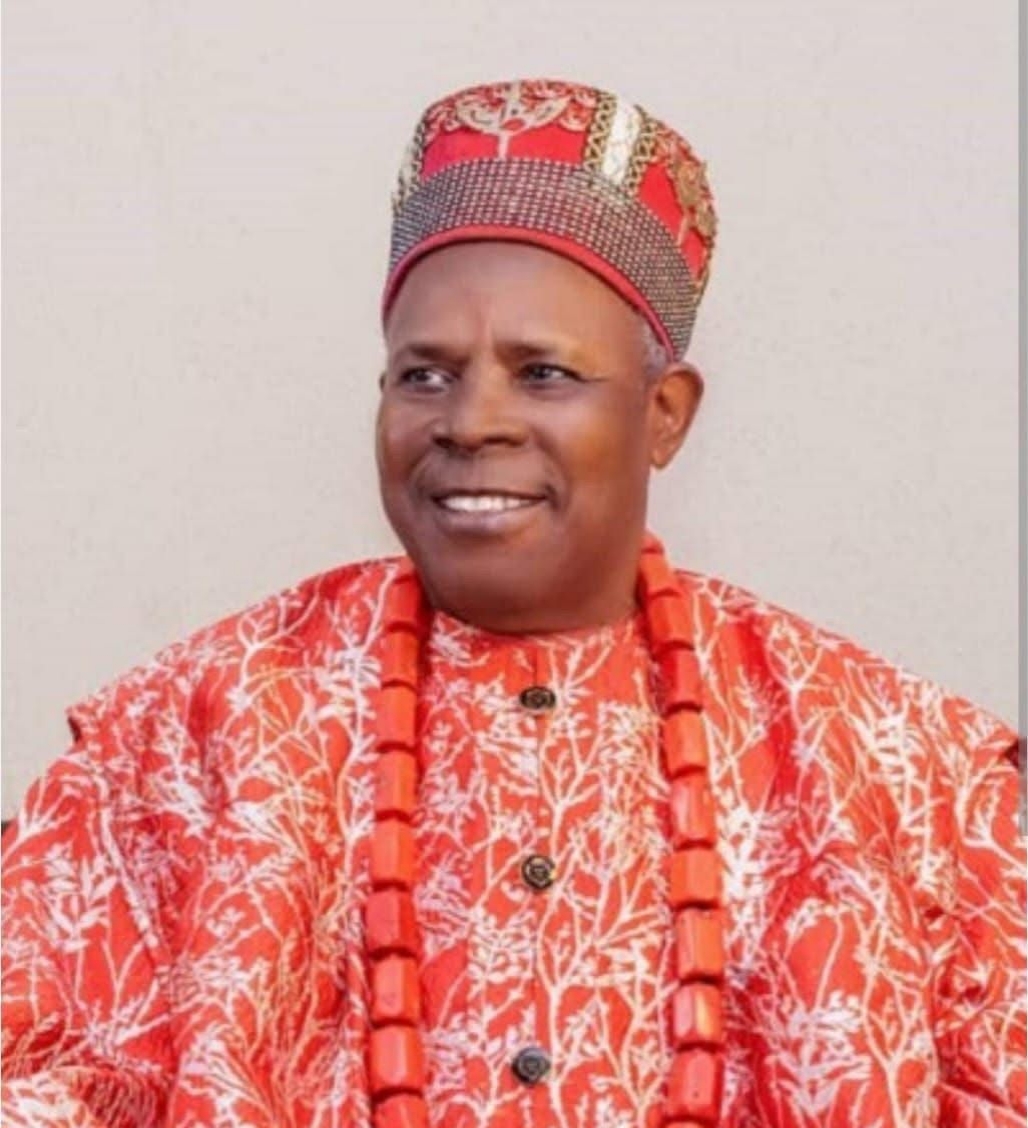
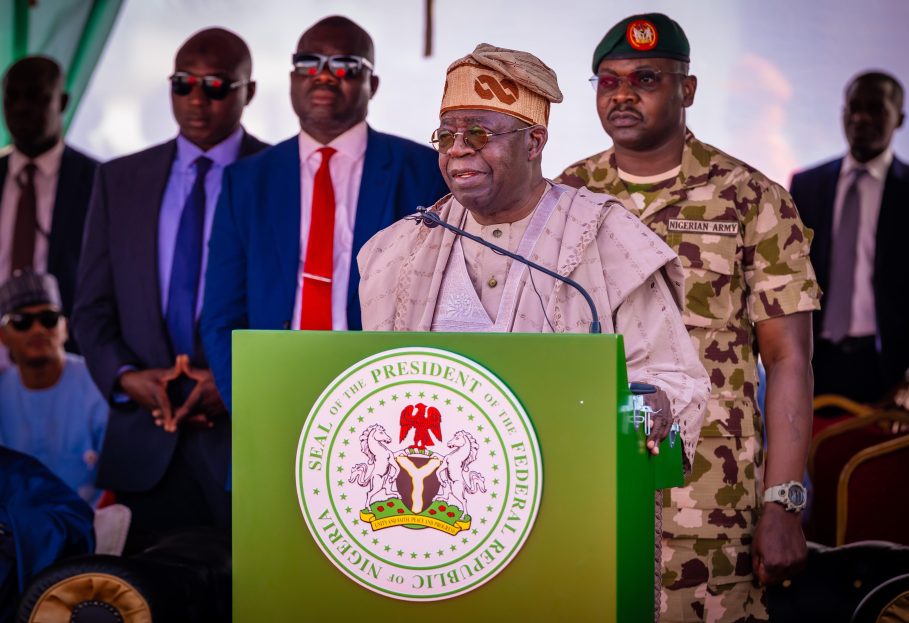
In the measured stillness of a national summit in Abuja, a traditional ruler from Enugu State rose to speak.
Within minutes, his words had travelled far beyond the hall into living rooms, social media timelines, and the heart of Nigeria’s most delicate political debate.
His Majesty, Lawrence Okolio Chikezie Agubuzu, Traditional Ruler of Ezema Olo Kingdom and Chairman of the South East Council of Traditional Rulers, was not on the programme to ignite controversy. Yet his appeal to President Bola Ahmed Tinubu on the continued detention of Nnamdi Kanu did exactly that calmly, deliberately, and without theatrics.
Join our WhatsApp ChannelWhat followed was not merely applause. It was a recalibration of his national standing.
A Life of Scholarship and Service
Long before his recent intervention made headlines, Agubuzu’s life had been defined by academic excellence and diplomatic service.
Born on October 27, 1942, in Awene Village, Ezema Olo, in Ezeagu Local Government Area of Enugu State, he distinguished himself early. He finished top of his class at Saint Joseph’s Primary School, Olo, in 1955, and later graduated in 1967 as the best student and prize winner in Political Science from the University of Nigeria, Nsukka.
His postgraduate academic pursuits took him to the University of Lagos, Howard University, and the University of Besançon in France.
Agubuzu joined Nigeria’s Foreign Service in 1971 and served until 1996, rising to become Deputy Permanent Representative of Nigeria to the United Nations in New York. He later served as High Commissioner to Zambia with concurrent accreditation to Malawi.
Between 1999 and 2003, he was Assistant Secretary-General of the Organization of African Unity, which later transformed into the African Union.
Since ascending the throne of Ezema Olo in 2006, he has held key leadership positions within Nigeria’s traditional institutions, including Chairman of the Enugu State Council of Traditional Rulers (2013–2023) and, from August 2022, Chairman of the South East Council of Traditional Rulers.
He also served as the first Chancellor of the National Open University of Nigeria and is currently Chancellor of the Federal University of Kashere.
His résumé has long been formidable. What changed in Abuja was visibility.
READ ALSO : Eze Ogbunechendo Urges Tinubu to Release Nnamdi Kanu or Return Him to Kenya
The Intervention
The occasion was the National Traditional and Religious Leaders Summit on Health. President Tinubu was in attendance. So were monarchs, clerics, and policy stakeholders.
When Agubuzu took the floor, he did not raise his voice. Instead, he raised a question one that has lingered in the South-East for years.
He referenced reports that the Ooni of Ife was considering honouring Yoruba activist Sunday Igboho. Against that backdrop, he appealed to the President to consider the continued detention of Kanu in the spirit of equity and national cohesion.
His tone was measured, but his message was direct: justice must be seen to be even-handed.
Then came the remark that struck a deeper chord:
“The youths in the South-East see us as sell-outs. When we come to Abuja, they think we come to collect money and keep quiet on these issues. Mr President should do something about Nnamdi Kanu. We cannot make progress in this country if we don’t tell ourselves the whole truth.”
It was an uncommon moment, a traditional ruler publicly acknowledging the credibility gap between established institutions and a disillusioned younger generation.
The hall responded with sustained applause.
Beyond the Speech: Addressing South-East Grievances
Although framed around Kanu’s case, the speech tapped into wider grievances in the South-East: perceptions of marginalisation, distrust in federal institutions, and a belief – fair or otherwise that the region is treated differently in matters of justice and security.
Agubuzu did not endorse separatist agitation. Nor did he excuse violence that has accompanied it. Instead, he framed his appeal within the language of reconciliation and fairness.
The handling of Kanu’s case under former President Muhammadu Buhari significantly shaped perceptions in the region. For many, the issue has become symbolic less about one individual and more about the state’s relationship with a constituency that feels unheard.
By raising the matter directly before the President, Agubuzu transformed what is often debated online into a formal national conversation.
He also dismissed claims of a so-called “Southern Traditional Rulers’ Council,” stating plainly that no such body exists a clarification that underscored his insistence on institutional accuracy.
The Weight of a Royal Voice
Traditional rulers in contemporary Nigeria often navigate a delicate space: custodians of culture, yet operating within a modern democratic framework where executive power lies elsewhere.
Publicly confronting the centre carries risk. Silence carries another.
In choosing candour, Agubuzu positioned himself as more than a ceremonial figure. He became, at least in that moment, a bridge between restless youth and political authority.
Supporters of Kanu hailed him as courageous. Political observers described the speech as strategic. Critics questioned the implications. But few disputed its impact.
A Defining Moment
History often pivots not on volume, but on clarity.
In an era when many traditional institutions struggle with relevance amid modern political realities, Igwe Lawrence Agubuzu demonstrated how moral authority can still command attention.
Whether President Tinubu acts on the appeal remains to be seen. But one fact is settled: a monarch from Ezema Olo stepped into the national arena and reshaped the discourse.
In the affairs of nations, there are tides. Some watch them pass. Others rise and speak.

Amanze Chinonye is a Staff Correspondent at Prime Business Africa, a rising star in the literary world, weaving captivating stories that transport readers to the vibrant landscapes of Nigeria and the rest of Africa. With a unique voice that blends with the newspaper's tradition and style, Chinonye's writing is a masterful exploration of the human condition, delving into themes of identity, culture, and social justice. Through her words, Chinonye paints vivid portraits of everyday African life, from the bustling markets of Nigeria's Lagos to the quiet villages of South Africa's countryside . With a keen eye for detail and a deep understanding of the complexities of Nigerian society, Chinonye's writing is both a testament to the country's rich cultural heritage and a powerful call to action for a brighter future. As a writer, Chinonye is a true storyteller, using her dexterity to educate, inspire, and uplift readers around the world.