 Amanze Chinonye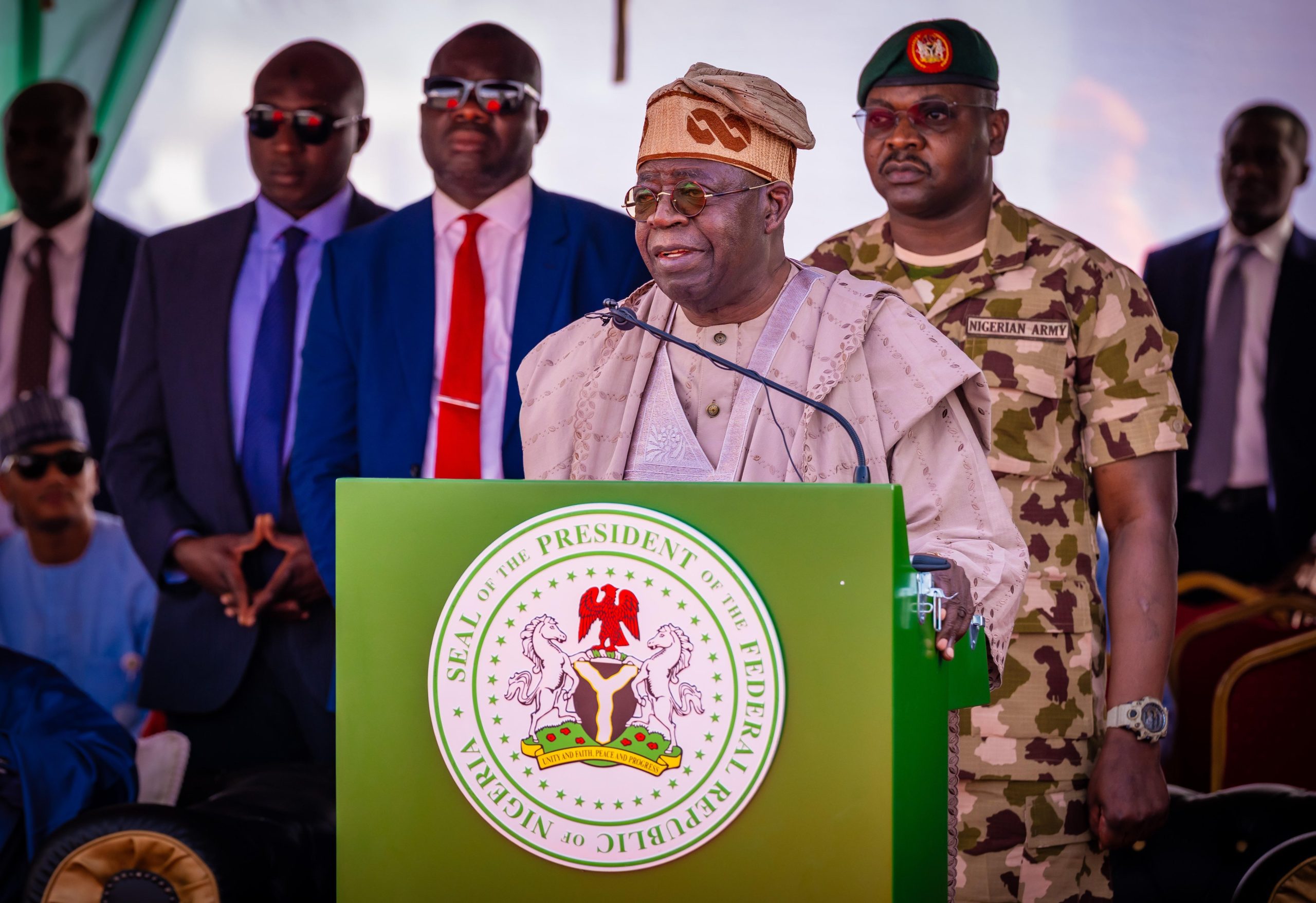
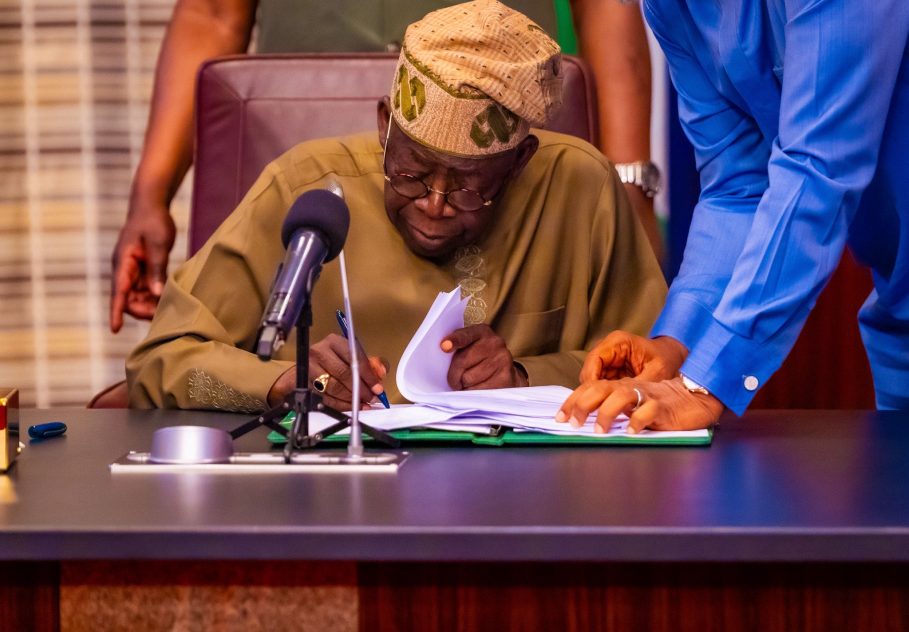
President Tinubu has signed an Executive Order mandating the direct remittance of oil and gas revenues to the Federation Account, in a sweeping fiscal move that alters key revenue-retention provisions under the Petroleum Industry Act (PIA), Prime Business Africa reports.
The order, signed on February 13, 2026 and gazetted the same day, invokes Sections 5 and 44(3) of the 1999 Constitution (as amended), which vest ownership and control of Nigeria’s mineral resources in the Federal Government.
In a State House statement issued Wednesday, the presidency said the directive is designed to safeguard oil and gas revenues, curb what it described as wasteful and duplicative deductions, and restore the full constitutional entitlements of federal, state and local governments.
Join our WhatsApp ChannelEnd of Key NNPC Retentions
Under the new directive, the Nigerian National Petroleum Company Limited will no longer retain a 30 per cent management fee on Profit Oil and Profit Gas derived from Production Sharing Contracts (PSCs), Profit Sharing Contracts and Risk Service Contracts.
The Federal Government argued that the company already retains 20 per cent of its profits for working capital and future investments, making the additional 30 per cent management fee unjustifiable.
The Executive Order also abolishes the 30 per cent allocation to the Frontier Exploration Fund provided under Sections 9(4) and (5) of the PIA. Funds previously earmarked for frontier exploration will now be transferred directly to the Federation Account.
According to the presidency, dedicating such a substantial pool of funds to speculative exploration risks creating idle balances and inefficient spending at a time of pressing national priorities, including security, healthcare, education and energy transition.
READ ALSO : Tinubu Assents to Reworked Electoral Act, Defends Manual Safeguards Ahead of 2027 Polls
BOI Disburses Record N636bn in 2025, Creates 1.6m Jobs – President Tinubu
Gas Flare Penalties Redirected
President Tinubu also suspended the payment of gas flare penalties into the Midstream and Downstream Gas Infrastructure Fund (MDGIF).
Going forward, all penalties imposed on operators for gas flaring will be paid directly into the Federation Account. Existing MDGIF expenditures must comply strictly with public procurement laws and regulations.
The government noted that Section 103 of the PIA had already established an Environmental Remediation Fund, administered by the Nigerian Upstream Petroleum Regulatory Commission (NUPRC), to address environmental damage from upstream petroleum operations, including gas flaring raising concerns about duplication.
Direct Remittance by Operators
The order mandates that all operators and contractors under production sharing arrangements remit Royalty Oil, Tax Oil, Profit Oil, Profit Gas and any other government entitlements directly to the Federation Account with effect from February 13, 2026.
The presidency maintained that deductions under the current PIA framework “far exceed global norms,” diverting more than two-thirds of potential oil and gas revenues away from the Federation Account and contributing to declining net inflows available for distribution to the three tiers of government.
Structural Reforms and Oversight
President Tinubu also expressed concern over NNPC Limited’s continued role as a concessionaire under PSC arrangements, saying its dual function as both commercial operator and cost-influencing entity creates potential competitive distortions and undermines its transition into a fully commercial enterprise as envisaged by the PIA.
To implement the reforms, the President approved the constitution of a joint project team to execute integrated petroleum operations, with the NUPRC serving as the interface with licensees and lessees where upstream and midstream operations are combined.
An implementation committee has also been established, chaired by the Minister of Finance and Coordinating Minister of the Economy. Other members include the Attorney-General of the Federation and Minister of Justice, Minister of Budget and National Planning, Minister of State for Petroleum Resources (Oil), Chairman of the Nigeria Revenue Service, a representative of the Ministry of Justice, the Special Adviser to the President on Energy, and the Director-General of the Budget Office of the Federation, who will serve as secretary.
The President described the reforms as urgent, citing their implications for national budgeting, debt sustainability and economic stability. He also indicated that his administration would undertake a comprehensive review of the Petroleum Industry Act in consultation with stakeholders to address identified fiscal and structural gaps.
The Executive Order marks one of the most significant fiscal interventions in Nigeria’s oil and gas governance framework since the PIA was enacted in 2021 and is expected to reshape revenue flows ahead of the 2027 general elections.

Amanze Chinonye is a Staff Correspondent at Prime Business Africa, a rising star in the literary world, weaving captivating stories that transport readers to the vibrant landscapes of Nigeria and the rest of Africa. With a unique voice that blends with the newspaper's tradition and style, Chinonye's writing is a masterful exploration of the human condition, delving into themes of identity, culture, and social justice. Through her words, Chinonye paints vivid portraits of everyday African life, from the bustling markets of Nigeria's Lagos to the quiet villages of South Africa's countryside . With a keen eye for detail and a deep understanding of the complexities of Nigerian society, Chinonye's writing is both a testament to the country's rich cultural heritage and a powerful call to action for a brighter future. As a writer, Chinonye is a true storyteller, using her dexterity to educate, inspire, and uplift readers around the world.