Admin
Admin
By Tony Onyima
According to the World Bank’s annual ratings, Nigeria is currently ranked 131 among 191 economies in the ease of doing business index.
Ease of Doing Business Index ranks countries against each other based on how the regulatory environment is conducive to business operations. Economies with a high rank of 1-20 have more straightforward and friendly business regulations. Creating a conducive regulatory environment for thriving businesses has been a political campaign issue since 1999. Successive governments have not done much to improve the nation’s rating. The country has only achieved marginal improvement. For instance, Nigeria’s rank improved to 131 in 2019 from 146 in 2018. It averaged 143.92 from 2008 until 2019, reaching an all-time high of 170 in 2014 and a record of 120 in 2008.
Join our WhatsApp ChannelREAD ALSO Between Our National Greed And The Frequent Power Grid Collapse
The reason for this situation is apparent. Successive national and sub-national governments are obsessed with multiple revenue sources. Structured revenue collection helps businesses plan and net more revenue in the long run. Recently, on his Facebook wall, Mr Emeka Oparah, a major player in the telecommunications sector, revealed a list of 39 mandatory taxes imposed on the sector. There is no doubt that the telecoms industry has played a transformative role in driving digital inclusion, economic growth, and innovation. But the operators remain shackled by a suffocating array of taxes and levies. The list of 39 mandatory taxes imposed across the three tiers of government – federal, state, and local – highlights the heavy burden telecommunications operators bear. These taxes, ranging from aviation height clearance to stamp duties, encompass a spectrum of obligations often duplicated, arbitrary, and misaligned with global best practices.
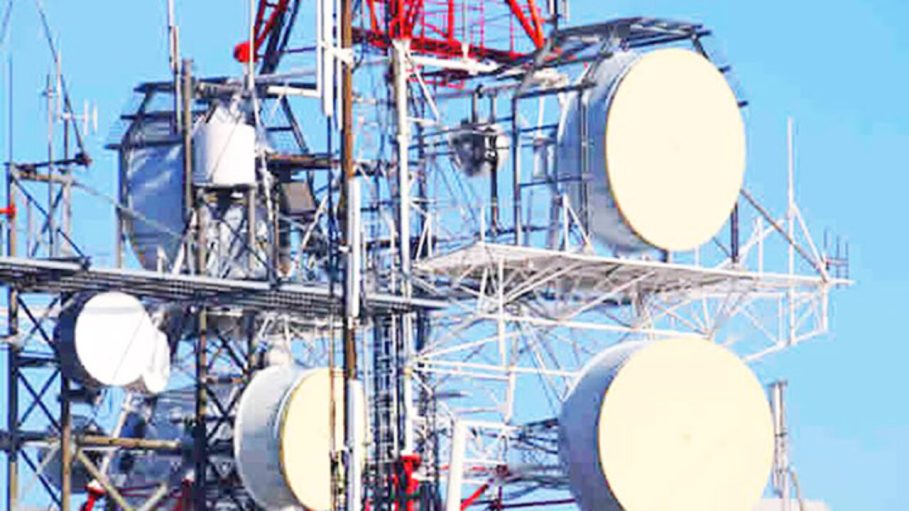
Telecommunication operators are required to navigate a labyrinth of payments, including but not limited to:
1. Environmental charges, such as effluent discharge fees and environmental sanitation levies, often overlap.
2. Operational levies, such as the annual operating levy, NITDA contribution, and employee levy, compound the financial strain on operators.
3. Permits and clearances, including building permits, planning permits, and right-of-way charges, add to the cost of infrastructure deployment.
The weight of these taxes not only increases telcos’ costs of doing business but also stifles investments in infrastructure, especially in rural and underserved areas. This inefficiency ultimately affects the end consumers, who bear the brunt through higher call, data, and broadband tariffs. Moreover, duplicated levies create a hostile environment for innovation, discouraging both local and foreign investors.
READ ALSO: Nigeria’s Economy: A Ticking Time Bomb?
In light of these challenges, the government of President Bola Ahmed Tinubu has a historic opportunity to reposition the telecommunications sector as a catalyst for Nigeria’s digital economy. By streamlining and rationalising the taxes levied on telecommunications operators, the government should address the following critical issues as part of its tax reforms initiative:
1. Reduce duplication and overlap: Several taxes and levies, such as environmental sanitation levy and sanitation fee, serve similar purposes and should be consolidated into a single charge.
2. Enhance Transparency: A clear framework for tax collection, free of arbitrariness, will boost investor confidence.
3. Promote Infrastructure Development: Eliminating excessive charges on right-of-way and bridge crossings will facilitate the rollout of broadband networks to underserved areas.
4. Encourage Local Innovation: By easing the financial burden on operators, resources can be redirected toward research, development, and improving service delivery.
Other emerging economies have successfully streamlined telecom taxation to foster growth. For instance, India reduced its telecom regulatory charges to encourage investments, while Kenya provides tax rebates for operators expanding to rural areas. These examples underscore the benefits of a business-friendly regulatory environment.
The current tax structure in Nigeria’s telecommunications sector is not sustainable and poses a significant risk to the sector’s long-term growth. The Tinubu administration must act decisively, collaborating with stakeholders, including the Nigerian Communications Commission (NCC) and subnationals, to reform the tax regime. A rationalised tax framework will attract more investments and ensure affordable and accessible telecommunication services for all Nigerians.
The time for reform is now. Let us save the telcos – and, by extension, the Nigerian economy – from the crushing weight of uncountable and duplicated taxation.
Onyima, Ph.D, a public policy analyst and a Fellow of the Nigerian Guild of Editors (NGE), writes from Umuoji.