 Victor Ezeja
 Admin
Admin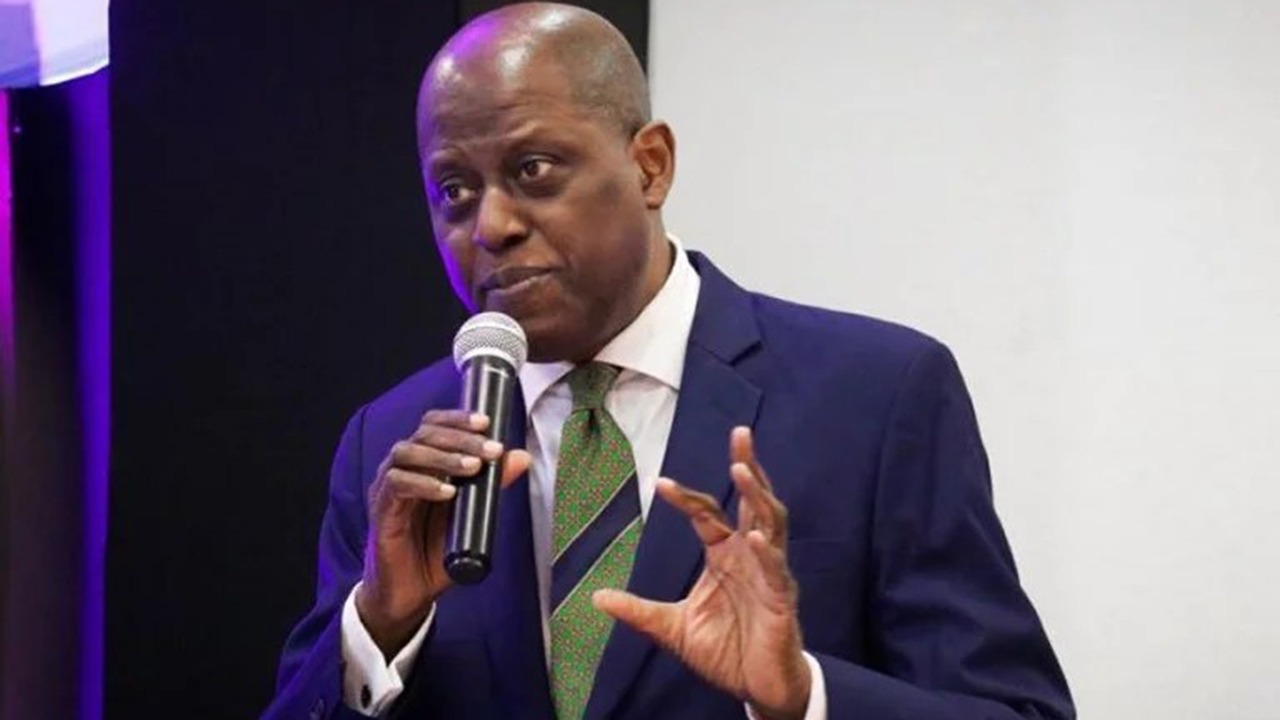
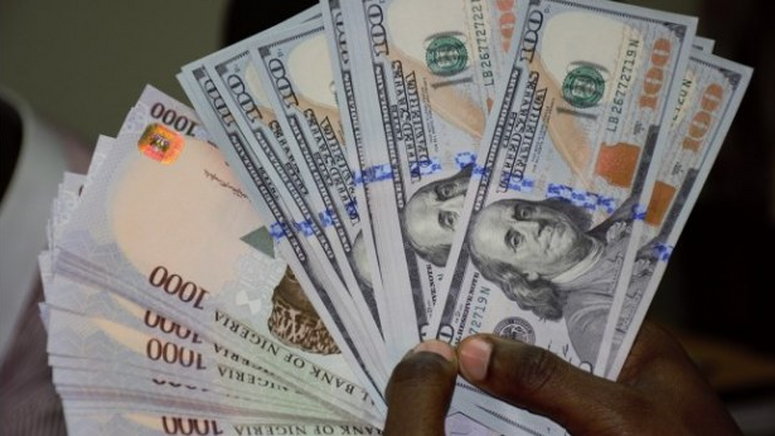
The Governor of the Central Bank of Nigeria (CBN), Yemi Cardoso has noted that a thorough assessment of Nigerian economy reveals significant challenges, including high and rising inflation, inadequate foreign exchange supply, depreciation of the exchange rate, limited external reserves, weakened output, and high unemployment.
Speaking yesterday during the 58th Annual Bankers’ Dinner and Grand Finale of the Institute’s 60th Anniversary organized by the the Chartered Institute of Bankers of Nigeria (CIBN), the CBN governor asserted that “the persistent depreciation of the naira poses a significant risk for domestic banks with foreign exchange exposures”, noting that high inflation within the banking system has affected asset quality and solvency ratios.
Join our WhatsApp Channel“The continuous decline in Nigeria’s crude oil production has further weakened our already inadequate economic diversification. This has led to a decline in government revenue and foreign exchange inflows, while simultaneously witnessing a growth in public expenditures and a deterioration in macroeconomic indicators, which has constrained our policy options. Consequently, we have seen the fiscal deficit and public debt increase, placing additional strain on external reserves and contributing to exchange rate instability,” Cardoso said.
READ ALSO: Naira Slides To N956/$ As Dollar Supply Dwindles
Nigeria’s Declining GDP Rate
The country’s gross domestic product (GDP) declined from 3.4 percent in 2021 to 3.1 percent in 2022, and further dipping to 2.5 percent in the second quarter of 2023. The projection for 2023 stands at 2.9 percent. Despite this, the non-oil sector continues to be the main driver of growth, expanding by 3.58 percent in the second quarter of 2023 compared to 2.77 percent in the first quarter.
This growth is attributed to the services, agriculture, and industrial sectors, which contributed 4.20 percent, 1.94 percent, and 1.50 percent, respectively, to overall output growth in Q2 2023. Looking ahead, a growth rate of 2.36 percent is expected in the third quarter of 2023, with an anticipated increase to 3.97 percent in the fourth quarter as various reforms take effect.
READ ALSO: Delays in MPC Meeting Could Harm The Economy
Domestic Factors Affecting Nigeria’s Economy
The performance of Nigeria’s economy has been hampered by a wide range of factors, including insecurity which remains a pressing issue, affecting the agricultural, industrial, and services sectors simultaneously.
The persistently high levels of insecurity have resulted in decreased national output and productivity, as many farmers have been unable to access their farmlands, disrupting supply chains and major economic activities. This has led to food shortages and inflation in various parts of the country.
There is also infrastructure constraints which undermines the production chain and distribution network of goods and services. Other issues such as business bottlenecks and a culture of poor service delivery, particularly within the public sector, further hinder the fortunes of the Nigerian economy.
Cardoso’s Approach To Tackling The Challenges
The CBN governor maintained that addressing these multifaceted challenges requires a well-crafted structural policy, complemented by coordinated monetary and fiscal policies. “We must make difficult decisions regarding capital adequacy. As a first step, we will be directing banks to increase their capital,” he said.