Admin
Admin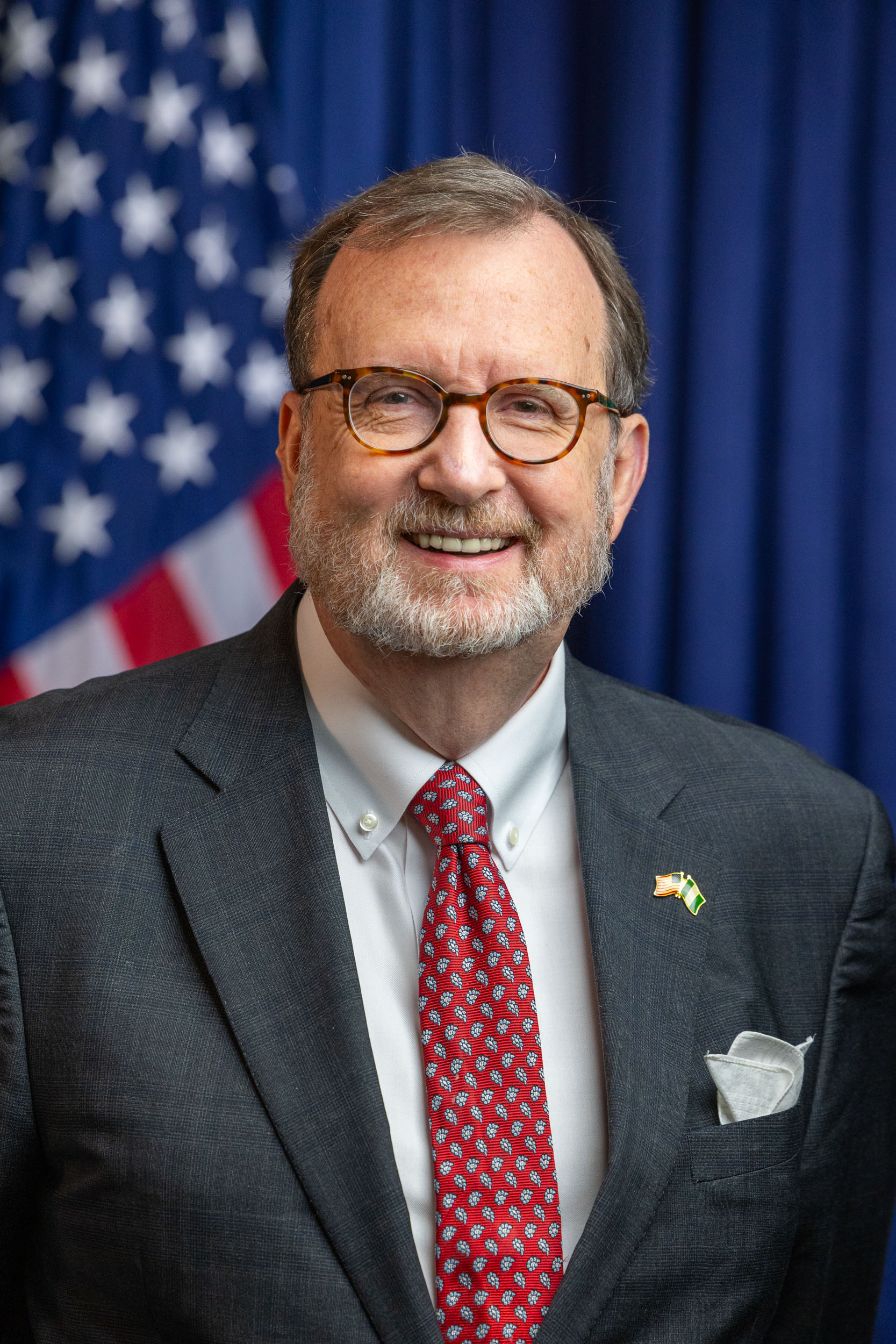
By Richard Mills
Every December, we mark three international observances that are at the heart of the U.S.-Nigeria partnership: World AIDS Day, International Anti-Corruption Day, and Human Rights Day. While distinct, these commemorations underscore a simple truth – Nigeria’s path forward requires progress on health, good governance, and human rights. The United States remains your steadfast partner on this journey.
For two decades, the United States has stood with Nigeria in the fight against HIV/AIDS under the President’s Emergency Plan for AIDS Relief (PEPFAR). The U.S. government has invested more than $8.3 billion in Nigeria’s health sector and provided life-saving anti-retroviral treatment to more than 1.5 million people. These numbers represent improved life expectancy and quality of life for these Nigerians and their families. In clinics across Nigeria, I’ve met dedicated healthcare workers who deliver HIV prevention, treatment, and care, supported by the resources of the American people.
Join our WhatsApp ChannelThis work has done more than save lives – using HIV as an entry point, Nigeria’s health system has also benefited. As Nigeria’s health system is strengthened, this important work will be led by government and engagement with the private sector to sustain the gains. This commitment was reinforced during Ambassador Nkengasong’s recent visit, where his discussions with Nigerian health officials focused on how the Government of Nigeria would sustain the HIV health programs with strengthened Nigerian leadership and local ownership.
But positive health outcomes depend critically on good governance. When medical supplies are diverted, when healthcare workers go unpaid, when facilities buy dangerous, counterfeit medications or lack resources due to mismanaged funds, it costs lives. This is why the United States supports numerous initiatives, not only in the health sector, to enhance transparency and accountability in Nigeria. Our programs work directly with government agencies and civil society organizations to strengthen fiscal responsibility with the goal of the state ensuring resources reach their intended beneficiaries.
The success of these efforts rests on respect for human rights and civic engagement. When members of marginalized communities face discrimination in accessing healthcare, when citizens fear reporting blatant corruption like the need to pay for appointments or ‘free’ healthcare, or when vulnerable populations cannot advocate their needs, development falters. Through our partnership with Nigeria, we promote the rights of every person to access essential services and enjoy fundamental freedoms without fear or discrimination.
These three areas – health, transparency, and human rights – reinforce each other. Consider the results: U.S.-supported initiatives have helped strengthen pharmaceutical supply chains, reducing theft and ensuring safe medicines reach patients. Our human rights programming has empowered civil society organisations to advocate5 marginalized communities, leading to better access to health services.
Our health system investments have created platforms for transparency that benefit all sectors. And, perhaps most importantly, according to a recent survey by the United Nations Office on Drugs and Crime, Nigerians are both more frequently refusing to pay bribes and reporting bribe seekers to investigative journalists and rule of law authorities. A shift in norms is beginning to take root and must continue.
The U.S. Embassy stands ready to support Nigerian voices pressing the fight against corruption in Nigeria. To Nigeria’s government officials, civil society leaders, healthcare workers, and citizens: your dedication to building a stronger nation inspires us. Together, we can continue to advance the interconnected goals of better health outcomes, good governance, and human rights for all Nigerians. Challenges remain, but the work we’ve done together shows what could be possible on a larger scale across these crucial domains.
As we mark these December observances, let us use this moment not just for reflection, but for renewed commitment and action. The United States continues to stand with the Nigerian people as they carry out this essential work with their elected government.
Richard M. Mills is U.S. Ambassador to Nigeria