Admin
AdminBy Lukman Otunuga
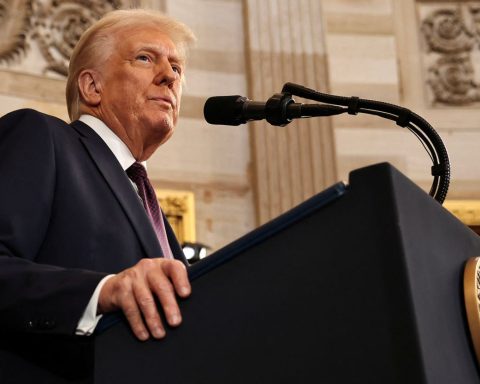
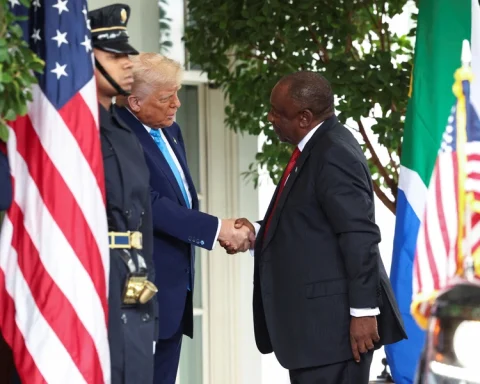
The US reciprocal tariffs on Wednesday, 9th April, becomes effect on numerous countries, including Nigeria.
Washington has slapped 14% tariffs on the country’s exports, but Nigeria’s government has decided to stand down on any retaliation. It remains to be seen whether this was a strategic move to prevent further tariffs from the United States. Nevertheless, these tariffs may impact growth given how Nigeria’s exports to the US have ranged between $5-6 billion annually.
Join our WhatsApp ChannelOne could argue that Nigeria is somewhat insulated given that over 90% of exports comprise crude oil and gas products. Nevertheless, growing concerns around Trump’s trade war tipping the global economy into a recession is a major risk for emerging markets.
READ ALSO: Expert Highlights Impact Of U.S. Trade Tariff On Nigeria
Beyond trade developments, Nigeria remains exposed to volatile oil prices. Last week, Brent and WTI logged their steepest weekly losses in over a year. Oil prices remain pressured by deepening trade tensions and OPEC+ announcing an unexpectedly large supply boost. Crude oil has shed over 13% this month, dragging year-to-date losses closer to 15%. Such a development may complicate the government’s ability to implement the 2025 budget based on oil prices at $75 a barrel.
The sharp selloff in oil could mean more pain for the Naira which is among the worst performing emerging market currencies. Naira has shed 4% year-to-date versus the dollar and may extend losses if lower oil translates to falling foreign exchange reserves.
READ ALSO: Global Events: U.S. Tariff War Intensifies
On the data front, Nigeria will reveal its latest inflation figures in mid-April. Back in February, the annual inflation rate dropped to 23.2% to its lowest level since June 2023 while food inflation also cooled to 23.5% – its lowest rate since September 2022. While the decline in CPI has been attributed to a technical adjustment, further signs of cooling price pressures could spark discussions around potential CBN rate cuts in the second half of 2025.
Lukman Otunuga is a Senior Market Analyst at FXTM