PBA Reporter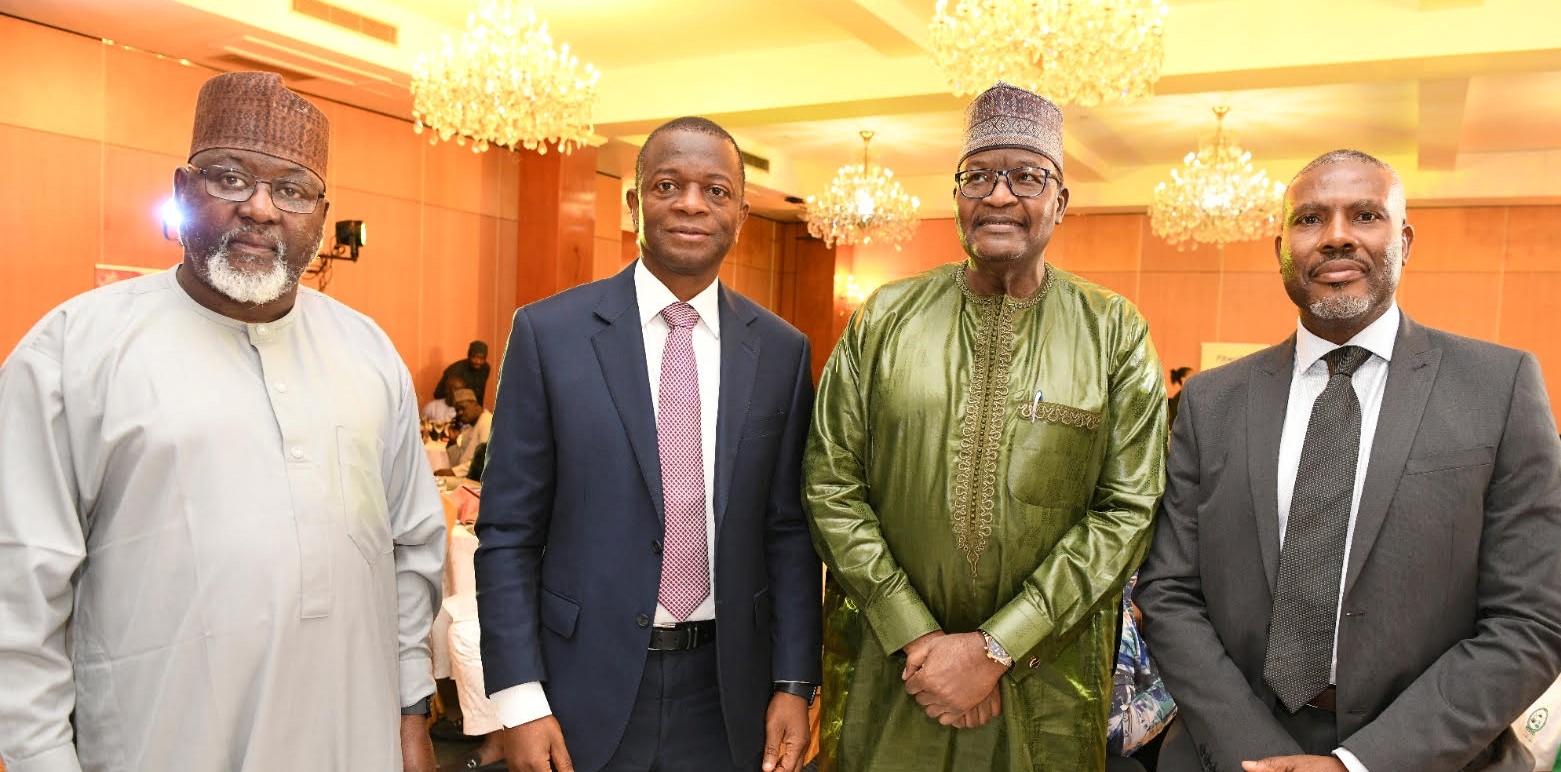
The telecommunications sector’s contribution to the nation’s Gross Domestic Product (GDP) has increased significantly to 16 per cent in the second quarter of 2023.
This is according to the data reported by the Nigerian Communications Commission (NCC) based on the computation by the Nigeria Bureau of Statistics (NBS).
Join our WhatsApp ChannelThe Executive Vice Chairman of NCC, Prof. Umar Danbatta, stated this in a keynote delivered at the annual Telecom Executives and Regulators Forum (TERF) hosted by the Association of Telecom Companies of Nigeria (ATCON) in Lagos on Thursday.
According to Danbatta, from a 14.13 per cent contribution in the first quarter of 2023, and up from the hitherto 15 per cent all-time-high record contributed in the second quarter of 2022, the telecommunications sector added 16 per cent to the national GDP in the second quarter of 2023 to set a new record.
Danbatta, while speaking on the theme: “Success Factors and Barriers to National Broadband and Digital Economy Aspirations”, took the audience, promising executives of telecom companies and other industry stakeholders, through the giant strides being made by the Commission.
From about 8 per cent contribution to GDP in 2015, when Danbatta came on board as the EVC of NCC, he said quarterly GDP has increased significantly to reach its current threshold of 16 per cent and that this has continued to positively impact all aspects of the economy.
“Through sustained regulatory excellence and operational efficiency by the Commission, the industry has grown in leaps and bounds over the past two decades and this has impacted on all other sectors of the economy. The effective regulatory regime emplaced by the NCC and with the support from all stakeholders has been our major success factor as an industry,” Danbatta said.
The EVC stated that while there are barriers to broadband deployment in the country, ranging from the issue of the right of way (RoW), fibre cuts, the high capital requirement for deployment, multiple taxations and regulations, among other challenges, the NCC is navigating regulatory complexities, digital divide and literacy, security concerns with firmness and increased collaborations with necessary stakeholders such as ATCON to create measures towards tackling the challenges.
Speaking about the RoW challenge, the EVC said there are about 46 different taxes directed at the telecom sector at the moment. Such charges and levels, coming in various names, are imposed on telecom operators by some agencies and tiers of government, especially at the state and local levels. Danbatta said the challenge translates into greater economic burdens on telecom subscribers in the country.
On connectivity, Danbatta said: “Over the years, we have identified some clusters of access gaps all over the country but we have recorded a significant drop in the number of access gaps, as we continue to drive initiatives that boost access to telecommunications services.”
He stated that the Commission does this by enlisting government commitment to a digital economy with robust policy frameworks, promotion of investment and funding, stimulation of infrastructure development, digital inclusion and literacy, promotion of competition and market liberalization, effective allocation of spectrum, as well as driving the e-government ecosystem.
Danbatta said with various ongoing regulatory efforts, “The NCC is confident that we are going to reach 50 per cent broadband penetration threshold by the end of 2023 and by 2025, we would have met and possibly surpassed the 70 per cent broadband penetration target, as contained in the Nigerian National Broadband Plan (NNBP), 2020-2025.”
The EVC particularly commended ATCON and its members for being partners in progress and for constantly engaging the Commission in constructive ways towards finding solutions to the myriad of challenges confronting the industry. The EVC said a national broadband network and a thriving digital economy are not without their challenges.
“However, these challenges can be overcome through determination, innovation, and strategic planning. By focusing on the success factors and addressing the barriers, we can create a future where every Nigerian has access to the opportunities that the digital world offers,” he added.
Danbatta also stated that the success of the nation’s digital aspirations is beyond technological advancements but also about transforming lives, driving economic growth, and ensuring that a nation remains competitive on the global stage.
“As we work together to navigate this path, I enjoin all our stakeholders in the public and private sectors to remain committed to building a brighter and more connected future for our country,” he added.