 Prosper Okoye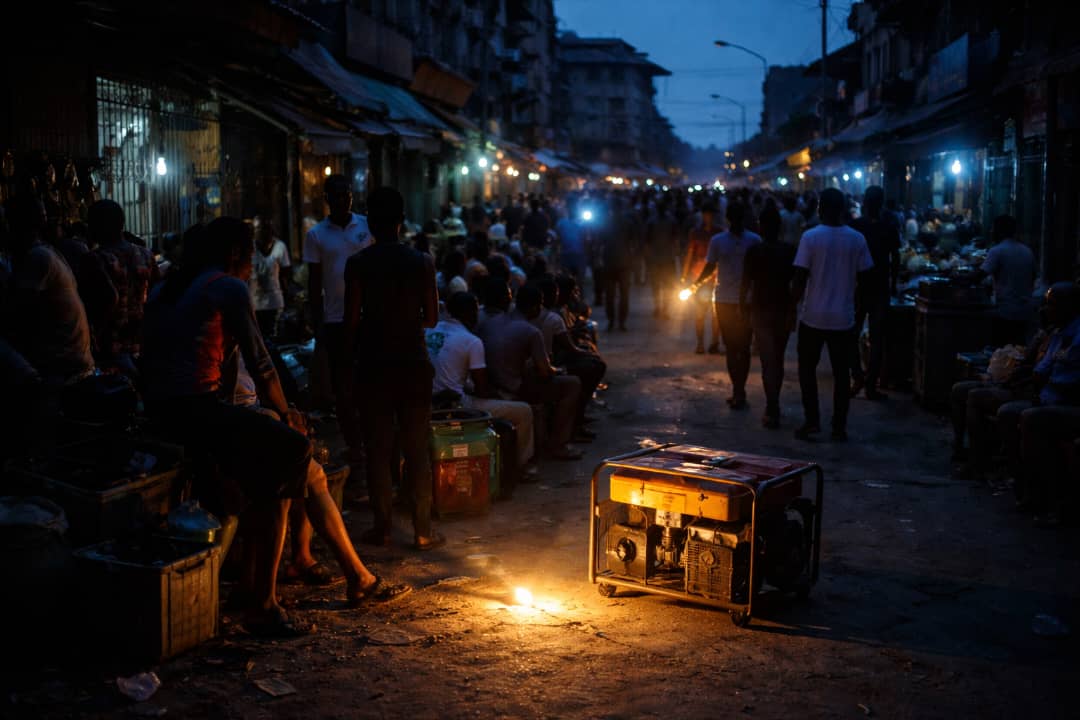
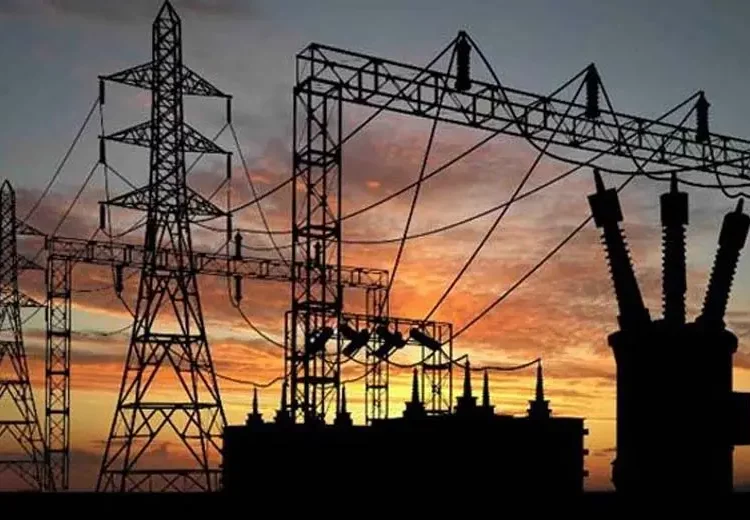
Nigeria’s national electricity grid collapsed again on Tuesday, 27 January 2026, cutting power across large parts of the country and deepening a sense of exhaustion among citizens for whom blackouts have become a constant feature of daily life rather than an occasional disruption.
The failure was the second nationwide grid collapse in 2026 and the second within just four to five days, following a similar incident on 23 January. Another collapse had occurred less than a month earlier, on 29 December 2025, reinforcing concerns about the growing fragility of the power system.
According to the Nigerian Independent System Operator (NISO), electricity supply to all 11 distribution companies fell to zero megawatts by around 11:00 local time. Power generation dropped sharply from about 3,800–4,500 megawatts earlier in the morning to as low as 39 megawatts, with some reports indicating it briefly fell to zero.
The collapse was confirmed at 10:53 a.m. by the national grid’s official account on X, which posted a brief message reading “Grid Collapse”, followed shortly by “Restoration is in progress”.
For many Nigerians, the announcement offered little comfort.
Despite the growth of alternative sources such as solar power and private generators, the national grid remains central to economic activity and public life. It supplies electricity to homes, hospitals, schools, businesses and critical infrastructure, and its failure has consequences that go far beyond temporary darkness, exposing the limits of alternatives that remain inaccessible or unaffordable for much of the population.
Living Without Certainty
Frequent grid failures have reshaped how people live and work. Electricity is no longer planned around availability but around absence.
Homes were left without lighting, fans and basic appliances, while businesses dependent on power were forced to shut down or switch to generators. In a country where fuel prices have risen sharply, this choice comes at a cost many can barely afford.
Small and medium-sized enterprises, which employ a large share of Nigeria’s workforce, are particularly vulnerable. Cold rooms, bakeries, salons, cybercafés and food vendors face losses from spoiled goods, reduced operating hours and rising fuel expenses. These costs are often passed on to consumers, feeding inflation and further eroding household income.
For wage earners paid daily, even a few hours without power can mean lost income that cannot be recovered.
Pressure on Essential Services
Beyond homes and businesses, repeated grid collapses place critical public services under strain.
Hospitals and clinics depend on backup generators to power life-saving equipment, but fuel shortages and maintenance problems mean these systems are not always reliable. Schools and universities are forced to suspend classes or examinations, while disruptions to mobile networks and internet services isolate people and slow emergency response.
Telecommunications companies, banks and fuel stations also experience interruptions, affecting transactions and access to cash and services. In a largely cash-dependent economy, even short outages can ripple quickly through daily life.
A System That Keeps Failing
The precise cause of Tuesday’s collapse has not yet been fully explained by authorities. This contrasts with the 23 January incident, which NISO linked to the tripping of multiple 330kV transmission lines and the shutdown of generating units.
However, energy experts point to long-standing structural problems rather than isolated technical faults. Nigeria’s transmission infrastructure is ageing, poorly maintained and overstretched.
Investment has lagged behind population growth, while vandalism, power theft and operational inefficiencies continue to weaken the system.
Despite power sector privatisation in 2013 and repeated government interventions, Nigeria still generates far below what its population and economy require. Average output often remains under 5,000 megawatts for more than 200 million people, leaving the grid fragile and prone to collapse.
Public Anger and Fatigue
Public reaction to the latest outage was swift, especially on social media, where frustration mixed with sarcasm and resignation.
Some Nigerians described the collapse as a “national embarrassment” and a “shame” in 2026. One widely shared comment joked that the country deserved a Guinness World Record for the “most national grid collapses of all time”.
Others noted how failure has become normalised, using phrases such as “another day, another grid collapse” and “this thing just dey fall every Eke market day”, reflecting how routine blackouts have become.
Criticism was often directed at governance and long-term neglect. Several posts argued that repeated failures were not accidents but the result of poor planning, weak regulation and misplaced priorities, despite billions of dollars spent on reforms and bailout programmes over the years.
Humour, for many, appeared to be a coping mechanism rather than amusement.
The Cost of Waiting
Analysts warn that without deep reforms, Nigeria’s power problems will continue to undermine economic growth and discourage investment. Estimates suggest that between $10bn and $30bn may be needed to modernise the grid, alongside policies that address electricity theft, tariff sustainability and long-term maintenance.
For now, restoration efforts continue after each collapse, but full recovery can take hours or days, depending on location.
For millions of Nigerians, the human cost is not just the darkness that follows a grid failure, but the long-term impact on livelihoods, services and trust in the system itself. With each collapse, the question grows louder: how long can a country keep functioning this way?

Prosper Okoye is a Correspondent and Research Writer at Prime Business Africa, a Nigerian journalist with experience in development reporting, public affairs, and policy-focused storytelling across Africa