 Prosper Okoye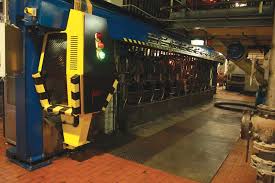
Inside a glass factory in north-west England, molten glass pours through chutes and is blown into bottles in furnaces that burn around the clock. But the energy needed to keep them running is becoming increasingly expensive — and, managers say, uncompetitive.
Encirc, which produces more than a third of the UK’s glass bottles, says it is paying far more for power than rivals in mainland Europe.
“We’re paying a lot more in energy costs than our European competitors,” said Oliver Harry, the company’s head of corporate affairs.
Join our WhatsApp ChannelBritain’s industrial electricity prices were the highest in Europe last year, according to government figures, driven largely by the country’s heavy reliance on natural gas and the way wholesale power prices are set.
Harry said some UK customers are now turning to cheaper imports.
“We’re already seeing more glass coming in from overseas, including from China and Turkey, where production is often more polluting,” he said.
Pressure on Heavy Industry
Manufacturers in energy-intensive sectors such as steel, chemicals, cement and glass say current government support does not go far enough to protect them.
The government says it will increase discounts on electricity network charges to 90% from April, cutting bills by a total of about £420m a year for around 500 of the biggest energy users.
“Lowering bills is central to every decision we make,” a government spokesperson said.
But the steel industry says prices remain far higher than elsewhere in Europe.
“The industry still faces power costs nearly 40% higher than in France and Germany,” said Gareth Stace, director general of UK Steel.
Industry groups are calling for a pricing system that shields manufacturers from volatile gas markets, similar to schemes in France, Italy and Spain.
Why Power is So Expensive
More than a quarter of the UK’s electricity still comes from gas-fired power stations. Under the country’s pricing system, the most expensive plant needed to meet demand — usually a gas plant — sets the price for all electricity.
That became a major problem after gas prices surged following Russia’s invasion of Ukraine in 2022. Although prices have fallen since, they remain higher than before the crisis.
“In France, nuclear power often sets the price, and it’s cheaper,” said Sam Fankhauser, a professor of climate economics at the University of Oxford.
“In the UK, it’s almost always gas setting the price, and that keeps bills high.”
A Green Transition at Risk
Manufacturers say the energy crunch comes at a critical time, as they invest in cutting carbon emissions.
Encirc says it aims to produce bottles with 80% lower emissions by the end of the decade.
The UK has sharply reduced its use of coal and expanded renewable energy, but experts say the transition is incomplete.
READ ALSO:
Starmer, Trump Discuss Ukraine Peace Talks, Iran Nuclear Negotiations, Gaza Aid
Why UK Is Returning Nigeria’s Cultural Artefacts
UK vs Nigeria: Is Electricity Really More Expensive in Nigeria?
“It’s unfortunate that this gas price shock came just as coal was phased out, before enough renewables were in place,” said Gregor Singer of the London School of Economics.
In the long term, he said, electricity prices should fall as more wind, solar and other low-cost power comes on stream — but for now, British industry is struggling to compete.

Prosper Okoye is a Correspondent and Research Writer at Prime Business Africa, a Nigerian journalist with experience in development reporting, public affairs, and policy-focused storytelling across Africa