 Prosper Okoye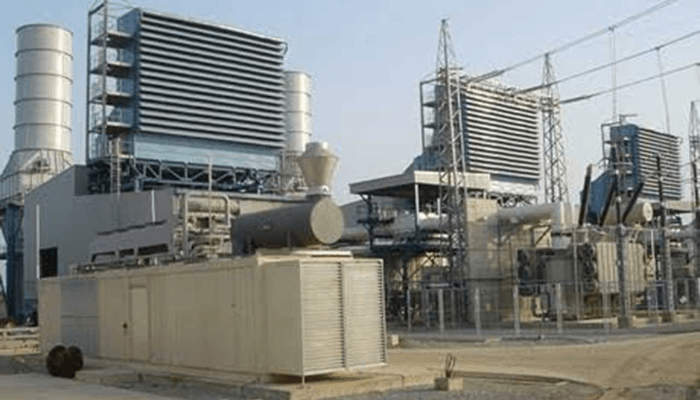
Nigeria’s electricity grid disruption on Tuesday was caused by a voltage disturbance at a transmission substation in the north-eastern state of Gombe, the country’s system operator has said.
In a statement, the Nigerian Independent System Operator (NISO) said the incident did not amount to a total collapse of the national grid, contradicting reports by some media outlets.
The disturbance, which was the second recorded this year, briefly affected power supply in several parts of the country before electricity was restored.
Join our WhatsApp ChannelNISO said the problem originated at the Gombe transmission substation and spread across parts of the transmission network, triggering the tripping of some transmission lines and power-generating units.
“The incident only affected part of the national grid and therefore did not constitute a total system collapse,” the operator said.
It added that technical teams moved quickly to stabilise the system, with restoration completed within hours.
According to NISO, the voltage disturbance propagated to other key substations, including Jebba, Kainji and Ayede, before corrective measures brought the system back to normal operation.
Nigeria’s power grid has suffered repeated disruptions in recent years, highlighting long-standing weaknesses in the country’s electricity infrastructure.
National Grid Collapses Again, Triggers Nationwide Blackout as TCN Begins Restoration
Nigeria’s Grid Collapse: More Than a Power Cut
Nigeria’s Power Grid Defends Record as Nigerians Voice Frustration Over Electricity Supply
In 2025 alone, the grid collapsed several times, with the last incident recorded on 29 December. Tuesday’s outage was classified as a partial system collapse, after power generation briefly dropped to zero megawatts at about 11:00 local time.
Prosper Okoye is a Correspondent and Research Writer at Prime Business Africa, a Nigerian journalist with experience in development reporting, public affairs, and policy-focused storytelling across Africa
- Prosper Okoye
- Prosper Okoye
- Prosper Okoye
- Prosper Okoye
- Prosper Okoye
- Prosper Okoye
- Prosper Okoye
- Prosper Okoye
- Prosper Okoye
- Prosper Okoye
- Prosper Okoye
- Prosper Okoye
- Prosper Okoye
- Prosper Okoye
- Prosper Okoye
- Prosper Okoye
- Prosper Okoye
- Prosper Okoye
- Prosper Okoye
- Prosper Okoye
- Prosper Okoye
- Prosper Okoye
- Prosper Okoye
- Prosper Okoye
- Prosper Okoye
- Prosper Okoye
- Prosper Okoye
- Prosper Okoye
- Prosper Okoye
- Prosper Okoye
- Prosper Okoye
- Prosper Okoye
- Prosper Okoye
- Prosper Okoye
- Prosper Okoye
- Prosper Okoye
- Prosper Okoye
- Prosper Okoye
- Prosper Okoye
- Prosper Okoye
- Prosper Okoye
- Prosper Okoye
- Prosper Okoye
- Prosper Okoye
- Prosper Okoye
- Prosper Okoye
- Prosper Okoye
- Prosper Okoye
- Prosper Okoye
- Prosper Okoye
- Prosper Okoye
- Prosper Okoye
- Prosper Okoye
- Prosper Okoye
- Prosper Okoye
- Prosper Okoye
- Prosper Okoye
- Prosper Okoye
- Prosper Okoye
- Prosper Okoye
- Prosper Okoye
- Prosper Okoye
- Prosper Okoye
- Prosper Okoye
- Prosper Okoye
- Prosper Okoye
- Prosper Okoye
- Prosper Okoye
- Prosper Okoye
- Prosper Okoye
- Prosper Okoye
- Prosper Okoye
- Prosper Okoye
- Prosper Okoye
- Prosper Okoye
- Prosper Okoye
- Prosper Okoye
- Prosper Okoye
- Prosper Okoye
- Prosper Okoye
- Prosper Okoye
- Prosper Okoye
- Prosper Okoye
- Prosper Okoye
- Prosper Okoye
- Prosper Okoye
- Prosper Okoye
- Prosper Okoye
- Prosper Okoye
- Prosper Okoye
- Prosper Okoye
- Prosper Okoye
- Prosper Okoye
- Prosper Okoye
- Prosper Okoye