 Prosper Okoye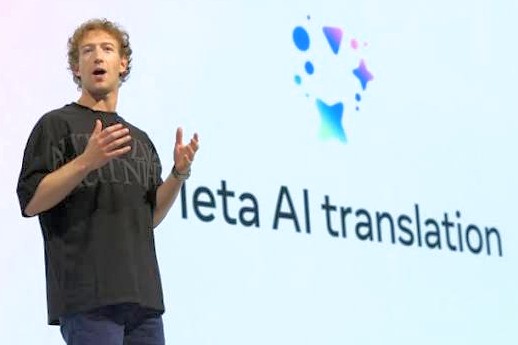
Meta, the parent company of Facebook, plans to almost double its investment in artificial intelligence (AI) this year, signalling a major push to transform its operations and increase productivity.
CEO Mark Zuckerberg told financial analysts on Wednesday that the company expects to spend up to $135 billion (£97 billion) on AI in 2026, almost twice the $72 billion spent in 2025.
Over the past three years, Meta has invested approximately $140 billion in AI projects, infrastructure, and research.
Join our WhatsApp ChannelZuckerberg described 2026 as “the year that AI dramatically changes the way we work,” noting that AI tools are allowing tasks previously handled by large teams to be completed by fewer staff.
He said the company is using AI across its engineering and operational divisions to increase efficiency.
The announcement comes amid ongoing job reductions at Meta, including hundreds of layoffs in its Reality Labs division, which focuses on the metaverse, hardware, and AI.
Zuckerberg suggested that AI could help reduce labour needs further while maintaining output.
Industry experts have cautioned that the AI sector may be overheating. Cisco CEO Chuck Robbins described the current market as “probably a bubble,” while executives from JPMorgan Chase, Google, and OpenAI have warned of excessive optimism in AI investment.
Nigerian Government Organises Training for Citizens On Artificial Intelligence
Instagram, Facebook, WhatsApp Users to Pay Under New Plan
Google, Netflix, Facebook Pay N2.55trn Taxes To Nigeria In 6 Months- Report
Meta’s fourth-quarter 2025 financial report showed that costs were rising faster than revenues, narrowing profit margins. Despite this, the company’s share price rose by around 6.5% in after-hours trading following the AI spending announcement, reflecting investor confidence in the long-term growth potential of AI.
The move positions Meta at the forefront of corporate AI investment, as technology companies increasingly prioritise AI to reshape workflows, product development, and competitive advantage. Analysts warn, however, that the financial and operational risks associated with such rapid expansion remain significant.

Prosper Okoye is a Correspondent and Research Writer at Prime Business Africa, a Nigerian journalist with experience in development reporting, public affairs, and policy-focused storytelling across Africa
- Prosper Okoye
- Prosper Okoye
- Prosper Okoye
- Prosper Okoye
- Prosper Okoye
- Prosper Okoye
- Prosper Okoye
- Prosper Okoye
- Prosper Okoye
- Prosper Okoye
- Prosper Okoye
- Prosper Okoye
- Prosper Okoye
- Prosper Okoye
- Prosper Okoye
- Prosper Okoye
- Prosper Okoye
- Prosper Okoye
- Prosper Okoye
- Prosper Okoye
- Prosper Okoye
- Prosper Okoye
- Prosper Okoye
- Prosper Okoye
- Prosper Okoye
- Prosper Okoye
- Prosper Okoye
- Prosper Okoye
- Prosper Okoye
- Prosper Okoye
- Prosper Okoye
- Prosper Okoye
- Prosper Okoye
- Prosper Okoye
- Prosper Okoye
- Prosper Okoye
- Prosper Okoye
- Prosper Okoye
- Prosper Okoye
- Prosper Okoye
- Prosper Okoye
- Prosper Okoye
- Prosper Okoye
- Prosper Okoye
- Prosper Okoye
- Prosper Okoye
- Prosper Okoye
- Prosper Okoye
- Prosper Okoye
- Prosper Okoye
- Prosper Okoye
- Prosper Okoye
- Prosper Okoye
- Prosper Okoye
- Prosper Okoye
- Prosper Okoye
- Prosper Okoye
- Prosper Okoye
- Prosper Okoye
- Prosper Okoye
- Prosper Okoye
- Prosper Okoye
- Prosper Okoye
- Prosper Okoye
- Prosper Okoye
- Prosper Okoye
- Prosper Okoye
- Prosper Okoye
- Prosper Okoye
- Prosper Okoye
- Prosper Okoye
- Prosper Okoye
- Prosper Okoye
- Prosper Okoye
- Prosper Okoye
- Prosper Okoye
- Prosper Okoye
- Prosper Okoye
- Prosper Okoye
- Prosper Okoye
- Prosper Okoye
- Prosper Okoye
- Prosper Okoye
- Prosper Okoye
- Prosper Okoye
- Prosper Okoye
- Prosper Okoye
- Prosper Okoye
- Prosper Okoye
- Prosper Okoye
- Prosper Okoye
- Prosper Okoye
- Prosper Okoye
- Prosper Okoye