 Prosper Okoye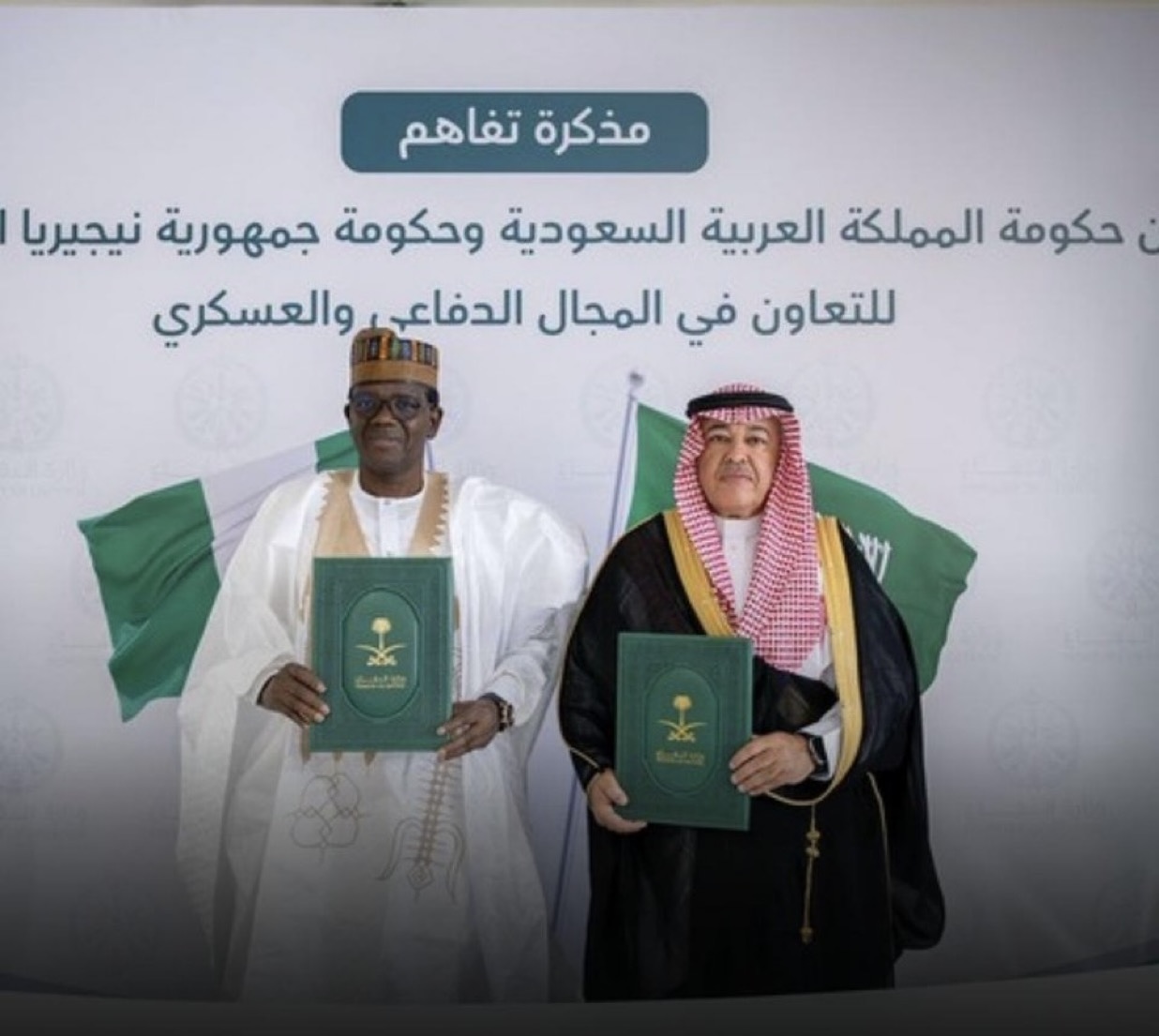
For years, the stories many Nigerians associated with Saudi Arabia were not about opportunity, but about risk.
They were shared quietly in families and on social media: accounts of workers stranded without pay, domestic staff unable to leave their employers’ homes, and young people who travelled in search of a better life and returned with little to show for it.
That history shaped the reaction when Nigeria and Saudi Arabia announced this week that they had signed their first formal labour recruitment agreement.
Join our WhatsApp ChannelThe deal, which creates a regulated pathway for Nigerians to take up jobs in the kingdom through licensed agencies, was welcomed by a country hungry for employment. But it was also met with caution, reflecting years of uneasy experiences in the Gulf.
On social media, the news spread rapidly. Some users described it as a chance to escape Nigeria’s economic hardship. Others warned that past promises of protection had not always been honoured.
Escape From a Struggling Economy
The agreement was signed in Riyadh on the sidelines of the Global Labour Market Conference and is designed to replace informal recruitment networks with a system overseen by both governments.
The two governments say it will provide contracts, clearer employment terms and stronger worker protections.
For Nigeria, the timing is critical.
The country is dealing with high youth unemployment, a weak currency and rising living costs. Even graduates struggle to find steady work, and remittances from Nigerians abroad have become a vital source of income for many families.
That is why the announcement resonated so strongly.
“I don’t really care where the job is, as long as it pays,” said Sadiq, a 27-year-old graduate in Kano who has been unemployed since finishing university two years ago. “If I can earn in riyals and send money home, it will change everything for my family.”
For many young Nigerians like him, Saudi Arabia represents not just a destination, but the possibility of financial stability.
Why Saudi Arabia Needs Nigerian Workers
Saudi Arabia also has strong reasons to look to Nigeria.
Under its Vision 2030 programme, the kingdom is trying to reduce its dependence on oil and expand sectors such as tourism, healthcare, logistics and technology. That expansion requires a large workforce, and not only in construction or domestic work.
While Saudi Arabia has traditionally relied on labour from South Asia, it is now turning more towards Africa, where populations are young, mobile and increasingly skilled. Nigeria, with Africa’s largest workforce and a large pool of English-speaking professionals, has become an important part of that strategy.
The new agreement formally positions Nigeria as a partner in supplying labour to one of the world’s biggest job markets.
Memories of the Gulf
Despite the optimism, many Nigerians remain uneasy.
For decades, workers have travelled to Saudi Arabia through informal channels, sometimes ending up in situations of exploitation. Nigerian embassies and rights groups have dealt with cases involving unpaid wages, confiscated passports and abuse, particularly among domestic workers.
Although Saudi Arabia has made changes to its labour system in recent years, those memories still shape how the new deal is being received.
Aisha Usman, who returned from Riyadh in 2021, said she hoped the new agreement would be different. “We were told everything was legal when we went,” she said. “But when the salary stopped and you had no documents, there was nobody to turn to.”
That is why the emphasis on licensed recruiters, monitored contracts and official oversight is so important. Many Nigerians will be watching closely to see whether the protections promised on paper are enforced in practice.
Saudi Arabia Rejects Israel’s Recognition of Somaliland, Reaffirms Support for Somalia
Markets Poised as UK Prime Minister Starmer Delivers Crucial Labour Conference Speech
Dangote Risks Gas Supply Cut as Labour Dispute Boils Over
A High-Stakes Experiment
For Nigeria, the deal offers the prospect of jobs, foreign currency and a safer way for citizens to work abroad. For Saudi Arabia, it supports its ambition to reshape its economy and attract a more diverse workforce.
But it is also a test.
If the system works, it could mark a new chapter in labour migration between Africa and the Gulf. If it does not, it risks repeating the mistakes that have made so many Nigerians wary of such opportunities.
For now, thousands of young people are waiting, weighing the hope of a better life against the warnings of the past.
Saudi Arabia may be opening its doors.
Whether Nigerians will be protected once they step inside remains the central question.

Prosper Okoye is a Correspondent and Research Writer at Prime Business Africa, a Nigerian journalist with experience in development reporting, public affairs, and policy-focused storytelling across Africa