 Prosper Okoye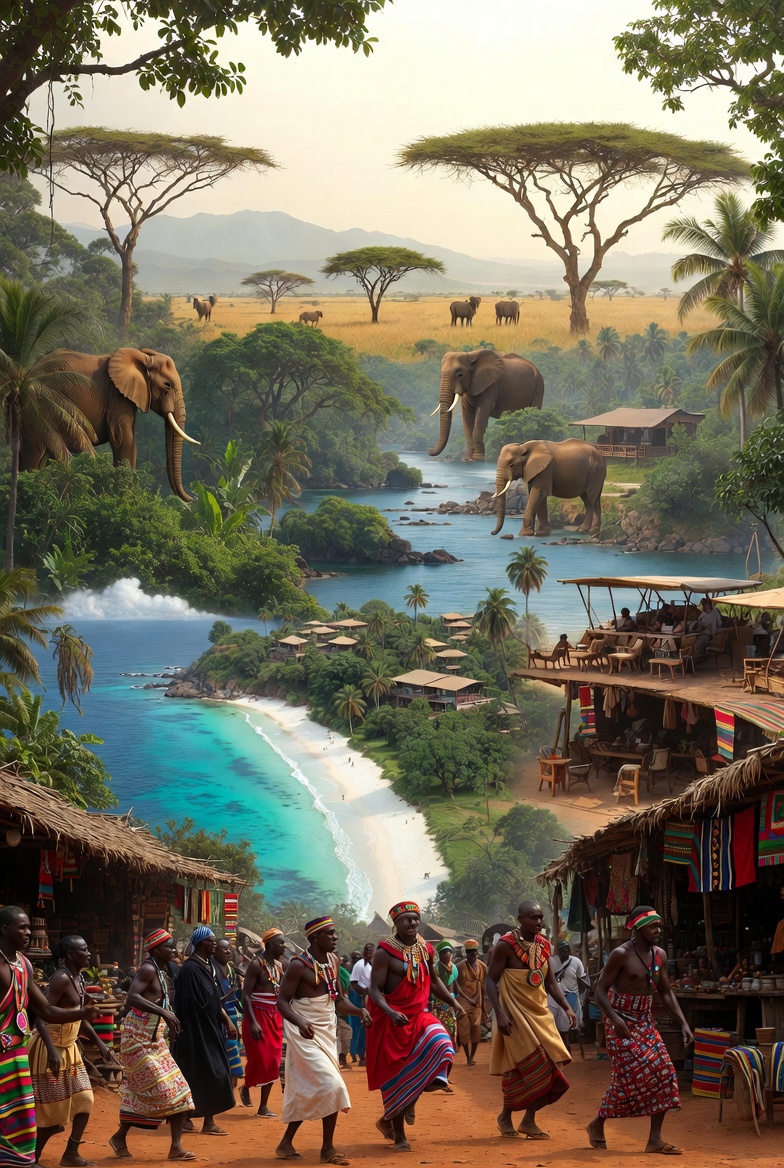
Africa is emerging as one of the world’s fastest-growing tourism regions, even as global travel settles into a slower, post-pandemic recovery.
New figures from the UN World Tourism Barometer show the continent welcomed about 81 million international visitors in 2025, an eight per cent increase on the previous year. That growth is double the global average, at a time when international tourist arrivals worldwide rose by four per cent to 1.52 billion.
Tourism officials say the figures reflect more than a rebound from Covid-19 disruptions. Instead, they point to structural changes in how and where people choose to travel.
“Demand for travel remained high throughout 2025, despite inflation in tourism services and uncertainty from geopolitical tensions,” said Shaikha Alnuwais, Secretary-General of UN Tourism. “We expect this positive trend to continue into 2026 as the global economy remains steady and destinations that lagged behind before fully recover.”
North Africa Driving Growth
Much of Africa’s growth came from North Africa, where arrivals rose by 11 per cent. Countries such as Morocco, Egypt and Tunisia have benefited from restored flight routes, expanded airport capacity and sustained interest from European travellers seeking affordable destinations closer to home.
Tourism analyst Nicolas Duval, who tracks Mediterranean travel flows, says proximity has been crucial. “For many Europeans, North Africa offers warm weather, culture and short flight times at a lower cost than southern Europe,” he said.
“That combination matters when household budgets are under pressure.”
Governments in the region have also simplified visa processes and invested heavily in marketing, particularly around heritage tourism, food culture and desert experiences.
Changing Travel Preferences
Beyond North Africa, tourism growth across the continent has been supported by a shift in traveller behaviour. Industry experts say there is rising interest in cultural experiences, festivals and nature-based travel, areas where African destinations have long held an advantage.
“Africa is no longer being sold only as a safari destination,” said Lola Adeyemi, a Lagos-based tourism consultant who works with regional operators.
“Travellers are asking about music, fashion, food and local history. That shift has opened new markets.”
Improved digital visibility has helped smaller operators reach international visitors directly, particularly through social media and global booking platforms.
Better connections, easier entry
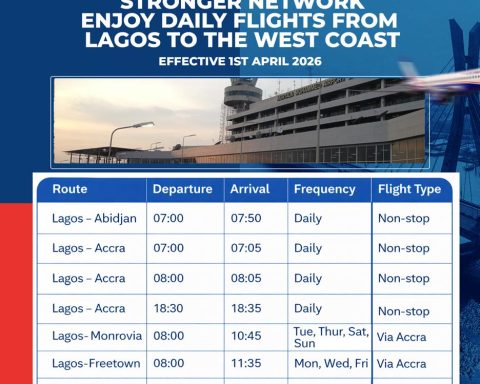
Air connectivity has also played a role. New and restored routes linking African cities to Europe, the Middle East and Asia have reduced travel times and costs, while increased regional flights have made multi-country trips easier.
According to UN Tourism, improved air access and visa facilitation were among the main factors supporting global travel growth in 2025.
“Connectivity changes everything,” said Jean-Paul Kamanzi, a regional aviation specialist based in East Africa. “Once flights become regular and predictable, tourism follows. We are seeing that across parts of the continent.”
Several African countries have introduced visa-on-arrival or electronic visa systems in recent years, removing a long-standing barrier to international travel.
How Africa Compares Globally
Africa’s performance contrasts with other regions. The Middle East recorded three per cent growth in 2025, reaching almost 100 million visitors, about 39 per cent above pre-pandemic levels, making it the strongest-performing region compared with 2019.
Globally, tourism growth has now returned close to pre-pandemic trends, after a sharp rebound in 2023 and 2024.
UN Tourism says international arrivals are expected to grow by three to four per cent in 2026, assuming economic conditions remain favourable and conflicts do not escalate.
Despite the positive outlook, experts warn that challenges remain. High travel costs, geopolitical tensions and extreme weather events could weigh on demand.
“Tourists are becoming more price-sensitive,” said Ms Adeyemi. “Destinations that offer value for money, safety and reliable services will do better. Africa has the potential, but infrastructure and security still matter.”
UN Tourism’s Confidence Index suggests most experts expect tourism performance in 2026 to improve or remain stable, although inflation in tourism-related services remains a concern.
Bill Gates Says AI Could Double Efficiency of African Clinics
South Africa Cracks Down on Traffic After 13 Children Die in Crash
Senegal Win Africa Cup of Nations After Extra-Time Thriller Against Morocco
For Africa, the latest figures suggest the continent is no longer simply recovering from pandemic losses. Instead, it is beginning to secure a stronger place in a changing global tourism landscape — one shaped by new priorities, new routes and a growing curiosity about the continent itself.

Prosper Okoye is a Correspondent and Research Writer at Prime Business Africa, a Nigerian journalist with experience in development reporting, public affairs, and policy-focused storytelling across Africa