 Prosper Okoye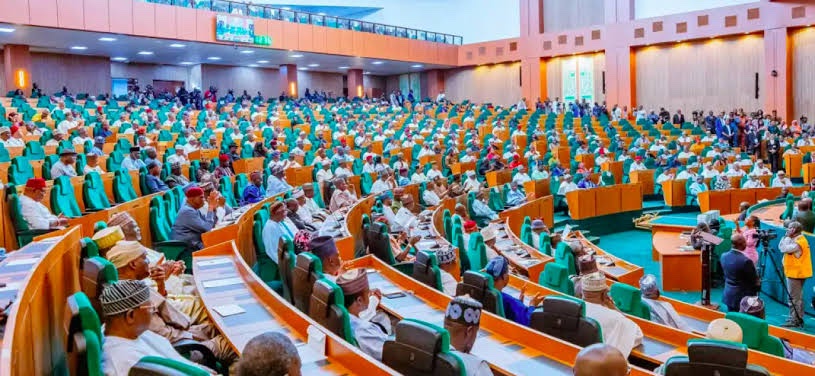
The House of Representatives has begun moves to establish a legal framework to guide the country’s decarbonisation programme as part of efforts to accelerate the transition to a low-carbon economy, lawmakers said on Thursday.
The proposed National Decarbonisation Bill has passed first and second readings in the House of Representatives and is expected to proceed to a public hearing later this month, according to Sesi Whingan, chairman of the House committee on mandatory national decarbonisation.
Join our WhatsApp ChannelWhingan said the legislation is intended to complement existing climate policies, including the Climate Change Act (Nigeria), while creating a more coordinated legal structure for Nigeria’s energy transition and emissions-reduction efforts.
“This bill is designed to complement what the National Council on Climate Change is already doing,” he told journalists after a technical roundtable with stakeholders in Abuja.
The lawmaker said the proposed law would strengthen the work of the National Council on Climate Change and harmonise policies related to emission reduction and energy transition across different sectors of the economy.
Representatives from the private sector, oil and gas industry, environmental groups and energy experts attended the roundtable to discuss the proposed framework and the broader decarbonisation agenda.
Whingan said stable policies and sustainable financing would be critical to attracting investment into clean energy and low-carbon technologies.
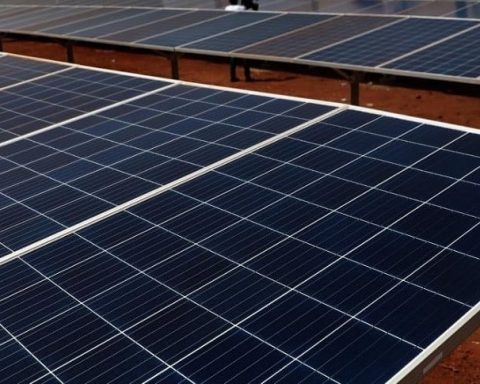
Nigeria has pledged to achieve net-zero carbon emissions by 2060 under the Paris Agreement, a commitment that has shaped its Energy Transition Plan and climate policies in recent years.
READ ALSO:
Oyedele to Replace Uzoka-Anite as Finance State Minister
AGRA, Nestle, TechnoServe Launch Climate-smart Agriculture Initiative in Nigeria
House Panel Confirms Unauthorized Alterations in Nigeria’s Gazetted Tax Laws
Lawmakers said the proposed bill would help provide clearer legal backing for the country’s emission-reduction targets and create a more predictable regulatory environment for climate-related investments.

Prosper Okoye is a Correspondent and Research Writer at Prime Business Africa, a Nigerian journalist with experience in development reporting, public affairs, and policy-focused storytelling across Africa
- Prosper Okoye
- Prosper Okoye
- Prosper Okoye
- Prosper Okoye
- Prosper Okoye
- Prosper Okoye
- Prosper Okoye
- Prosper Okoye
- Prosper Okoye
- Prosper Okoye
- Prosper Okoye
- Prosper Okoye
- Prosper Okoye
- Prosper Okoye
- Prosper Okoye
- Prosper Okoye
- Prosper Okoye
- Prosper Okoye
- Prosper Okoye
- Prosper Okoye
- Prosper Okoye
- Prosper Okoye
- Prosper Okoye
- Prosper Okoye
- Prosper Okoye
- Prosper Okoye
- Prosper Okoye
- Prosper Okoye
- Prosper Okoye
- Prosper Okoye
- Prosper Okoye
- Prosper Okoye
- Prosper Okoye
- Prosper Okoye
- Prosper Okoye
- Prosper Okoye
- Prosper Okoye
- Prosper Okoye
- Prosper Okoye
- Prosper Okoye
- Prosper Okoye
- Prosper Okoye
- Prosper Okoye
- Prosper Okoye
- Prosper Okoye
- Prosper Okoye
- Prosper Okoye
- Prosper Okoye
- Prosper Okoye
- Prosper Okoye
- Prosper Okoye
- Prosper Okoye
- Prosper Okoye
- Prosper Okoye
- Prosper Okoye
- Prosper Okoye
- Prosper Okoye
- Prosper Okoye
- Prosper Okoye
- Prosper Okoye
- Prosper Okoye
- Prosper Okoye
- Prosper Okoye
- Prosper Okoye
- Prosper Okoye
- Prosper Okoye
- Prosper Okoye
- Prosper Okoye
- Prosper Okoye
- Prosper Okoye
- Prosper Okoye
- Prosper Okoye
- Prosper Okoye
- Prosper Okoye
- Prosper Okoye
- Prosper Okoye
- Prosper Okoye
- Prosper Okoye
- Prosper Okoye
- Prosper Okoye
- Prosper Okoye
- Prosper Okoye
- Prosper Okoye
- Prosper Okoye
- Prosper Okoye
- Prosper Okoye