 Prosper Okoye
By Matthew Anthony, Senior Market Analyst – Africa
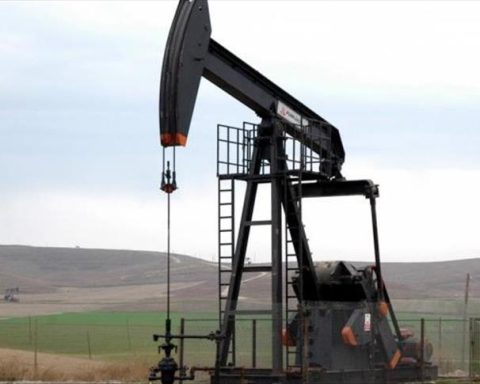
Oil prices spiked to just above $120 over the weekend as the escalation of the Israel–US–Iran conflict intensified, with key energy installations reportedly targeted.
As a result, major oil suppliers are expected to meet shortly to consider releasing crude from their strategic reserves. Another contributor to the rise in oil prices has been the effective closure of the Strait of Hormuz, through which about 20 per cent of the world’s oil supply passes.
Major oil-producing nations like Nigeria may benefit from this conflict, provided they are able to contain inflation — a major consequence of rising oil prices — and use the windfall to meet critical budget needs while preparing for potential market shocks.
Join our WhatsApp ChannelOutside Nigeria, a wave of risk aversion engulfed global markets on Monday as the ongoing conflict in the Middle East accelerated the flight to safety.
Asian shares plunged, European markets opened deep in the red, while US equity futures signalled a negative open as investors scrambled to price in the uncertainty stemming from the Iran conflict.
In the commodity space, oil prices jumped more than 25 per cent as major Middle East producers curbed output. Brent crude has gained roughly 30 per cent this month, pushing its 2026 gains to more than 70 per cent, while WTI crude is up nearly 80 per cent year-to-date at the time of writing.
The last time oil benchmarks crossed into triple digits was in 2022 during the Russia–Ukraine war. For many, it remains a painful memory, as geopolitical risks and COVID-19 supply disruptions caused inflation to surge across the globe.
In the foreign exchange market, the US dollar remains supported by safe-haven demand, along with the Swiss franc. However, the standout performer has been the Canadian dollar, which has appreciated against every G10 currency month-to-date due to its sensitivity to oil markets.
Gold ended last week in losses despite the risk-off sentiment and a disappointing non-farm payrolls (NFP) report. Payrolls fell by 92,000, representing the largest monthly decline since October 2025, while the unemployment rate rose to 4.4 per cent.
However, gold remains locked within a daily range due to a broadly stronger dollar and inflationary risks linked to the conflict in the Middle East. Surging energy prices have sparked inflation concerns, forcing markets to reassess the likelihood of lower interest rates.
Traders are currently pricing in a 50 per cent chance that the US Federal Reserve will cut rates twice in 2026. The February Consumer Price Index (CPI) and January Personal Consumption Expenditures (PCE) index — the Fed’s preferred inflation gauge — may offer crucial insight into the path of price pressures.
READ ALSO:
Iran’s Clerical Assembly Appoints Mojtaba Khamenei as New Supreme Leader
Should incoming inflation data further reduce expectations of Fed rate cuts, the dollar could strengthen, putting additional pressure on precious metals. Technically, a weekly close below $5,000 may signal a steeper decline, although bullish traders could still attempt a rebound if the $5,000 level proves to be reliable support.

Prosper Okoye is a Correspondent and Research Writer at Prime Business Africa, a Nigerian journalist with experience in development reporting, public affairs, and policy-focused storytelling across Africa
- Prosper Okoye
- Prosper Okoye
- Prosper Okoye
- Prosper Okoye
- Prosper Okoye
- Prosper Okoye
- Prosper Okoye
- Prosper Okoye
- Prosper Okoye
- Prosper Okoye
- Prosper Okoye
- Prosper Okoye
- Prosper Okoye
- Prosper Okoye
- Prosper Okoye
- Prosper Okoye
- Prosper Okoye
- Prosper Okoye
- Prosper Okoye
- Prosper Okoye
- Prosper Okoye
- Prosper Okoye
- Prosper Okoye
- Prosper Okoye
- Prosper Okoye
- Prosper Okoye
- Prosper Okoye
- Prosper Okoye
- Prosper Okoye
- Prosper Okoye
- Prosper Okoye
- Prosper Okoye
- Prosper Okoye
- Prosper Okoye
- Prosper Okoye
- Prosper Okoye
- Prosper Okoye
- Prosper Okoye
- Prosper Okoye
- Prosper Okoye
- Prosper Okoye
- Prosper Okoye
- Prosper Okoye
- Prosper Okoye
- Prosper Okoye
- Prosper Okoye
- Prosper Okoye
- Prosper Okoye
- Prosper Okoye
- Prosper Okoye
- Prosper Okoye
- Prosper Okoye
- Prosper Okoye
- Prosper Okoye
- Prosper Okoye
- Prosper Okoye
- Prosper Okoye
- Prosper Okoye
- Prosper Okoye
- Prosper Okoye
- Prosper Okoye
- Prosper Okoye
- Prosper Okoye
- Prosper Okoye
- Prosper Okoye
- Prosper Okoye
- Prosper Okoye
- Prosper Okoye
- Prosper Okoye
- Prosper Okoye
- Prosper Okoye
- Prosper Okoye
- Prosper Okoye
- Prosper Okoye
- Prosper Okoye
- Prosper Okoye
- Prosper Okoye
- Prosper Okoye
- Prosper Okoye
- Prosper Okoye
- Prosper Okoye
- Prosper Okoye
- Prosper Okoye
- Prosper Okoye
- Prosper Okoye
- Prosper Okoye
- Prosper Okoye
- Prosper Okoye
- Prosper Okoye
- Prosper Okoye
- Prosper Okoye
- Prosper Okoye