 Prosper Okoye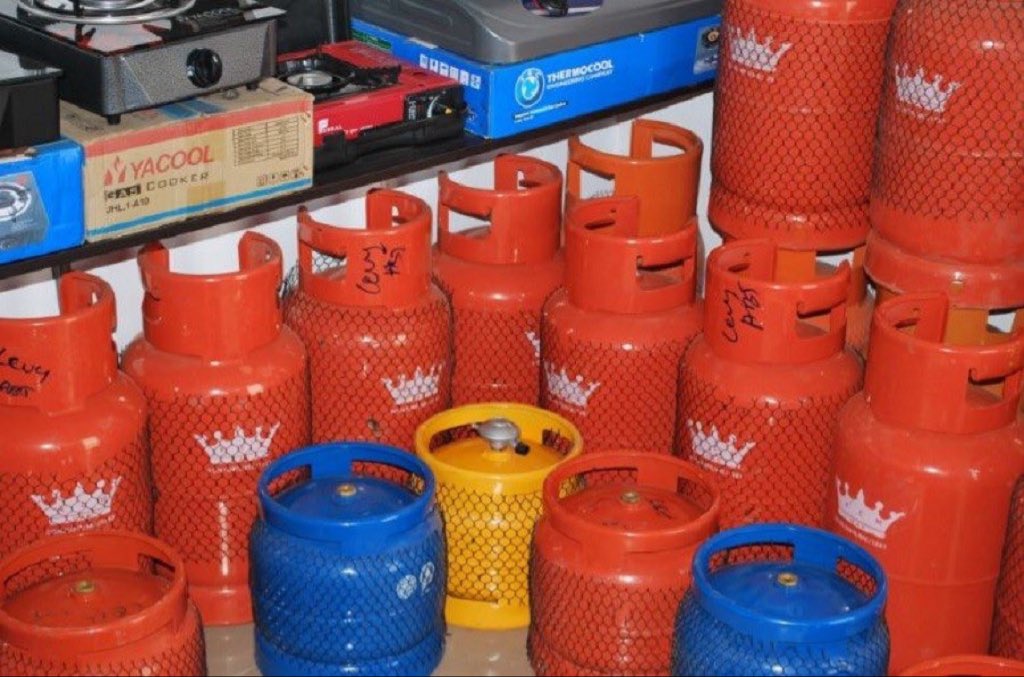
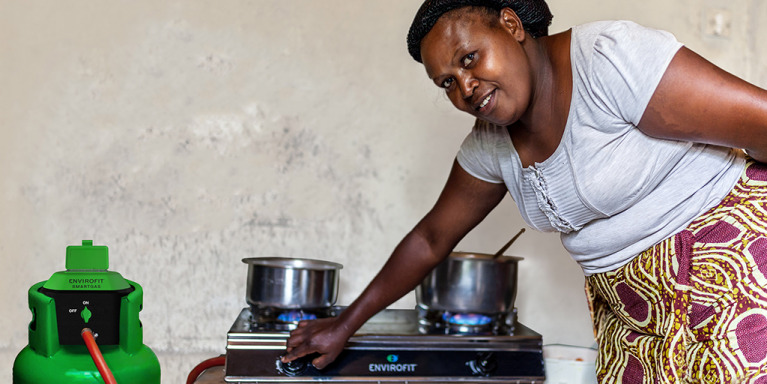
Cooking gas prices in Nigeria have jumped about 40 percent amid the ongoing fighting involving the United States, Israel and Iran.
Liquefied Petroleum Gas (LPG) now sells for about 1,400 naira per kilogramme at retail outlets in parts of Lagos, up from around 1,000 naira last week, according to marketers and checks at filling stations.
Join our WhatsApp ChannelThe ex-depot price has also risen sharply to about 18 million naira for 20 metric tonnes, compared with roughly 15.95 million naira a week earlier, said Inyang Edu, president of the Nigerian Association of Liquefied Petroleum Gas Marketers.
Edu attributed the increase to supply concerns in the international market following escalating tensions in the Middle East.
“We are faced with limited supply in the international market due to the Iraq–Israel–American crisis, which has now triggered the price increase,” he said.
Although Nigeria produces some LPG locally, including supplies from the Dangote Refinery, domestic prices remain tied to global market trends because the product is traded internationally in dollars, he added.
Edu said some depots were selling LPG for as much as 19 million naira per 20 metric tonnes, forcing marketers to adjust prices to retailers and consumers.
Supply across the country remains relatively stable, he said, though some depots are temporarily out of stock while awaiting shipments.
The rise in gas prices comes as global crude oil prices climb to around $84 per barrel, prompting price adjustments across petroleum products.
READ ALSO:
Dozens Feared Dead After Gas Leak At Plateau Mining Site
Oil Workers Kick as PENGASSAN Seeks Reversal of Tinubu’s Revenue Order, Warns of Possible Layoffs
Tinubu Signs Executive Order Redirecting Oil, Gas Revenues to Federation Account
Edu said the ex-depot price of petrol had also risen to about 875 naira per litre from 774 naira previously, warning the increases could raise transport and food costs across Africa’s most populous nation.

Prosper Okoye is a Correspondent and Research Writer at Prime Business Africa, a Nigerian journalist with experience in development reporting, public affairs, and policy-focused storytelling across Africa
- Prosper Okoye
- Prosper Okoye
- Prosper Okoye
- Prosper Okoye
- Prosper Okoye
- Prosper Okoye
- Prosper Okoye
- Prosper Okoye
- Prosper Okoye
- Prosper Okoye
- Prosper Okoye
- Prosper Okoye
- Prosper Okoye
- Prosper Okoye
- Prosper Okoye
- Prosper Okoye
- Prosper Okoye
- Prosper Okoye
- Prosper Okoye
- Prosper Okoye
- Prosper Okoye
- Prosper Okoye
- Prosper Okoye
- Prosper Okoye
- Prosper Okoye
- Prosper Okoye
- Prosper Okoye
- Prosper Okoye
- Prosper Okoye
- Prosper Okoye
- Prosper Okoye
- Prosper Okoye
- Prosper Okoye
- Prosper Okoye
- Prosper Okoye
- Prosper Okoye
- Prosper Okoye
- Prosper Okoye
- Prosper Okoye
- Prosper Okoye
- Prosper Okoye
- Prosper Okoye
- Prosper Okoye
- Prosper Okoye
- Prosper Okoye
- Prosper Okoye
- Prosper Okoye
- Prosper Okoye
- Prosper Okoye
- Prosper Okoye
- Prosper Okoye
- Prosper Okoye
- Prosper Okoye
- Prosper Okoye
- Prosper Okoye
- Prosper Okoye
- Prosper Okoye
- Prosper Okoye
- Prosper Okoye
- Prosper Okoye
- Prosper Okoye
- Prosper Okoye
- Prosper Okoye
- Prosper Okoye
- Prosper Okoye
- Prosper Okoye
- Prosper Okoye
- Prosper Okoye
- Prosper Okoye
- Prosper Okoye
- Prosper Okoye
- Prosper Okoye
- Prosper Okoye
- Prosper Okoye
- Prosper Okoye
- Prosper Okoye
- Prosper Okoye
- Prosper Okoye
- Prosper Okoye
- Prosper Okoye
- Prosper Okoye
- Prosper Okoye
- Prosper Okoye
- Prosper Okoye
- Prosper Okoye
- Prosper Okoye