 Prosper Okoye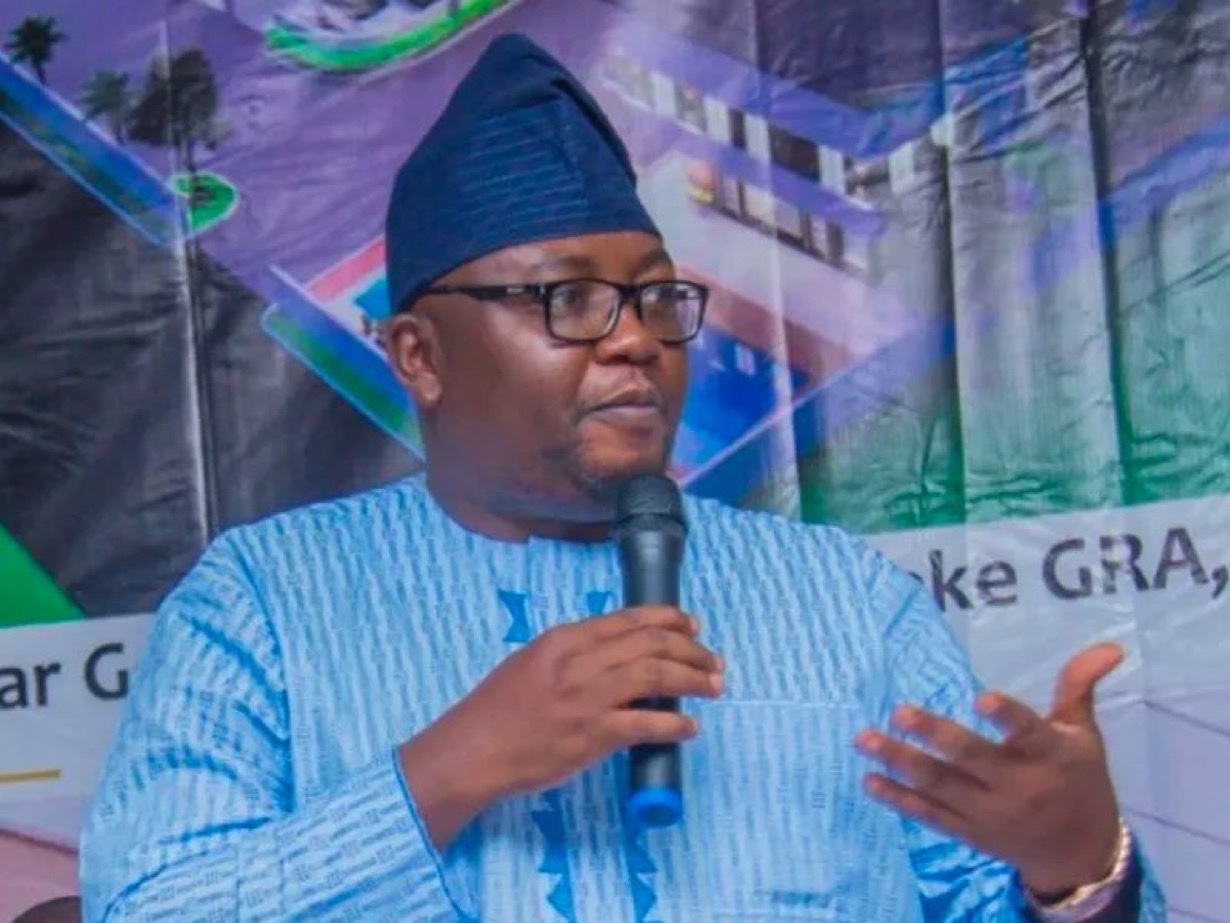
Nigeria’s government has ordered electricity distribution companies to stop charging customers for meter installation, warning that officials who demand payment will face prosecution.
The Minister of Power, Adebayo Adelabu, announced the nationwide ban on Thursday during an inspection of newly imported electricity meters in Lagos, saying that any attempt to extort consumers would be treated as a criminal offence.
“Meters provided under the World Bank–funded Distribution Sector Recovery Programme must be installed completely free of charge,” Mr Adelabu said. “Any DisCo official, installer or manufacturer found demanding money will be sanctioned and prosecuted.”
The directive comes as millions of Nigerians continue to complain about inflated electricity bills issued under the country’s estimated billing system, a practice regulators have repeatedly promised to eliminate.
Join our WhatsApp ChannelUnder the government-backed DISREP programme, about 3.4 million smart meters are being imported in phases to reduce the metering gap in Africa’s most populous nation. Officials say the first batch includes 1.43 million meters, nearly one million of which have already arrived, with about 150,000 installed nationwide.
During Thursday’s inspection at APM Terminals in Apapa, Lagos, the minister said an additional 500,000 meters had just been cleared, insisting the programme would “restore transparency, protect consumers and improve liquidity in the power sector”.
But public reaction has been mixed.
On social media platform X, some users welcomed the announcement as long-overdue relief, while others questioned whether the ban would be enforced.
“Fantastic news – this is a huge step for electricity consumers,” one user wrote. Another responded more cautiously: “We all know this doesn’t work.”
The government appears keenly aware of that scepticism. Mr Adelabu said monitoring mechanisms had been put in place, including a dedicated customer complaint desk run by the Nigerian Electricity Regulatory Commission (NERC) and state-level regulators.
“Confirmed cases of extortion will be publicly prosecuted to serve as a deterrent,” he warned.
Officials say the meters will be available to all consumer categories, not just those on premium electricity bands, and that customers who register through mobile platforms should receive installations within three days.
Nigeria still has more than five million electricity consumers without meters, according to official figures, leaving many households vulnerable to disputed bills and disconnections.
2026: Grid Collapse Rekindles Debate Over Nigeria’s Power Sector Failures
Nigeria’s Power Grid Defends Record as Nigerians Voice Frustration Over Electricity Supply
Behind the Geregu Power Sale: Politics and a $750m Deal
The Africa-focused World Bank-funded programme is part of broader reforms aimed at stabilising Nigeria’s power sector, which has long struggled with poor infrastructure, low revenue collection and public distrust.
For many consumers, however, the success of the policy will depend less on official promises than on what happens when installers arrive at their doors.

Prosper Okoye is a Correspondent and Research Writer at Prime Business Africa, a Nigerian journalist with experience in development reporting, public affairs, and policy-focused storytelling across Africa
- Prosper Okoye
- Prosper Okoye
- Prosper Okoye
- Prosper Okoye
- Prosper Okoye
- Prosper Okoye
- Prosper Okoye
- Prosper Okoye
- Prosper Okoye
- Prosper Okoye
- Prosper Okoye
- Prosper Okoye
- Prosper Okoye
- Prosper Okoye
- Prosper Okoye
- Prosper Okoye
- Prosper Okoye
- Prosper Okoye
- Prosper Okoye
- Prosper Okoye
- Prosper Okoye
- Prosper Okoye
- Prosper Okoye
- Prosper Okoye
- Prosper Okoye
- Prosper Okoye
- Prosper Okoye
- Prosper Okoye
- Prosper Okoye
- Prosper Okoye
- Prosper Okoye
- Prosper Okoye
- Prosper Okoye
- Prosper Okoye
- Prosper Okoye
- Prosper Okoye
- Prosper Okoye
- Prosper Okoye
- Prosper Okoye
- Prosper Okoye
- Prosper Okoye
- Prosper Okoye
- Prosper Okoye
- Prosper Okoye
- Prosper Okoye
- Prosper Okoye
- Prosper Okoye
- Prosper Okoye
- Prosper Okoye
- Prosper Okoye
- Prosper Okoye
- Prosper Okoye
- Prosper Okoye
- Prosper Okoye
- Prosper Okoye
- Prosper Okoye
- Prosper Okoye
- Prosper Okoye
- Prosper Okoye
- Prosper Okoye
- Prosper Okoye
- Prosper Okoye
- Prosper Okoye
- Prosper Okoye
- Prosper Okoye
- Prosper Okoye
- Prosper Okoye
- Prosper Okoye
- Prosper Okoye
- Prosper Okoye
- Prosper Okoye
- Prosper Okoye
- Prosper Okoye
- Prosper Okoye
- Prosper Okoye
- Prosper Okoye
- Prosper Okoye
- Prosper Okoye
- Prosper Okoye
- Prosper Okoye
- Prosper Okoye
- Prosper Okoye
- Prosper Okoye
- Prosper Okoye
- Prosper Okoye
- Prosper Okoye
- Prosper Okoye
- Prosper Okoye
- Prosper Okoye
- Prosper Okoye
- Prosper Okoye
- Prosper Okoye