 Prosper Okoye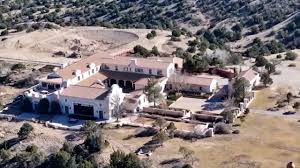
In the vast high desert of New Mexico, the sprawling Zorro Ranch once appeared to young visitors like something out of a dream. For girls from modest backgrounds, the chance to travel there — flights paid for, expenses covered — felt like stepping briefly into a world of wealth and possibility.
They arrived expecting opportunity. Instead, many say they encountered something far more troubling.
The property, a remote estate owned by disgraced financier Jeffrey Epstein, stretched across nearly 10,000 acres of grassland and cliffs about 50 kilometres south of Santa Fe. Visitors remember horse rides across mesas marked with ancient rock carvings, afternoons swimming and watching films, and tours of the enormous mansion that Epstein sometimes called his “castle”.
Join our WhatsApp ChannelFor teenagers worried about money for college or a future career, the experience could feel extraordinary.
“He asked about your dreams,” one woman later recalled in court testimony. “He made you feel important.”
But the atmosphere could quickly change.
Several women who later spoke to investigators say Epstein used the ranch’s isolation and his wealth to manipulate and abuse them. Some were teenagers at the time. They described being pressured into massages that turned sexual, or being assaulted in rooms lined with photographs of Epstein posing alongside powerful figures.
One girl, just 15 during her visit, later said she felt completely trapped. The ranch was remote, surrounded by miles of open land, with no easy way to leave.
“I remember feeling so small and powerless,” she told a court hearing years later.
For some victims, the confusion of those moments lingered long after they returned home. They had been flown across the country, treated like honoured guests — and then confronted with behaviour they did not know how to resist.
One teenage visitor tried to shake off the shock the next day by riding an all-terrain vehicle across the property with another guest. They crashed into a tree. According to her later account, the other girl shrugged it off and told her not to worry.
“No one gets in trouble here,” she remembered being told.
Over time, the young visitors came to believe that Epstein had deliberately targeted them — offering money, mentorship or connections to draw them into his orbit.
Some said they remained silent for years because they feared retaliation or believed no one would believe them.
Eventually, several began speaking to investigators.
Starting in the mid-2000s, women told authorities they had been groomed or abused at the ranch as far back as the 1990s. Some were adults when they visited, but others were teenagers.
One of Epstein’s most outspoken accusers, Virginia Giuffre, later wrote that the ranch looked like an amusement park at first glance — manicured lawns, fountains, even a small airstrip. Yet she said it also became a place where abuse happened behind closed doors.
Family members say she often spoke about living “in two worlds” during her time there — drawn to the beauty of the desert landscape while enduring traumatic experiences inside the estate.
Despite the allegations, questions about what happened at the ranch lingered for years.
Epstein was first investigated for paying underage girls for sex in Florida in 2006. A controversial plea agreement in 2008 allowed him to avoid federal prosecution, and the New Mexico property remained largely outside the spotlight.
READ ALSO:
Epstein files: How New Disclosures Are Shaking Washington
Gates Admits Affairs, Calls Epstein Ties a “Huge Mistake”
King Charles III Breaks Silence After Andrew Mountbatten-Windsor’s Arrest Over Misconduct Allegation
Authorities in the state did not open a formal investigation into the ranch until 2019 — the same year Epstein was arrested on federal sex-trafficking charges in New York. He died in jail weeks later while awaiting trial.
For many victims, his death felt like another lost chance for accountability.
Today, the ranch still stands in the desert, though under new ownership. Residents in nearby communities have placed crosses and flowers near the entrance, turning the roadside into a small memorial.
For them, the property has become a symbol not only of abuse, but of missed opportunities for justice.
“We need to know what happened out there,” said one local resident who joined calls for further investigation.
Years after the first allegations surfaced, the search for answers — and accountability — continues.

Prosper Okoye is a Correspondent and Research Writer at Prime Business Africa, a Nigerian journalist with experience in development reporting, public affairs, and policy-focused storytelling across Africa