 Prosper Okoye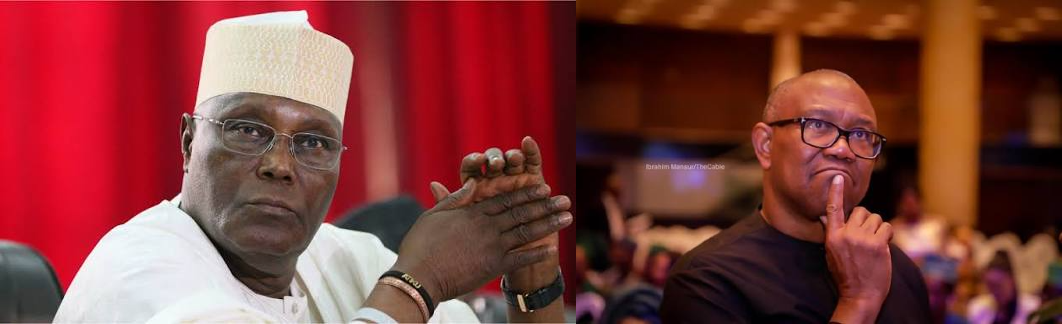
“ADC will bleed after its convention because almost certainly Vice President Atiku Abubakar will get the ticket. When he does, some people will walk out,” warned Hakeem Baba-Ahmed, former spokesperson of the Northern Elders Forum.
On the eve of the African Democratic Congress (ADC) convention ahead of the 2027 presidential election, party watchers and political analysts are raising concerns over potential defections and internal clashes that could shape Nigeria’s opposition landscape.
Atiku Poised for ADC Ticket
Speaking on a televised interview , Baba-Ahmed suggested that Atiku Abubakar’s influence within the party is decisive. “At no point is there any doubt that Atiku will emerge as the party’s candidate. The real question is how other high-profile members will respond,” he said.
Join our WhatsApp ChannelAccording to Baba-Ahmed, the ADC hosts several political heavyweights whose ambitions may conflict once the convention begins, setting the stage for tensions and possible resignations.
“ADC will bleed after its convention because almost certainly Vice President Atiku Abubakar will get the ticket. When he does, some people will walk out,” he repeated, highlighting the fragility of party cohesion in the face of concentrated power.
Peter Obi’s Calculated Move
Former Anambra State governor Peter Obi, who left the Labour Party to join the ADC, faces a different challenge. Umar Ardo, convener of the League of Northern Democrats, said that Obi’s path to the presidential ticket depends on Atiku stepping aside.
“Well, the ADC, as it is currently constituted, if it goes for primaries a hundred times, Atiku will win a hundred times. There is absolutely no doubt about that. How Peter Obi and his supporters react is what will determine the election,” Ardo said.
Despite this, Obi’s political clout remains an asset for the party. Ardo noted that the ex-Anambra governor “controls more than six million votes,” making him a strategic figure in the ADC’s bid to mount a credible challenge against the ruling All Progressives Congress (APC) in 2027.
Navigating Party Dynamics
Baba-Ahmed also offered insights into Obi’s approach, suggesting that his expectation of consensus-driven adoption could clash with the realities of ADC primaries.
“Peter Obi doesn’t participate in convention; he goes there to be anointed,” he said, noting that such expectations may unsettle other aspirants and create tensions within the party.
The ADC convention is now viewed as a critical juncture, not only in determining the party’s presidential candidate but also in testing its internal cohesion. With other notable figures, including former ministers and governors, aligned with the opposition coalition, how ADC balances competing ambitions could define its relevance in the 2027 elections.
The Road Ahead
As Nigeria inches closer to the 2027 presidential election, the ADC finds itself at a crossroads. Will Atiku’s front-runner status solidify unity, or will competing interests trigger defections and internal strife?
Political observers argue that the party’s ability to manage personalities, ambitions, and alliances will ultimately determine whether it emerges as a formidable opposition platform or fractures under pressure.
Datti Asks Obi to Resign From Labour Party After Joining ADC
Atiku, Obi, Amaechi Set for Competitive ADC 2027 Presidential Primaries
Okonkwo Pushes ADC as Political Home for Obi’s Supporters Ahead of 2027
“The coming months will reveal if ADC can turn ambition into cohesion or if internal rivalry will undermine its chances,” Baba-Ahmed concluded.

Prosper Okoye is a Correspondent and Research Writer at Prime Business Africa, a Nigerian journalist with experience in development reporting, public affairs, and policy-focused storytelling across Africa
- Prosper Okoye
- Prosper Okoye
- Prosper Okoye
- Prosper Okoye
- Prosper Okoye
- Prosper Okoye
- Prosper Okoye
- Prosper Okoye
- Prosper Okoye
- Prosper Okoye
- Prosper Okoye
- Prosper Okoye
- Prosper Okoye
- Prosper Okoye
- Prosper Okoye
- Prosper Okoye
- Prosper Okoye
- Prosper Okoye
- Prosper Okoye
- Prosper Okoye
- Prosper Okoye
- Prosper Okoye
- Prosper Okoye
- Prosper Okoye
- Prosper Okoye
- Prosper Okoye
- Prosper Okoye
- Prosper Okoye
- Prosper Okoye
- Prosper Okoye
- Prosper Okoye
- Prosper Okoye
- Prosper Okoye
- Prosper Okoye
- Prosper Okoye
- Prosper Okoye
- Prosper Okoye
- Prosper Okoye
- Prosper Okoye
- Prosper Okoye
- Prosper Okoye
- Prosper Okoye
- Prosper Okoye
- Prosper Okoye
- Prosper Okoye
- Prosper Okoye
- Prosper Okoye
- Prosper Okoye
- Prosper Okoye
- Prosper Okoye
- Prosper Okoye
- Prosper Okoye
- Prosper Okoye
- Prosper Okoye
- Prosper Okoye
- Prosper Okoye
- Prosper Okoye
- Prosper Okoye
- Prosper Okoye
- Prosper Okoye
- Prosper Okoye
- Prosper Okoye
- Prosper Okoye
- Prosper Okoye
- Prosper Okoye
- Prosper Okoye
- Prosper Okoye
- Prosper Okoye
- Prosper Okoye
- Prosper Okoye
- Prosper Okoye
- Prosper Okoye
- Prosper Okoye
- Prosper Okoye
- Prosper Okoye
- Prosper Okoye
- Prosper Okoye
- Prosper Okoye
- Prosper Okoye
- Prosper Okoye
- Prosper Okoye
- Prosper Okoye
- Prosper Okoye
- Prosper Okoye
- Prosper Okoye
- Prosper Okoye
- Prosper Okoye
- Prosper Okoye
- Prosper Okoye
- Prosper Okoye