 Prosper Okoye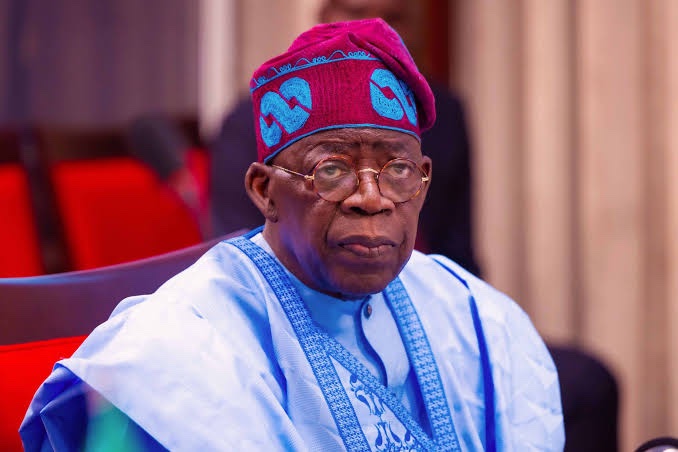
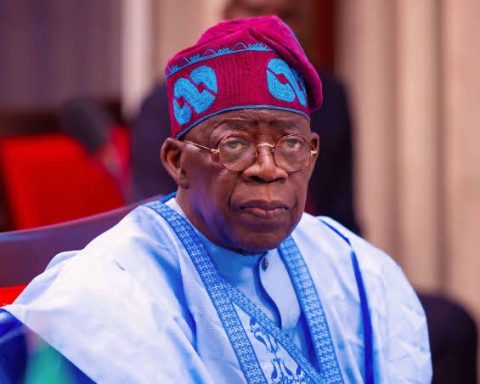
President Bola Tinubu has inaugurated a Presidential Petroleum Reform and Value Optimisation Taskforce to plan the next stage of reforms in Nigeria’s petroleum sector.
Mr Fola Adeola, co-founder of Guaranty Trust Bank and founder of the Fate Foundation, was appointed chairman of the taskforce. Other members include Ademola Adeyemi-Bero, Osagie Okunbor, Abubakar Suleiman, Adaeze Aguele, Farouk Gumel, Phillipa Osakwe-Okoye, and Seyi Bella. Mofoluwasho Fadayomi will serve as secretary.
According to a statement on Friday by the President’s Special Adviser on Information and Strategy, Bayo Onanuga, the taskforce will operate as a time-bound executive body, producing actionable reform plans.
Join our WhatsApp ChannelIt will consult industry operators, regulators, investors, and civil society but function primarily as a technical team focused on policy design and implementation.
The taskforce is expected to deliver three main reform blueprints:
Implementation Toolkit for Immediate Structural Fixes – including draft legislative amendments and proposals for institutional restructuring. Capital & Liquidity Acceleration Blueprint – aimed at unlocking $5–10 billion for the petroleum sector.
National Energy Transformation Strategy – a 10-year plan with targets for production, foreign exchange earnings, and sector contribution to GDP.
Tinubu has directed all relevant ministries, agencies, and existing committees in the sector to provide full support to the taskforce and align their ongoing work with the new framework.
The taskforce will submit monthly progress reports, an interim report after three months, and a final report within six months. It will dissolve automatically once its work is completed.
The statement described the creation of the taskforce as part of the administration’s commitment to making Nigeria’s petroleum sector more competitive, transparent, and capable of driving long-term economic growth.

Prosper Okoye is a Correspondent and Research Writer at Prime Business Africa, a Nigerian journalist with experience in development reporting, public affairs, and policy-focused storytelling across Africa