 Prosper Okoye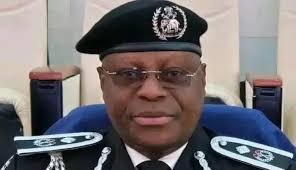
The public image of the Nigeria Police Force has long been a subject of intense debate among Nigerians. From allegations of misconduct to operational challenges, the force has struggled with how it is perceived by the public.
In March 2026, a new chapter began when Deputy Commissioner of Police Anthony Okon Placid was appointed as the spokesperson for the police. He replaced Assistant Commissioner of Police Benjamin Hundeyin following a leadership reshuffle led by the Inspector-General of Police, Kayode Egbetokun.
The appointment comes at a time when the police leadership is attempting to improve communication strategies, including the introduction of a New Media unit designed to better engage the public online. Despite these efforts, the task of managing the police image remains complex.
Join our WhatsApp ChannelHere are six major challenges the new police spokesperson is likely to face.
Rebuilding Public Trust After Years of Controversy
One of the biggest hurdles facing the spokesperson is restoring public trust. Over the years, allegations of police brutality, extortion, and human rights violations have damaged the reputation of the force.
Public frustration reached a peak during the #EndSARS protests, when thousands of Nigerians took to the streets to protest against police misconduct. The protests amplified long-standing complaints about the behaviour of some officers and created deep scepticism toward official police narratives.
For the spokesperson, rebuilding trust means convincing Nigerians that reforms are real and that the police are committed to professionalism and accountability.
Fighting Misinformation in the Digital Age
Social media has transformed how information spreads in Nigeria. While it allows the police to communicate quickly with citizens, it also creates a fertile ground for misinformation.
False reports, leaked investigation details, and manipulated videos can quickly go viral, shaping public opinion before official clarification is issued. This makes the role of the spokesperson even more demanding.
Managing online communication now requires quick responses, fact-checking, and careful engagement with users across platforms.
Limited Resources and Funding Challenges
Public relations campaigns require resources. However, the police often face funding constraints that limit communication activities.
Shortages of operational vehicles, modern communication tools, and digital monitoring systems can affect how quickly the spokesperson’s office responds to crises. These limitations can also restrict nationwide awareness campaigns aimed at improving public perception.
Without adequate resources, even well-planned communication strategies may struggle to achieve results.
Shortage of Professional Communication Experts
Another challenge is the limited number of trained public relations professionals within the police system.
Although some officers receive media training, the force still lacks a strong network of communication specialists who can coordinate media relations, digital communication, and community engagement across Nigeria.
Given the country’s large population and security challenges, managing the police image nationwide requires a coordinated and professional approach that goes beyond a single spokesperson.
Internal Structural and Operational Obstacles
Public relations efforts often depend on internal cooperation within the organisation. In the police force, bureaucratic processes and operational complexities can slow down communication responses.
Poor coordination between departments, delays in releasing verified information, and unresolved internal misconduct cases can undermine the credibility of official statements.
For the spokesperson, improving the police image may also require advocating for internal reforms that align operational conduct with public expectations.
READ ALSO:
6 Key Details Police Have Revealed About the Lagos Monarch’s Son’s Death
Police Dismiss Sowore’s Allegations of Weak Leadership Against New IGP Disu
Bail Drama at Wuse Court as Sowore, Police Clash Over Businesswoman’s Arraignment in Umahi Dispute
Encouraging Community Engagement
Effective policing depends on cooperation between citizens and law enforcement agencies. However, in many parts of Nigeria, distrust of the police has reduced citizens’ willingness to share information or participate in community safety initiatives.
Encouraging dialogue between the police and the public will therefore be a key responsibility for the spokesperson. This includes promoting accessible feedback channels, improving media awareness campaigns, and demonstrating a genuine commitment to accountability.
A Difficult but Crucial Role
Managing the public image of the police in a country as large and complex as Nigeria is no easy task. The new spokesperson must navigate public scepticism, digital misinformation, limited resources, and internal institutional challenges.
If handled effectively, however, the role could help reshape how Nigerians perceive the police and strengthen the relationship between the force and the communities it is meant to protect.

Prosper Okoye is a Correspondent and Research Writer at Prime Business Africa, a Nigerian journalist with experience in development reporting, public affairs, and policy-focused storytelling across Africa
- Prosper Okoye