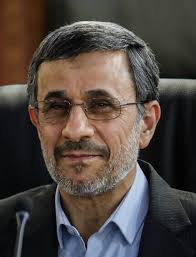
Former Iranian President Mahmoud Ahmadinejad, 69, was killed along with his bodyguard in an airstrike on his Tehran residence, state media reported, as Iran faces a wave of U.S. and Israeli military strikes targeting its leadership.
The attack comes amid an unprecedented escalation in the Gulf, where Iran has launched missile and drone strikes across the region in retaliation for earlier U.S.-Israeli operations. The strikes have killed civilians and wounded dozens in multiple countries.
In the United Arab Emirates, three foreign nationals — from Pakistan, Nepal, and Bangladesh — were killed and 58 others injured, according to Abu Dhabi authorities. Kuwait reported one death and more than 30 injuries, while Oman and Qatar also recorded injuries from drone and missile strikes targeting ports, airports, and other infrastructure.
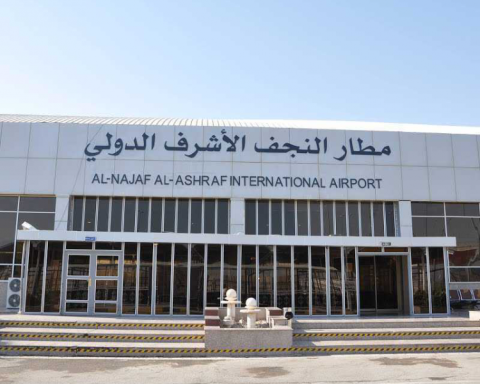
Join our WhatsApp ChannelThe attacks have hit hotels, residential buildings, seaports, and airports, including Dubai International Airport, Abu Dhabi Airport, and Kuwait International Airport. U.S. military bases in the Gulf, including the Fifth Fleet headquarters in Bahrain, have also been targeted, raising fears of a broader regional conflict.
READ ALSO:
Iran Strikes Kill Three in UAE Amid Gulf Attacks
Kamala Harris Slams Trump’s Iran Strikes, Calls for Congressional Action
Ahmadinejad, who served as Iran’s president from 2005 to 2013, was initially supported by hardliners and the ruling Shiite clergy but became increasingly controversial due to his nuclear policies, which led to international sanctions and economic hardship in Iran. Known for his vocal criticism of Israel, he was a polarising figure in both domestic and international politics.
Security analysts warn that Iran’s ongoing strikes and the targeting of senior political figures could further destabilise the region, with Gulf countries now on high alert as diplomatic efforts struggle to contain the conflict.

Prosper Okoye is a Correspondent and Research Writer at Prime Business Africa, a Nigerian journalist with experience in development reporting, public affairs, and policy-focused storytelling across Africa