 Prosper Okoye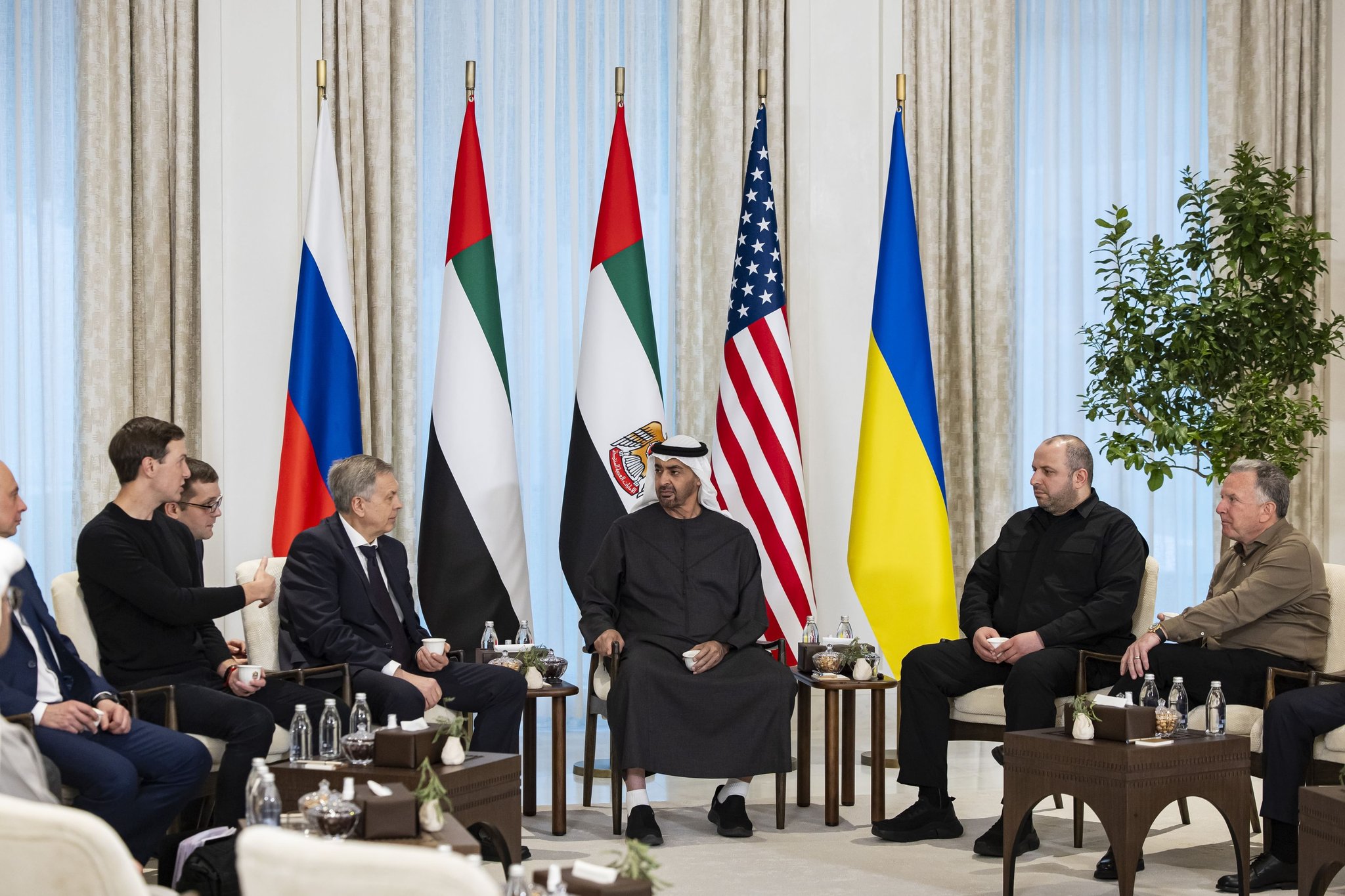
The first trilateral peace talks between Russia, Ukraine, and the United States concluded on Saturday without any major breakthrough, as Russian attacks on Ukrainian cities continued, leaving civilians dead and injured and casting doubt on near-term diplomatic progress.
The two-day meeting in the UAE capital ended amid overnight Russian strikes that killed at least one person and injured 35 others, according to Ukrainian officials.
Ukraine’s Foreign Minister, Andrii Sybiha, described the attacks as “brutal” and “cynically” ordered by President Vladimir Putin, saying they targeted not only civilians but also the peace process itself.
Join our WhatsApp ChannelUkrainian President Volodymyr Zelensky acknowledged that discussions during the talks were “constructive” and covered a broad range of issues aimed at ending the war. Writing on X, he suggested that a follow-up meeting could take place as early as next week, adding that all sides had agreed to report back to their leaders and coordinate next steps.
The Abu Dhabi talks marked the first direct three-way engagement between Moscow, Kyiv, and Washington since Russia’s full-scale invasion of Ukraine in 2022.
Zelensky said the central focus was on potential parameters for ending the conflict, including American monitoring and oversight to guarantee security.
While Russian state media reported that Moscow remains open to dialogue, continued bombardment raised doubts over its commitment to diplomacy.
Sybiha said the attacks showed that Putin “belongs not at the table of peace, but at the dock of a special tribunal.”
In Kyiv, the overnight strikes killed one person and wounded four, damaging critical infrastructure and leaving around 6,000 buildings without heating as temperatures fell to -12C. In Kharkiv, Mayor Ihor Terekhov reported 31 injuries, with a maternity hospital and a shelter for displaced people among the damaged structures.
Zelensky said Russia was primarily targeting Ukraine’s energy infrastructure, following similar attacks last week that disrupted power in the capital and forced him to delay travel to the World Economic Forum in Davos.
Russia currently occupies around 20% of Ukrainian territory, including parts of the Donbas region and Crimea, which it illegally annexed in 2014. The Kremlin has demanded territorial concessions as part of any settlement, a position that Ukraine has firmly rejected.
Speaking in Davos, Zelensky said that land remains the core unresolved issue but added that he had reached an understanding with US President Donald Trump on future American security guarantees for Ukraine. Any formal agreement, he said, would require approval from both the US Congress and Ukraine’s parliament.
Ahead of the Abu Dhabi talks, US special envoy Steve Witkoff and Trump’s son-in-law Jared Kushner met President Putin in Moscow. While the Kremlin reaffirmed its commitment to a political settlement, it emphasised that a lasting deal would require resolving territorial claims, a condition Ukraine continues to oppose.
Russian Mercenaries Allegedly Fuel CAR’s Energy Crisis, Enrich Armed Networks
Zelensky Eyes Mar-a-Lago Talks as Ukraine Unveils Ambitious 20-Point Peace Plan
Ceasefire Possible In Russia-Ukraine Conflict After Peace Talks In Saudi Arabia
As the war enters its fourth year, the lack of progress at the Abu Dhabi talks underscores the fragility of diplomacy and the continued toll on civilians. With winter temperatures plunging and infrastructure repeatedly targeted, Ukrainians face escalating hardship even as world leaders strive to negotiate a path to peace.

Prosper Okoye is a Correspondent and Research Writer at Prime Business Africa, a Nigerian journalist with experience in development reporting, public affairs, and policy-focused storytelling across Africa