 Prosper Okoye
Nigeria’s economy is showing signs of recovery as of March 2026, following reforms introduced in 2023. Q4 2025 GDP growth hit 4.07%, while inflation has eased for ten consecutive months, reaching 15.1% in January 2026.
Investors are keeping a close eye on macroeconomic indicators, market trends, and policy moves, especially amid global uncertainties like oil price swings caused by the US–Israel–Iran conflict. Analysts project GDP growth above 4% for 2026, average inflation around 12.94%, and potential market gains fueled by banking recapitalization and foreign capital inflows. Yet, challenges such as pre-election spending, insecurity, and structural vulnerabilities remain. Here are nine critical economic signals currently shaping investor decisions.
1. Inflation Trends
Inflation has eased to 15.1% in January 2026, down from higher levels in 2025, with the Central Bank of Nigeria (CBN) aiming for below 13% this year. Investors are watching for sustained declines, which could boost consumer spending and real returns. However, rising fuel prices, now at N975 per litre, may put upward pressure on costs.
Join our WhatsApp Channel2. Exchange Rate Stability
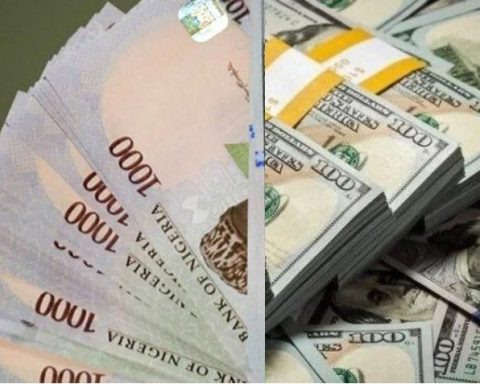
The Naira has stabilised following early 2026 depreciation. The Bureau de Change (BDC) rate remains at N1,385 per dollar, supported by improved FX liquidity and CBN net buying. This stability reassures investors, though pre-election dynamics and global commodity volatility still pose risks.
3. Interest Rates and Monetary Policy
The CBN cut the Monetary Policy Rate (MPR) by 50 basis points to 26.50% in early 2026, signalling a shift toward growth support after earlier tightening. Falling yields are attracting fixed-income investors, though faster rate cuts could reduce the appeal of Naira-denominated assets.
4. Stock Market Performance
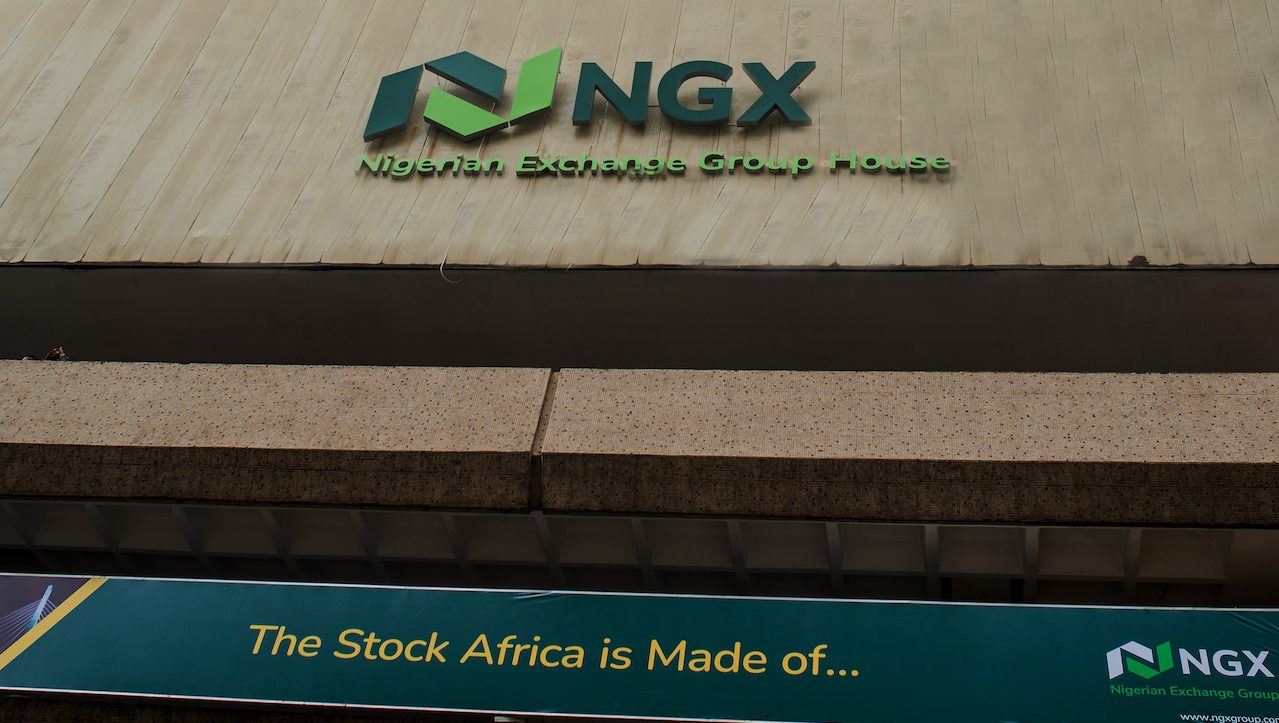
The Nigerian Exchange (NGX) All-Share Index has climbed 24% year-to-date to 196,968 points, with market capitalization exceeding N126.44 trillion. Gains are led by the oil & gas and banking sectors. Investors are watching projected 40% growth for 2026 and the potential FTSE Russell frontier market reclassification, which could boost foreign inflows.
5. Foreign Reserves and Capital Inflows
Nigeria’s foreign reserves jumped to over $51 billion by February 2026, up from a net ~$3 billion, while capital imports reached $6.01 billion in Q3 2025—the highest in six years. This signals restored investor confidence, though sustainability is key amid external financing risks and index-driven portfolio flows.
6. GDP Growth Projections
Real GDP growth accelerated to 4.07% in Q4 2025, with forecasts for 2026 above 4%, supported by sector recoveries and macroeconomic resets. Investors are monitoring fiscal and credit system alignment for broader growth, even as geopolitical tensions could disrupt momentum.
7. Oil Prices and Production
Oil remains central to Nigeria’s economy. Investors track global price swings and production targets, especially with ongoing conflicts affecting markets. Resolutions on assets like OPL 245 could also improve debt sustainability.
8. Public Debt Levels
Public debt stood at N153.3 trillion in Q3 2025, up 7.7% year-on-year, but moderated by FX stability. Corporate deleveraging, such as Dangote Cement halving its debt to N1.16 trillion, signals healthier balance sheets and stronger fiscal management.
READ ALSO:
Tinubu Announces Resolution of OPL 245 Dispute, Paves Way for Deepwater Oil Investment
Ecobank Suffers N10.97bn Investment Loss
Wema Bank Survives 60% Decline in Securities Investment As Topline Outpaces Expenses
9. Fiscal Revenues and Tax Reforms
VAT collections have hit N2.28 trillion, reflecting improved compliance. Investors are watching how tax reforms under the new act will affect revenues and disposable incomes. Pre-election spending could drive costs up, but stronger collections point to ongoing fiscal consolidation.

Prosper Okoye is a Correspondent and Research Writer at Prime Business Africa, a Nigerian journalist with experience in development reporting, public affairs, and policy-focused storytelling across Africa
- Prosper Okoye
- Prosper Okoye
- Prosper Okoye
- Prosper Okoye
- Prosper Okoye
- Prosper Okoye
- Prosper Okoye
- Prosper Okoye
- Prosper Okoye
- Prosper Okoye
- Prosper Okoye
- Prosper Okoye
- Prosper Okoye
- Prosper Okoye
- Prosper Okoye
- Prosper Okoye
- Prosper Okoye
- Prosper Okoye
- Prosper Okoye
- Prosper Okoye
- Prosper Okoye
- Prosper Okoye
- Prosper Okoye
- Prosper Okoye
- Prosper Okoye
- Prosper Okoye
- Prosper Okoye
- Prosper Okoye
- Prosper Okoye
- Prosper Okoye
- Prosper Okoye
- Prosper Okoye
- Prosper Okoye
- Prosper Okoye
- Prosper Okoye
- Prosper Okoye
- Prosper Okoye
- Prosper Okoye
- Prosper Okoye
- Prosper Okoye
- Prosper Okoye
- Prosper Okoye
- Prosper Okoye
- Prosper Okoye
- Prosper Okoye
- Prosper Okoye
- Prosper Okoye
- Prosper Okoye
- Prosper Okoye
- Prosper Okoye
- Prosper Okoye
- Prosper Okoye
- Prosper Okoye
- Prosper Okoye
- Prosper Okoye
- Prosper Okoye
- Prosper Okoye
- Prosper Okoye
- Prosper Okoye
- Prosper Okoye
- Prosper Okoye
- Prosper Okoye
- Prosper Okoye
- Prosper Okoye
- Prosper Okoye
- Prosper Okoye
- Prosper Okoye
- Prosper Okoye
- Prosper Okoye
- Prosper Okoye
- Prosper Okoye
- Prosper Okoye
- Prosper Okoye
- Prosper Okoye
- Prosper Okoye
- Prosper Okoye
- Prosper Okoye
- Prosper Okoye
- Prosper Okoye
- Prosper Okoye
- Prosper Okoye
- Prosper Okoye
- Prosper Okoye
- Prosper Okoye
- Prosper Okoye
- Prosper Okoye
- Prosper Okoye
- Prosper Okoye
- Prosper Okoye
- Prosper Okoye
- Prosper Okoye
- Prosper Okoye